The Advisory Council on Historic Preservation has voted to advance proposed changes to the rules governing Section 106 of the National Historic Preservation Act, prompting criticism that the revisions could reduce federal consideration of archaeological and culturally significant places.
The proposed regulations are under review by the White House Office of Management and Budget’s Office of Information and Regulatory Affairs. Live Science reported on the proposal in an opinion article by Joe Watkins, a member of the Choctaw Nation of Oklahoma and a senior consultant with Archaeological and Cultural Education Consultants.
Section 106 currently requires federal agencies to assess how their actions, as well as projects they license or permit, could affect historic, archaeological and cultural properties listed in or eligible for the National Register of Historic Places. Agencies must also attempt, where possible, to minimize harmful effects. The existing framework includes consultation with Tribal Nations, State Historic Preservation Officers, Tribal Historic Preservation Officers and other parties.
Watkins argues that the proposed rules would give federal agencies greater discretion over public participation and could allow projects affecting Tribal sacred places to proceed without consultation with Tribal Nations. Under the proposal, an agency official would prepare a report identifying historic properties and assessing impacts, then review comments from consulting parties before making the final decision. Watkins says this would shift the process away from seeking agreement toward an agency-led determination.
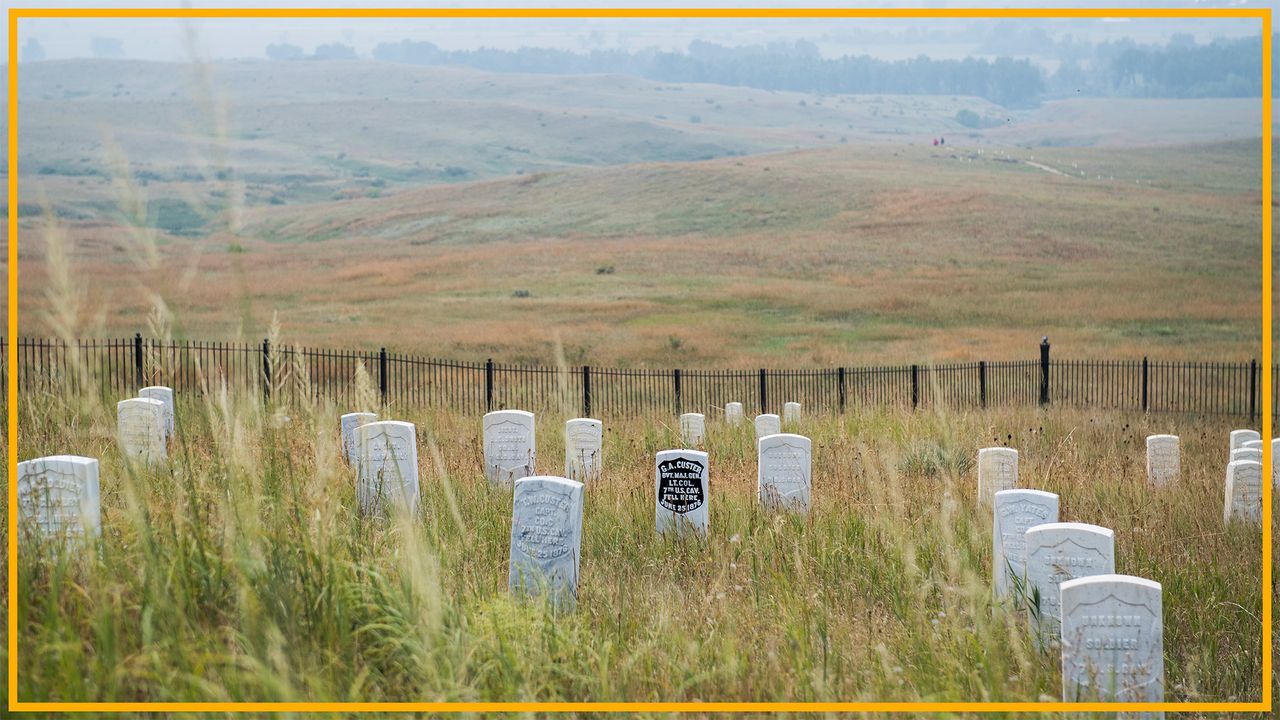
The proposal would also narrow the definition of a historic property, according to the article. Places would need to include, or have included, tangible human improvements such as built structures and would also need to be geographically compact. Watkins says that standard could exclude battlefields such as Gettysburg and Little Bighorn, cultural landscapes including Devil’s Tower and the Black Hills, and archaeological resources such as petroglyphs at Chaco Canyon. He further argues that many traditional cultural places and Indigenous sacred sites would no longer receive meaningful consideration.
The proposed rules would redefine “reasonable mitigation” around measures that are technically and economically feasible. They would also remove indirect, cumulative, visual, atmospheric and audible effects from the definition of an adverse effect, Watkins writes. As an example, he says a casino or amusement park near Mount Vernon could potentially be approved if economic considerations outweighed preservation concerns.
Supporters of the revisions argue that the current process can delay projects and increase development costs. They say narrower definitions and additional exemptions could make reviews faster and more predictable. Watkins disputes that assessment and calls for the proposal to be stopped. The source notes that the administration could use a process that bypasses public comment, although that outcome was not established in the reporting.