

Archaeology.Today
Field Report

Ancient DNA Tracks Population Replacement at French Megalithic Tomb

DNA from 132 people buried at a megalithic tomb near Bury, north of Paris, indicates a sharp population break around 3000 BC. Researchers found evidence of disease and severe mortality, but say the collapse likely resulted from several interacting pressures rather than plague alone.

September 8, 2026
1 Source
Ancient DNA Tracks Population Replacement at French Megalithic Tomb
The Story

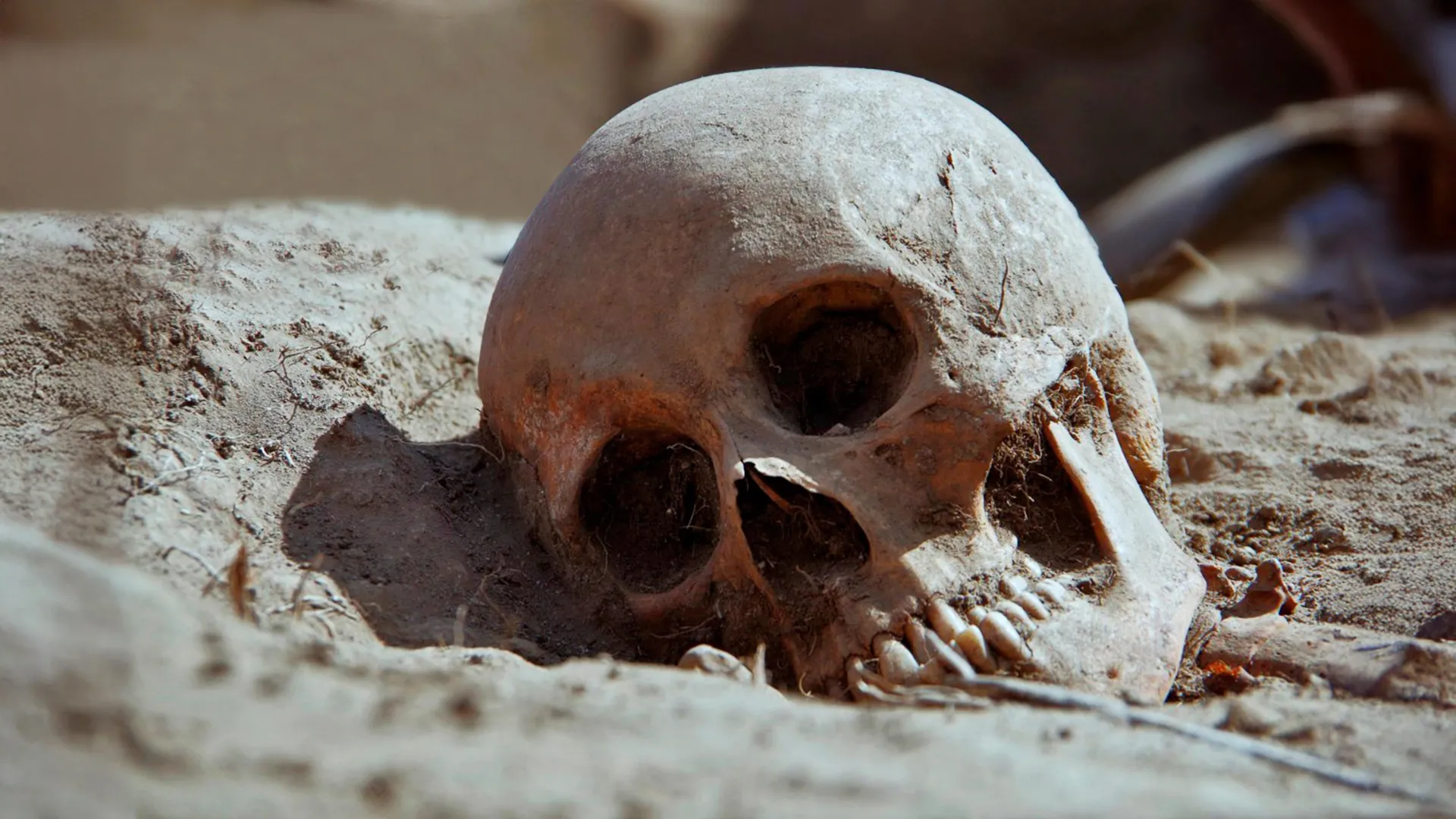
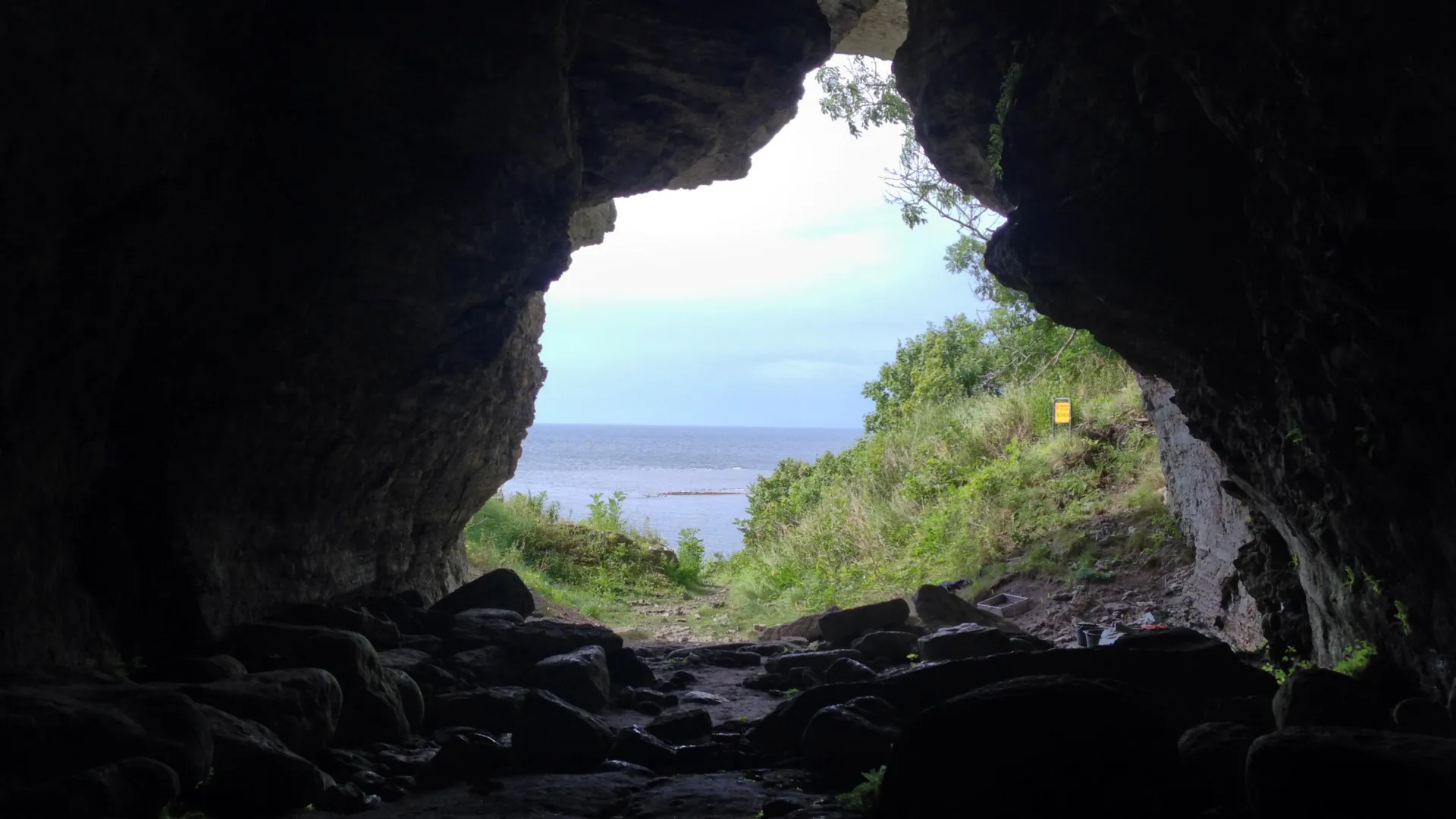
A genetic study of 132 people buried in a megalithic tomb near Bury, about 50 kilometers north of Paris, has identified a major population break during the Stone Age. The tomb was used in two periods separated by a substantial demographic decline around 3000 BC, according to research reported by the University of Copenhagen.

People buried before and after the decline were not closely related. Earlier individuals had genetic connections to Stone Age farming populations in northern France and Germany, while those buried later showed stronger links to southern France and the Iberian Peninsula. The pattern suggests that the original population largely disappeared before newcomers moved into the region from the south.

Researchers examined genetic material preserved in ancient bones for evidence of pathogens. They detected Yersinia pestis, the bacterium associated with plague, as well as Borrelia recurrentis, which causes louse-borne relapsing fever. However, the study’s authors said the presence of plague does not establish it as the sole cause of the collapse. They proposed that disease may have combined with environmental stress and other disruptive events.

The skeletal evidence also points to an intense crisis during the earlier phase of burial. Archaeologists identified unusually high mortality, particularly among children and young people. Laure Salanova of France’s National Centre for Scientific Research described the demographic pattern as a strong indication of crisis.

The genetic shift was accompanied by changes in burial practices and social organization. During the earlier period, the tomb held several generations from the same extended families, suggesting that relatives were buried there over time. Later burials were more selective and were dominated by a single male lineage, indicating a different structure within the community.

The findings, published in Nature Ecology & Evolution, add to evidence that a Neolithic population decline affected broad areas of northern and western Europe. The researchers also said the timing may help explain the end of megalithic tomb construction and other large stone monuments: the disappearance of the communities that built them appears to have coincided with the decline of those traditions.
Reference Desk

Sources & Further Reading

Continue Exploring

Related Archaeology

More stories
Ancient DNA Links Plague to Deaths 5,500 Years Ago in Siberia
01
Bioarchaeology
Score 165

Ancient DNA Links Plague to Deaths 5,500 Years Ago in Siberia

Ancient DNA from hunter-gatherer cemeteries near Lake Baikal has revealed Yersinia pestis in 18 of 46 individuals studied. Researchers say the evidence, combined with radiocarbon dating and burial patterns, indicates that early plague strains could be highly lethal before the emergence of cities and flea-borne transmission.

Read story
Wolves on Swedish Island Point to Prehistoric Human Management
02
Discoveries
Score 75

Wolves on Swedish Island Point to Prehistoric Human Management

Wolf remains from Stora Karlsö, a small Baltic island with no native land mammals, date to roughly 3,000–5,000 years ago. Genetic, dietary and skeletal evidence suggests people transported the animals by boat and may have fed or cared for them without fully domesticating them.

Read story
Excavation in Tonnerre Reveals 1,500 Years of Hilltop Settlement
03
Excavations
Score 65

Excavation in Tonnerre Reveals 1,500 Years of Hilltop Settlement

An Inrap excavation on Montbellant hill in northern France has uncovered medieval buildings, Roman-period remains and evidence of a first-century BC Gallic oppidum. The layered site, investigated ahead of house construction, is helping archaeologists trace the development of Tonnerre’s upper town.

Read story
Two Foals Buried Beside a Bronze Age Mound in Germany
04
Archaeological Science
Score 40

Two Foals Buried Beside a Bronze Age Mound in Germany

Excavations at Nauendorf in Saxony-Anhalt have uncovered two foal burials associated with a Late Bronze Age burial monument. Radiocarbon dates place both animals between roughly 1212 and 1052 BC, offering rare evidence of young horses being deliberately buried in a funerary context.

Read story
Excavations Recast the Date of Galich’s Lost Lower Fortress
05
Archaeological Science
Score 40

Excavations Recast the Date of Galich’s Lost Lower Fortress

LiDAR mapping and 2026 excavations at Galich’s Lower Settlement found defensive earthworks and artifacts mainly dating to the 14th and 15th centuries. The evidence challenges its traditional identification as a 12th-century fortress and points instead to construction around the mid-15th century, possibly amid a dynastic conflict.

Read story
Bronze-Casting Mould and Weapons Found at Tatarstan Pyanobor Site
06
Excavations
Score 20

Bronze-Casting Mould and Weapons Found at Tatarstan Pyanobor Site

Excavations at the Kipchak Archaeological Complex in Russia’s Tatarstan have yielded a bronze-casting mould, bronze and iron arrowheads, a spearhead, jewellery and decorated pottery. Kazan Federal University archaeologists say the finds may help investigate the debated origins of the Pyanobor culture.

Read story