
An essay by Paul F. Reed, New Mexico director and preservation archaeologist for Archaeology Southwest, has warned of what he describes as a broad federal assault on archaeology, historic preservation, Tribal sovereignty and cultural-resource management.
Published August 17 after Reed presented the material at the 2026 Pecos Conference near Mancos, Colorado, the essay reflects his personal views rather than an official policy statement from Archaeology Southwest. Reed said he believes archaeologists and preservation professionals must confront political decisions affecting the sites and landscapes they work to protect, while also acknowledging the difficult position of federal employees working under the current administration.
The concerns he lists include the reported reduction of Bears Ears and Grand Staircase-Escalante national monuments by more than 90 percent, the dismantling of the Bears Ears Commission and the removal of the five Tribes’ seals from the Bears Ears monument sign in July 2026. He also cites the proposed revocation of the 10-mile cultural protection zone around Chaco Culture National Historical Park. According to Reed, approximately 220,000 comments were submitted during a 14-day Environmental Assessment period, with most apparently opposing the proposed change. He wrote that a decision was expected within days or weeks.
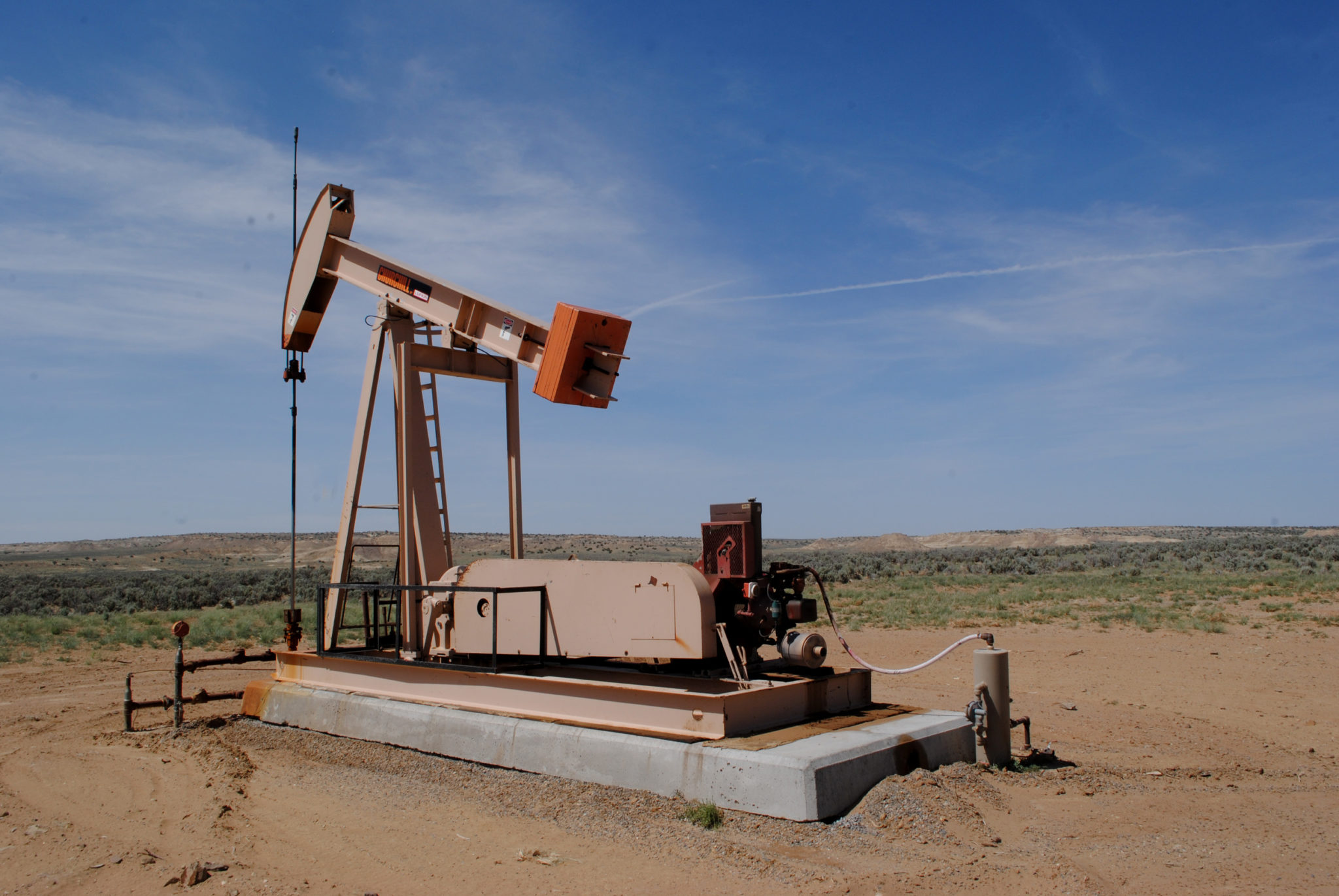
Other examples in the essay include the proposed opening of Oak Flat to mining despite opposition from Apache groups, destruction of an intaglio near the Arizona–Sonora border, border-wall construction in Big Bend National Park, and possible mining in the Boundary Waters Canoe Area Wilderness. Reed also points to oil and gas development in the Arctic National Wildlife Refuge, changes to wetlands designations, and the rescinding of the Forest Service’s Roadless Rule as threats to natural and cultural resources.
The essay additionally raises concerns about reduced Tribal input, shorter public-comment periods, changes to Section 106 regulations of the National Historic Preservation Act, cuts and hiring freezes affecting federal cultural-resource positions, and proposed reorganizations involving the Bureau of Indian Affairs and Forest Service. Reed says attacks on the Smithsonian and the closure of the National Archives facility in Chicago could also affect historical interpretation and access to Bureau of Indian Affairs records, including boarding-school data.
Reed argues that archaeology in the Southwest should continue moving toward greater emphasis on Native views, concerns and priorities. Despite his assessment of the current situation, he says supporters of Tribal sovereignty and ancestral-site protection can respond through public comments, letters, calls to elected representatives, petitions, protests and voting.