
Archaeology.Today
Field Report

Ancient Sardis Added to UNESCO World Heritage List After Decades of Excavation

Sardis, an ancient city in western Turkey excavated continuously since 1958, has been added to the UNESCO World Heritage List. Researchers say the designation recognizes decades of archaeological work while highlighting the need to protect the site from erosion, farming damage and looting.

September 8, 2026
1 Source
Sardis
Ancient Sardis Added to UNESCO World Heritage List After Decades of Excavation
The Story

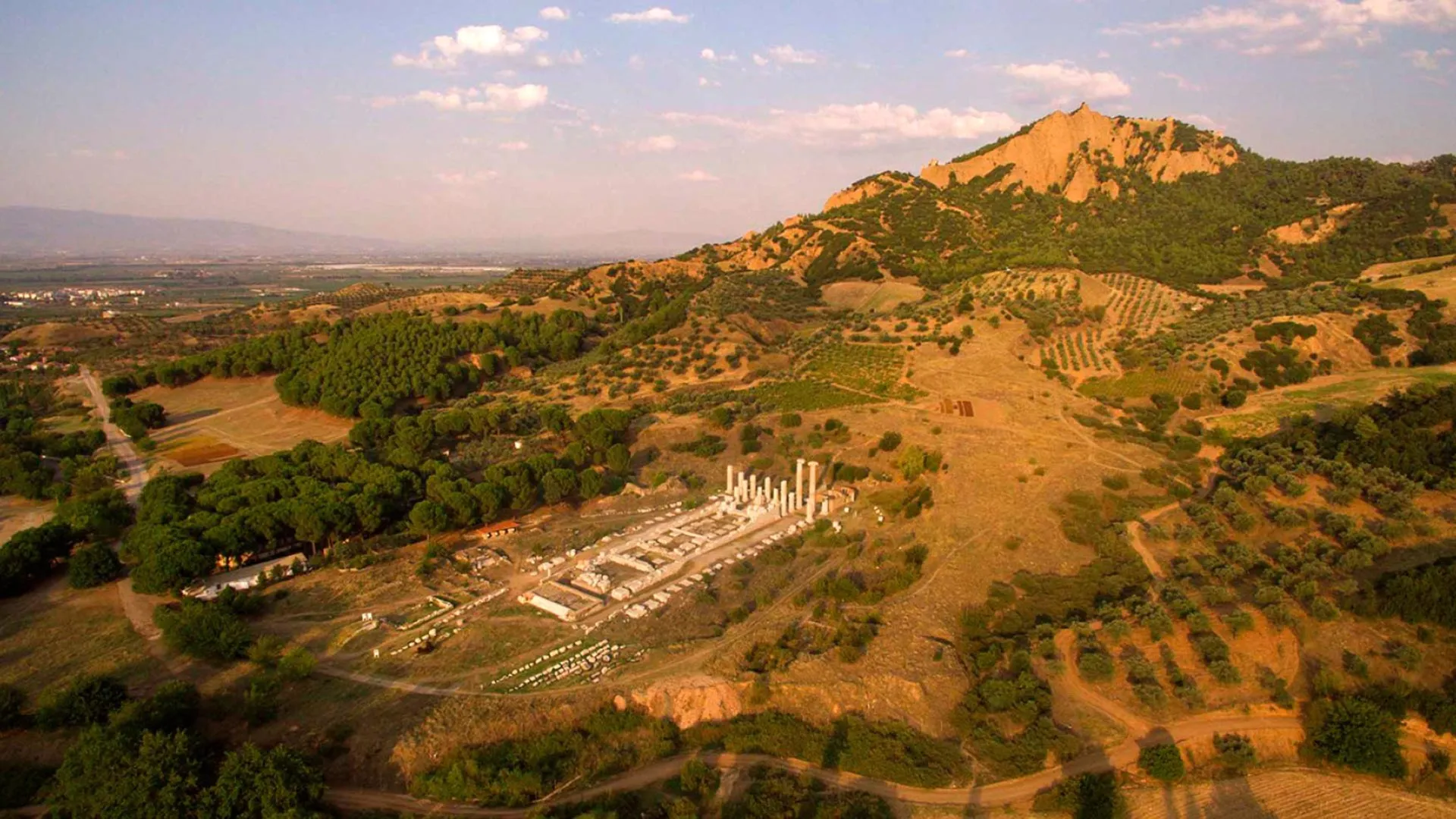
The ancient city of Sardis in western Turkey has been added to the UNESCO World Heritage List after nearly seven decades of excavation and research. Archaeologists have worked at the site every year since 1958 through the Harvard Cornell Exploration of Ancient Sardis, making it one of the longest-running institutional excavation projects of its kind.

The UNESCO recognition follows decades of discoveries across a settlement whose history extends from the Bronze Age, in the third millennium BCE, to the present day. Sardis was once the capital of the Iron Age kingdom of Lydia and later became part of territories controlled by Alexander the Great, the Roman Empire, the Byzantine Empire and the Ottoman Empire.

Because the site was not covered by a modern city, archaeological remains from different periods survive across the landscape. Researchers have uncovered the Temple of Artemis, the acropolis, mud-brick city walls, a Persian-period garbage pit, a gold-refining workshop, an ancient shopping district and a sanctuary plaza that took 15 years to excavate. Work in the 1950s and 1960s also led to the reconstruction of a monumental bath-gymnasium complex and what the source describes as the largest synagogue in the ancient world.

Benjamin Anderson, an associate professor at Cornell University, said the project’s institutional continuity has allowed evidence from different excavation seasons and generations of researchers to be studied together. He has focused in recent years on documenting the walls and buildings of the acropolis, which became an important center during the Byzantine period after Roman rule.

Annetta Alexandridis, an associate professor at Cornell, is studying Roman funerary culture and leading a survey of Sardis’ cemeteries. Many have received less attention than Bin Tepe, a cemetery about 10 kilometers north of the city containing some of the largest recorded burial mounds.

The site also carries a complicated modern archaeological history. Early-20th-century excavations uncovered major remains, but some artifacts were damaged, disappeared or taken to the United States through questionable means. Some objects were later returned to Turkey, placing Sardis within broader debates over restitution, stewardship and responsibility for cultural heritage.

Researchers say UNESCO recognition could bring greater funding, tourism, research and protection. Sardis remains vulnerable to erosion, farming damage and looting, including the use of explosives and bulldozers against burial mounds. Archaeologists emphasize that the city’s history is still emerging as evidence accumulated over decades continues to be examined.

Reference Desk

Sources & Further Reading

Continue Exploring

Related Archaeology

More stories
Excavation in Tonnerre Reveals 1,500 Years of Hilltop Settlement
01
Excavations
Score 130

Excavation in Tonnerre Reveals 1,500 Years of Hilltop Settlement

An Inrap excavation on Montbellant hill in northern France has uncovered medieval buildings, Roman-period remains and evidence of a first-century BC Gallic oppidum. The layered site, investigated ahead of house construction, is helping archaeologists trace the development of Tonnerre’s upper town.

Read story
Excavations Trace Centuries of Change Along Side’s 390-Metre Street
02
Excavations
Score 120

Excavations Trace Centuries of Change Along Side’s 390-Metre Street

Archaeologists have completed work on Street B, a nearly 390-metre-long thoroughfare in the ancient city of Side in southern Turkey. The excavation documented a second-century AD colonnade, three monumental entrances and a fifth-century transformation linked to the city’s Bishop’s Palace complex.

Read story
6,500-Year-Old Czech Enclosure May Have Marked Solar and Lunar Cycles
03
Discoveries
Score 110

6,500-Year-Old Czech Enclosure May Have Marked Solar and Lunar Cycles

Archaeologists studying a 230-meter prehistoric enclosure near Chleby say its 12 entrances may have created sightlines to important positions of the Sun and Moon. The monument, dated through organic material, appears to predate major Stonehenge construction phases by more than 1,000 years.

Read story
Roman Villa with Mosaics and Pet Names Found at Adramytteion
04
Ancient Civilizations
Score 100

Roman Villa with Mosaics and Pet Names Found at Adramytteion

Excavations at the ancient city of Adramytteion in western Turkey have revealed a Roman residential complex with decorated halls, drainage infrastructure and mosaics depicting birds, fish, a winged horse, Medusa figures, pygmies, a cat and a dog. The residence appears to have been in use during the second century AD.

Read story
2nd-Century Shield Boss With Cremated Remains Found in Polish Scrap Yard
05
Discoveries
Score 55

2nd-Century Shield Boss With Cremated Remains Found in Polish Scrap Yard

A corroded iron shield boss recovered from a scrap yard in Hrubieszów, eastern Poland, has been dated to around the 2nd century AD. Museum specialists found cremated human bones inside it, suggesting the object came from a destroyed Przeworsk culture warrior burial, although the individual’s sex cannot be established.

Read story
Archaeologists Begin New Survey of the 1410 Grunwald Battlefield
06
Discoveries
Score 55

Archaeologists Begin New Survey of the 1410 Grunwald Battlefield

About 40 archaeologists, metal detectorists and museum specialists are surveying previously unexamined areas of Poland’s Grunwald battlefield. The work aims to refine the map of fighting between Polish-Lithuanian forces and the Teutonic Order, building on systematic research conducted since 2014.

Read story