
Archaeology.Today
Field Report

Blaise Castle Estate Investigation Identifies 18th-Century Garden Building

A survey of a ruined oval structure at Bristol’s Blaise Castle Estate has revealed a finely built garden building with a summer-house-like room and a later privy containing two water closets. Researchers believe its use changed over at least 150 years.

September 8, 2026
1 Source
Blaise Castle Estate
Blaise Castle Estate Investigation Identifies 18th-Century Garden Building
The Story

Vegetation clearance and archaeological recording at Bristol’s Blaise Castle Estate have clarified the layout and possible uses of a previously undocumented oval garden building. Wessex Archaeology worked with the Friends of Blaise and Bristol City Council Parks Service to investigate the overgrown ruin and create a detailed record of its remains.

The structure is built from Carboniferous Limestone rubble and brick, with finely worked Bath Stone door jambs. It contained two spaces: a larger circular room and a smaller semi-circular room. Fragments of decorative Bath Stone window surrounds and cornice blocks indicate that the building was originally an elaborate feature rather than a purely utilitarian structure.

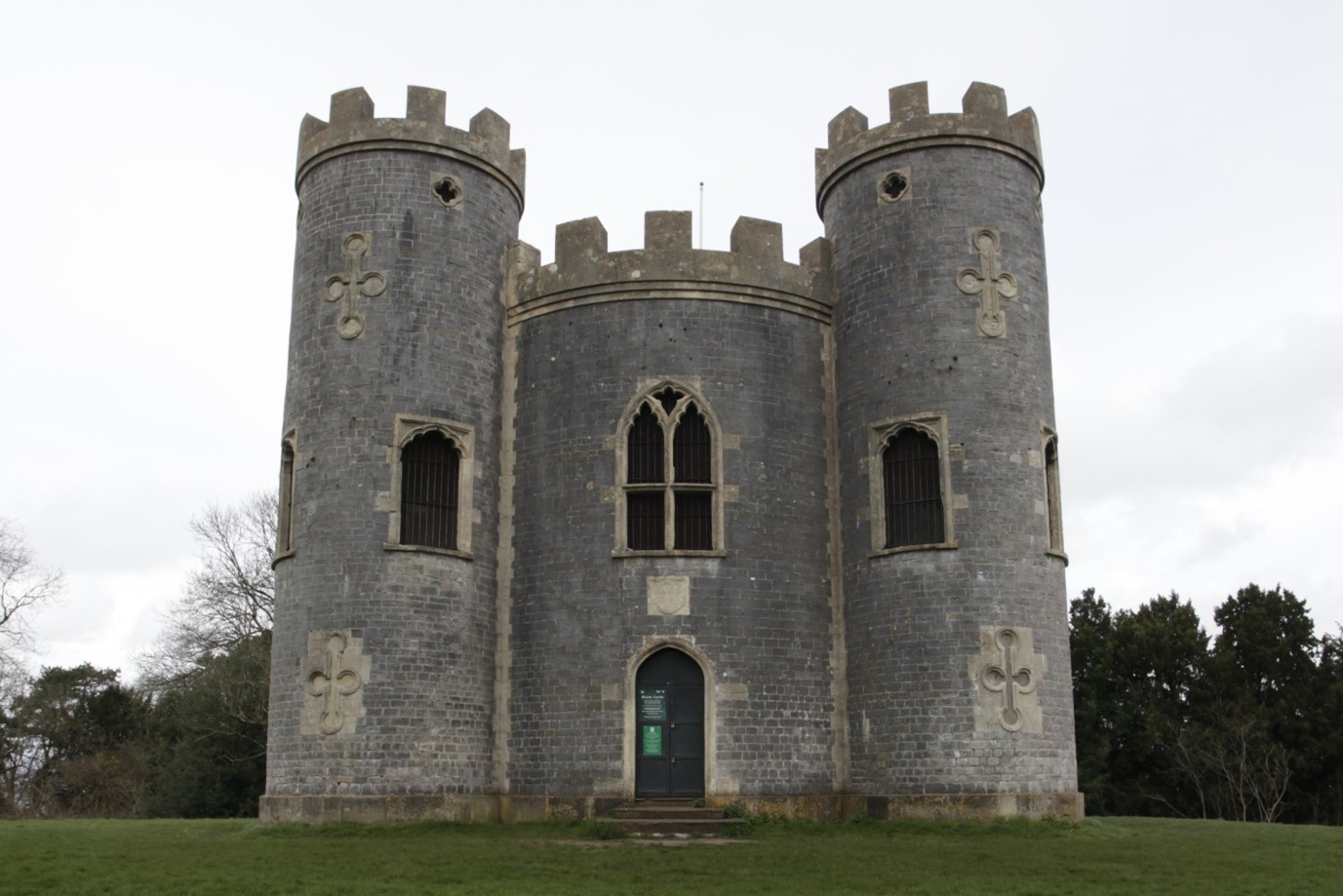
Its design appears to date from the 18th century. Some of the Bath Stone details resemble those of Blaise Castle, the crenelated folly designed by Robert Mylne and built between 1766 and 1768. However, the oval building does not appear on the maps or estate documents described in the investigation, leaving its original construction date uncertain.

The smaller room provided the clearest evidence of a later function. It contained an underground cesspit that was subsequently fitted with two stoneware water closets, originally housed within a wooden box seat. The toilets were “servant’s” or “cottage” types, an inexpensive form of late 19th-century water closet. Their presence suggests that the room was intended for staff rather than visitors by that period. There was no partition between the two toilets.

The larger room appears to have had wall panelling made from wood or lath and plaster, along with a suspended wooden floor. Part of the floor was later replaced with Pennant Sandstone flags, possibly after the original flooring deteriorated. Large decorative windows opened toward the park, while the absence of a fireplace suggests the room was used as a summer house or shelter rather than as a winter living space.

The building was still standing in 1918 and may have remained in use for at least 150 years. Its purpose probably changed over time. Because the nearby sham castle was used as a residence in the early 20th century, the oval structure may eventually have served as a lavatory and storage shed for staff and residents.

Blaise Castle Estate also contains evidence of prehistoric, Romano-British and early medieval activity, but the investigated building belongs to the estate’s later landscape development. The estate’s 18th-century owner, Thomas Farr, commissioned the sham castle and other garden features before the property passed to John Scandrett Harford in 1789.

Reference Desk

Sources & Further Reading

Continue Exploring

Related Archaeology

More stories
Bronze-Casting Mould and Weapons Found at Tatarstan Pyanobor Site
01
Excavations
Score 20

Bronze-Casting Mould and Weapons Found at Tatarstan Pyanobor Site

Excavations at the Kipchak Archaeological Complex in Russia’s Tatarstan have yielded a bronze-casting mould, bronze and iron arrowheads, a spearhead, jewellery and decorated pottery. Kazan Federal University archaeologists say the finds may help investigate the debated origins of the Pyanobor culture.

Read story
Villa Complex and 84-Square-Metre Mosaic Found in Eastern Türkiye
02
Excavations
Score 20

Villa Complex and 84-Square-Metre Mosaic Found in Eastern Türkiye

A farmer’s discovery of mosaic remains in Salkaya village led to excavations revealing a settlement with a villa, bathhouse, church, grain-storage area and child’s grave. Archaeologists date the complex to the Late Roman and Early Byzantine periods, but its original owner remains unknown.

Read story
Bear Claws Found in Sixth-Century Elite Burials Near Kaliningrad
03
Artifacts
Score 20

Bear Claws Found in Sixth-Century Elite Burials Near Kaliningrad

Archaeologists identified brown bear claw bones in seven cremation burials on the Kaliningrad Peninsula, including one grave containing 12 claws. The graves also held weapons, precious-metal jewelry, horses and other elaborate goods, suggesting that the burials marked elevated social status, although the precise role of the bear remains is uncertain.

Read story
Turtle Figurines Point to Possible Ice Age Ritual Site in Türkiye
04
Discoveries
Score 20

Turtle Figurines Point to Possible Ice Age Ritual Site in Türkiye

Excavations at İn Cave in northwestern Türkiye have recovered about 25 limestone turtle figurines dated to approximately 14,500–11,200 BC. Their placement around circular features suggests the cave may have served a ceremonial purpose, although researchers say interpretations about landscape symbolism remain tentative.

Read story
6,500-Year-Old Czech Enclosure May Have Marked Solar and Lunar Cycles
05
Discoveries
Score 20

6,500-Year-Old Czech Enclosure May Have Marked Solar and Lunar Cycles

Archaeologists studying a 230-meter prehistoric enclosure near Chleby say its 12 entrances may have created sightlines to important positions of the Sun and Moon. The monument, dated through organic material, appears to predate major Stonehenge construction phases by more than 1,000 years.

Read story
4,000-Year-Old Geometric Tablet Found at Lake Garda Settlement
06
Excavations
Score 20

4,000-Year-Old Geometric Tablet Found at Lake Garda Settlement

Archaeologists excavating the Early Bronze Age settlement of Lucone D near Italy’s Lake Garda have recovered a clay tablet marked with geometric designs. It is the 21st enigmatic tablet found across the wider Lucone site, but the purpose and meaning of the markings remain unknown.

Read story