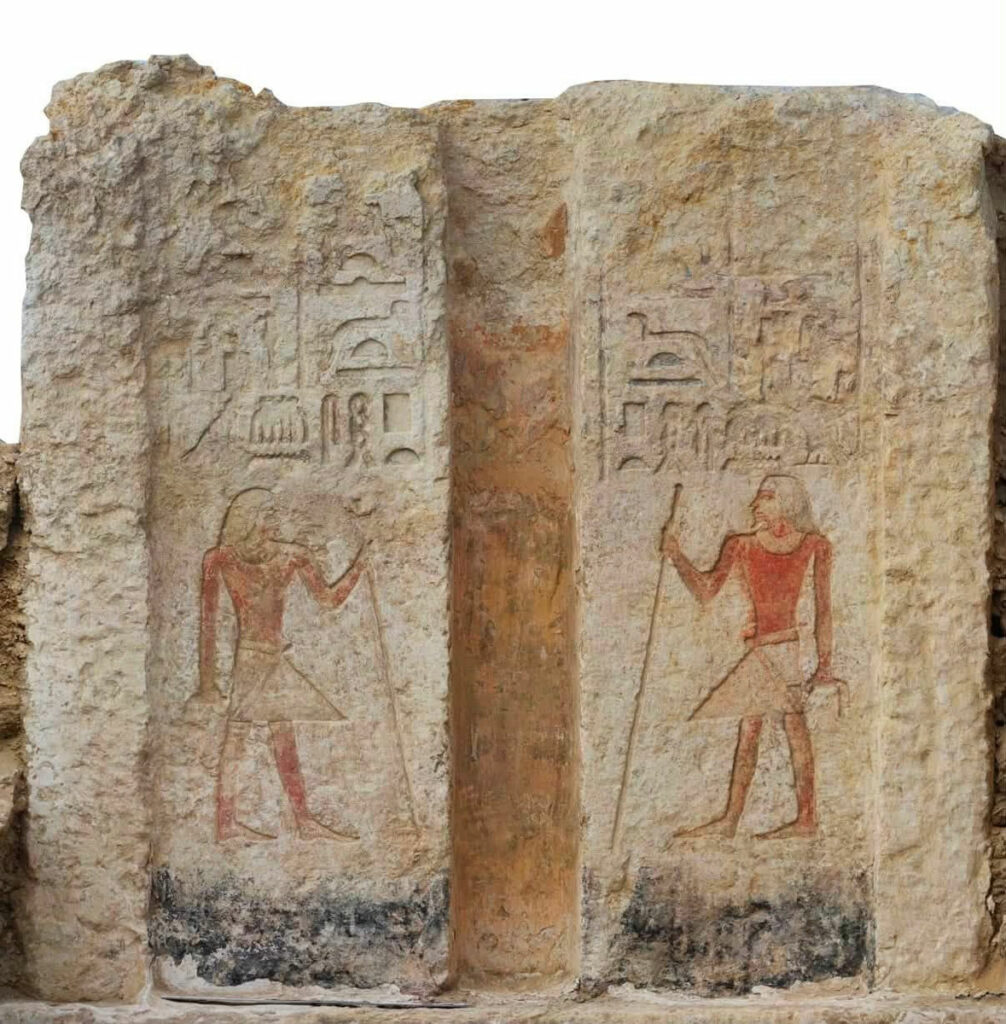
An inscription found at Tell Abu Seifi, near Egypt’s ancient military road through the northeastern Nile Delta, may help identify the location of the long-lost city of Mesn. The 3,200-year-old text mentions Ramesses II, who ruled from about 1279 to 1213 B.C., and describes Horus as the “Lord of the City of Mesn,” according to Egypt’s Ministry of Tourism and Antiquities.
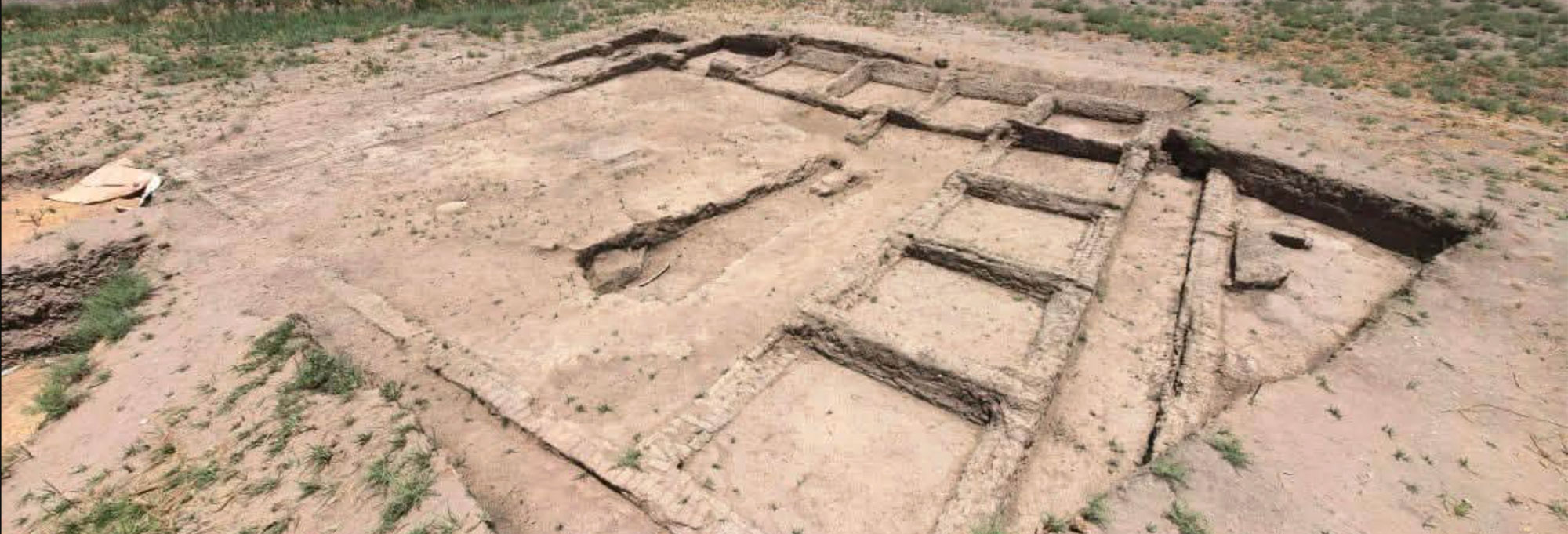
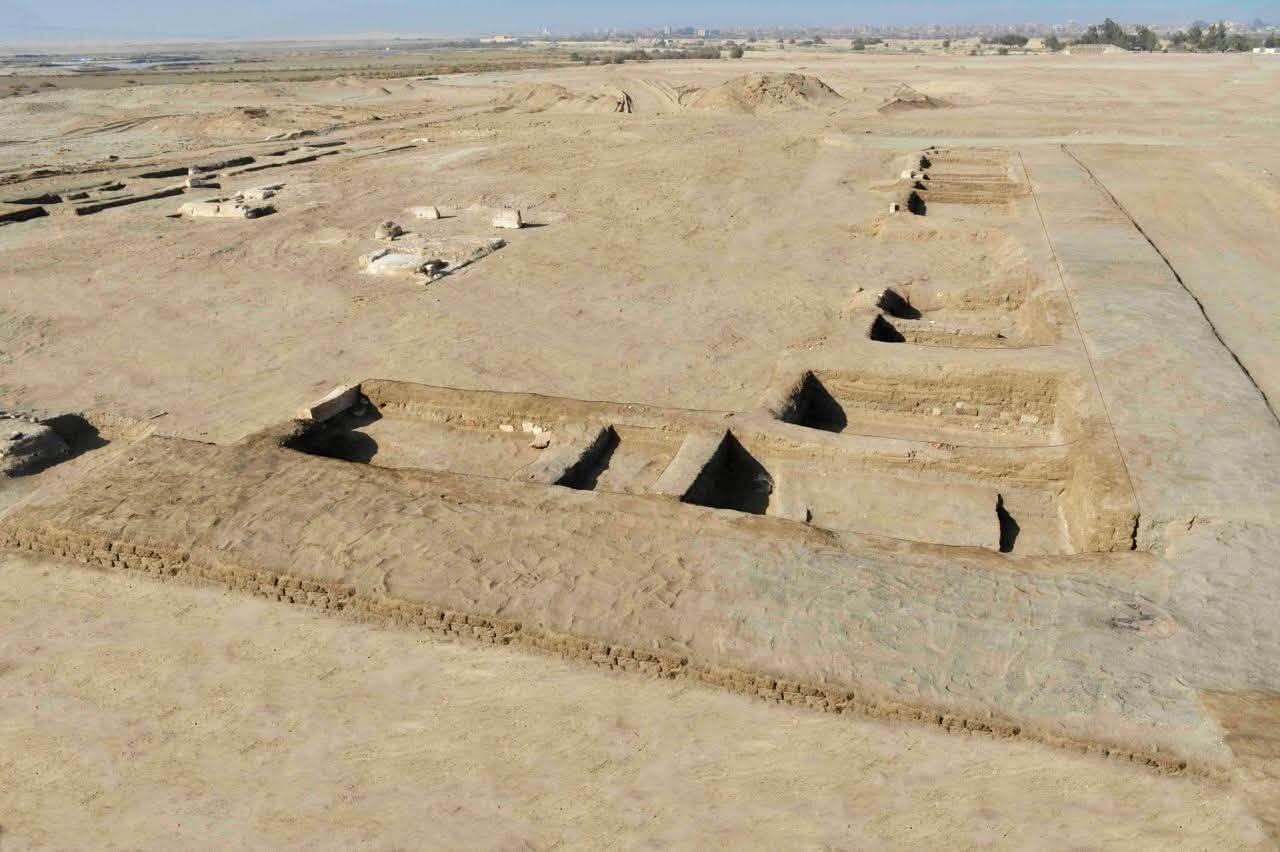
The excavation team also uncovered remains of a temple dedicated to Horus at the site, which lies beside the Suez Canal near the north Sinai Desert and the eastern Nile Delta. The temple was almost completely destroyed, however, limiting what researchers can determine about it, Hesham Hussein, director general of Delta and Sinai Archaeology at Egypt’s Ministry of Tourism and Antiquities, told Live Science.
The combination of the inscription and the Horus temple has led the ministry to suggest that Tell Abu Seifi could be Mesn, also spelled Mesen. Hussein stressed that the identification remains provisional. Archaeologists cannot yet establish the settlement’s precise founding date, size or population, and more investigation is required before the site can be identified with confidence.
Evidence from later periods may support the proposed connection. A bronze seal previously found at Tell Abu Seifi dates to the Ptolemaic period, approximately 304 to 30 B.C., and bears the inscription “Horus, Lord of Mesen.” Coffins from the same period discovered at the site contain similar wording. These finds suggest that the association between Horus and Mesen continued long after the Ramesses II-era inscription was made.
Tell Abu Seifi is located near the ancient “Way of Horus,” a route linking the eastern Nile Delta with the southern Levant and lined with military fortifications. Peter Brand of the University of Memphis, who was not involved in the excavation, said the site’s location and evidence are consistent with Mesn having served as a departure point for Egyptian armies heading toward Canaan, Lebanon and Syria.
The interpretation is not settled. James Hoffmeier said additional evidence, including ceramics, would be useful, while Gregory Mumford noted that inscriptions referring to Mesn have also been found at sites including Kom el-Qolzoum and Tjaru. He suggested that Mesn might have referred to a wider area rather than a single settlement. Other scholars likewise called for fuller publication of the inscriptions and excavation findings. Research at Tell Abu Seifi is continuing.