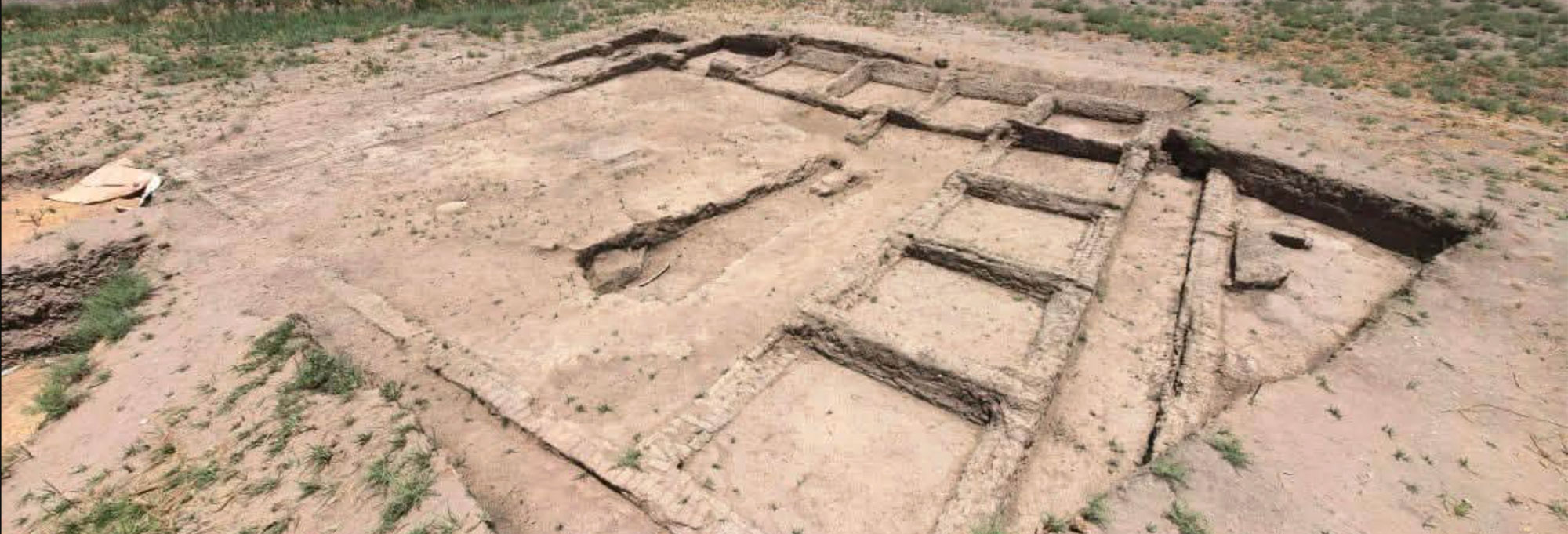
Researchers from Egypt’s Supreme Council of Antiquities and the Shanghai Museum have uncovered domestic structures and workshops near the Temple of Sekhmet in Memphis, according to Archaeology Magazine, which cited a report by La Brújula Verde.
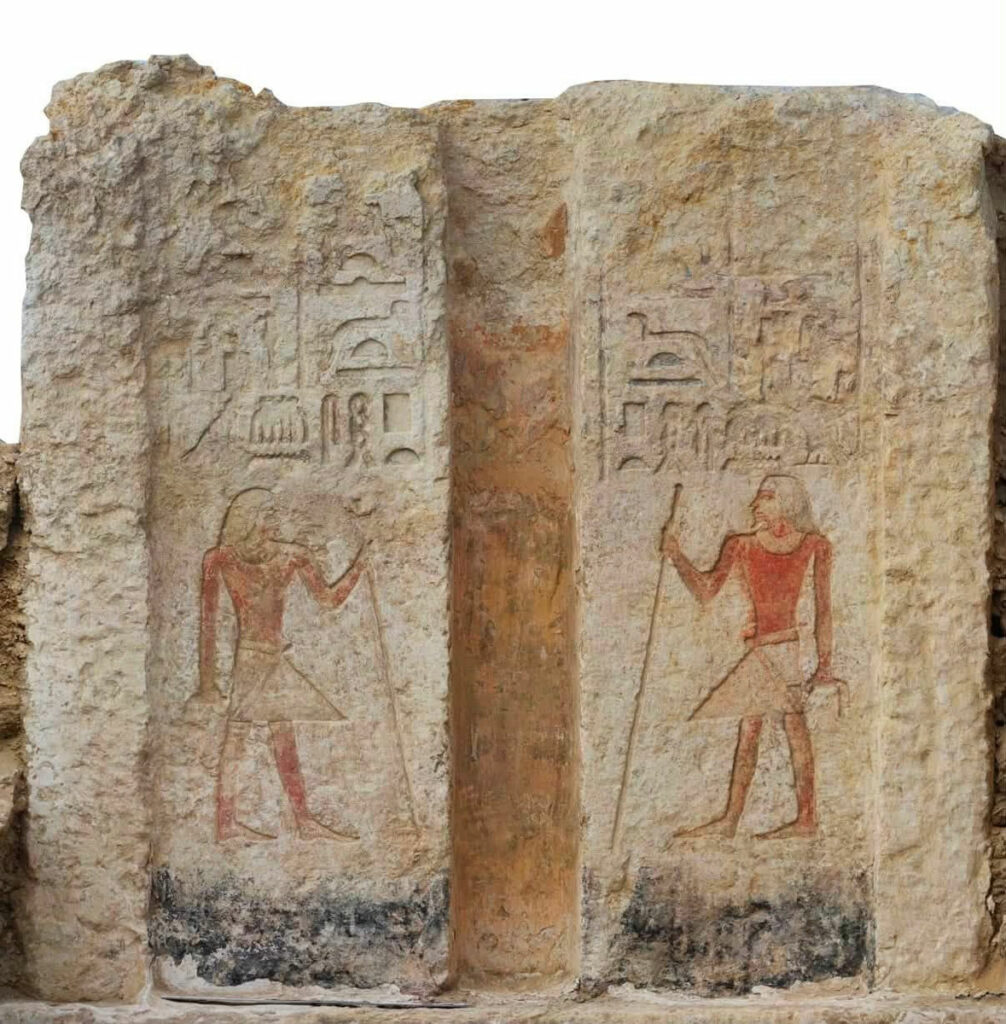
The remains were found in an area that appears to have changed in character over time. The buildings were constructed from adobe, reused stone blocks, and fragments of sculpture thought to have originated at the Temple of Ptah, formerly the city’s main sanctuary. The finds suggest that parts of the temple surroundings were later occupied for residential and craft activities.
The team also identified a feature that may have been a winepress. It consists of a limestone basin with a sloping surface leading toward a central opening and a lower basin. The reported form is consistent with processing activity, but the source describes its function as possible rather than confirmed.
Artifacts recovered from the area include ceramic fragments, faience amulets, and votive plaques. According to the report, these objects may indicate that people continued to make devotional offerings at the site into the Greco-Roman period. That activity would have occurred after Memphis’s temples had fallen out of use and the surrounding area had become a residential neighborhood.
The finds therefore provide evidence for changing use of the temple area, from a location associated with major religious monuments to one containing homes and workshops, while some forms of devotion may have persisted. The report does not establish whether every structure or object was directly connected to the Temple of Sekhmet or the earlier Temple of Ptah.