Archaeology.Today
Field Report

Neolithic Wooden Trackway Found Beneath Peat in Somerset

Excavations at Honeygar in Somerset have uncovered a wooden trackway dating to between 3,770 and 3,640 BC. The birchwood and brushwood structure was found beneath peat during an investigation of a later prehistoric trackway and is being studied alongside evidence of the ancient wetland environment.

September 3, 2026
1 Source
Honeygar
Neolithic Wooden Trackway Found Beneath Peat in Somerset
The Story

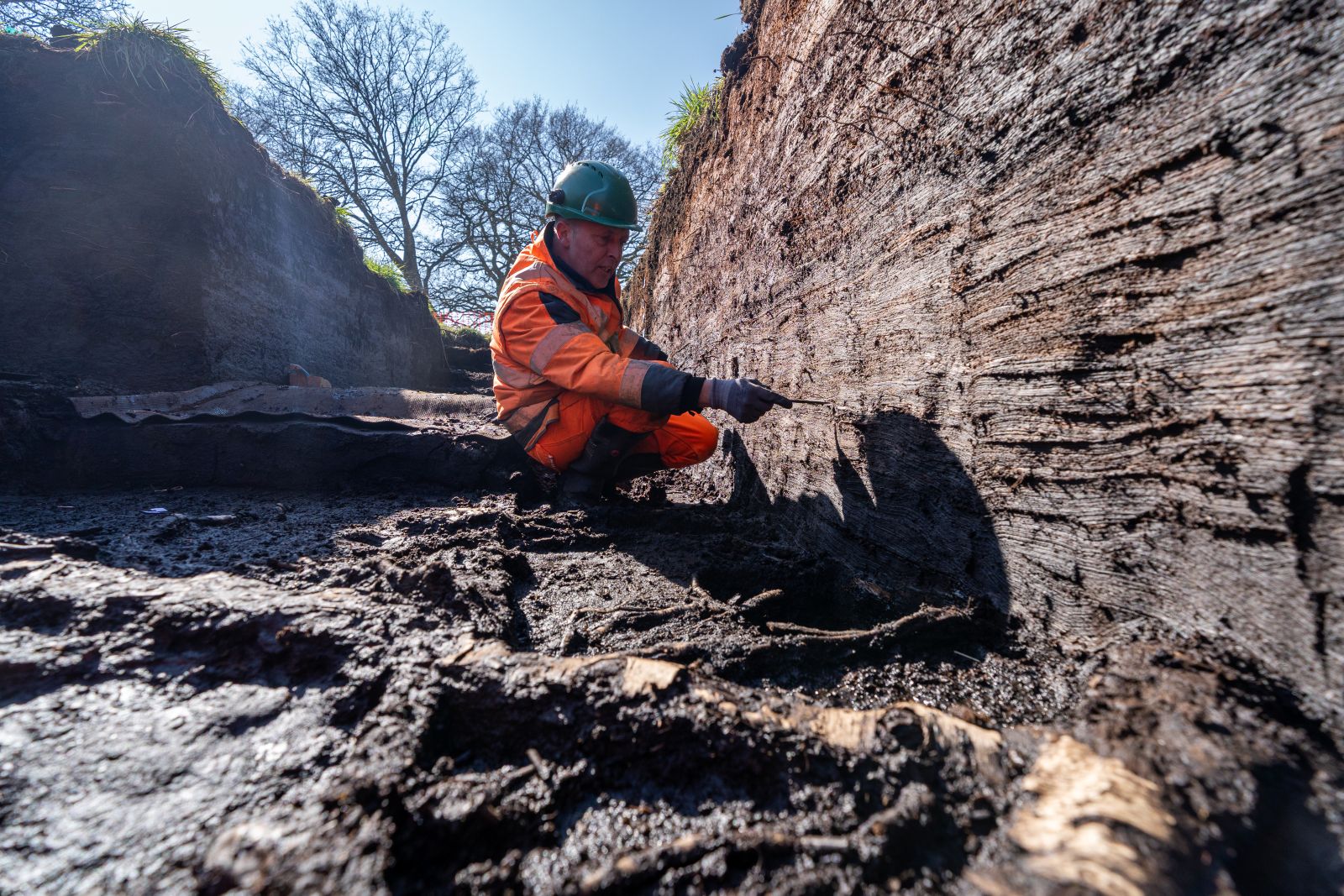
Archaeological excavations at Honeygar in Somerset have revealed a wooden trackway dating to between 3,770 and 3,640 BC, making it nearly 6,000 years old. The structure was preserved beneath layers of peat at the Somerset Wildlife Trust site, where archaeologists had initially been investigating a later prehistoric trackway.

The newly identified walkway was made from birchwood poles and brushwood. Trackways of this kind enabled people to cross the watery marshes that covered parts of the landscape, providing a stable route through difficult terrain during the early Neolithic period.

The excavation was carried out on behalf of Somerset Wildlife Trust and the Species Survival Fund. The team had originally been called in to assess the condition of a prehistoric trackway and a Historic England scheduled monument believed to date to around 4,600 years ago. Instead, the investigation revealed a structure roughly 1,000 years older.

Peat formed in low-oxygen conditions can preserve organic material that would normally decay. At Honeygar, this includes not only the wooden trackway but also remains of plants and animals. Soil samples collected during the excavation are now being examined by environmental archaeologists for pollen, plant remains, insects and microscopic organisms.

The analysis could provide evidence about past climate change, human activity and the character of the historic wetland. The results are also intended to support efforts by ecologists to recreate the wetland habitat that once existed at the site.

Honeygar is the Somerset Wildlife Trust’s first “wilded” site and forms part of a 50-year project to restore lowland peat and create a biodiversity reserve after years of intensive farming. The trust is managing water levels as part of its conservation work, both to prevent the peat from disappearing during increasingly frequent droughts and to protect the archaeological remains it contains.

Bruce Eaton, the excavation’s senior project manager, said the discovery added to understanding of Somerset’s complex ancient landscape. The trackway’s preservation offers researchers an opportunity to study both a prehistoric structure and the environmental evidence held within the peat around it.

Reference Desk

Sources & Further Reading

Continue Exploring

Related Archaeology

More stories
Inner-Ear Bone Study Traces Population Change in Prehistoric Northeast Africa
01
Human Origins
Score 75

Inner-Ear Bone Study Traces Population Change in Prehistoric Northeast Africa

An analysis of bony labyrinths from 148 prehistoric and recent individuals identifies continuity among Middle Nile Valley foragers but a marked morphological break after the emergence of Neolithic food-producing communities. The results also point to substantial population diversity and possible isolation across northeastern Africa.

Read story
BLM Opens Comment Period on Proposed Revocation of Chaco Land Withdrawal
02
Discoveries
Score 20

BLM Opens Comment Period on Proposed Revocation of Chaco Land Withdrawal

The Bureau of Land Management has released a draft Environmental Assessment on revoking a 10-mile minerals leasing withdrawal around Chaco Culture National Historical Park. Archaeology Southwest argues that the assessment does not adequately address potential impacts to cultural sites or incorporate Indigenous traditional knowledge.

Read story
Archaeology Southwest Highlights Threats to Section 106 and Southwest Heritage
03
Discoveries
Score 20

Archaeology Southwest Highlights Threats to Section 106 and Southwest Heritage

A roundup from Archaeology Southwest points to proposed changes to Section 106, border-barrier construction concerns in the Lower Pecos Canyonlands and Big Bend National Park, and potential development near several protected cultural landscapes.

Read story
Groups Urge Action on Lower Pecos Border Project and Section 106
04
Discoveries
Score 20

Groups Urge Action on Lower Pecos Border Project and Section 106

Archaeology Southwest is urging the public to comment on proposed border infrastructure in Texas’s Lower Pecos Canyonlands and to contact Congress about protecting Section 106 reviews. The organization says the project could affect a nationally recognized archaeological landscape and Seminole Canyon State Park.

Read story
Anglo-Saxon Settlement and Stone Age Tools Found in Suffolk Excavation
05
Excavations
Score 20

Anglo-Saxon Settlement and Stone Age Tools Found in Suffolk Excavation

Archaeological work linked to the East Anglia TWO project has revealed an Anglo-Saxon settlement near Friston, prehistoric stone tools and medieval kilns across more than 24 hectares in Suffolk. Researchers also found a complete flint arrowhead estimated to be 4,000–6,000 years old.

Read story
Archaeologists Record Norfolk Church Threatened by Coastal Erosion
06
Discoveries
Score 20

Archaeologists Record Norfolk Church Threatened by Coastal Erosion

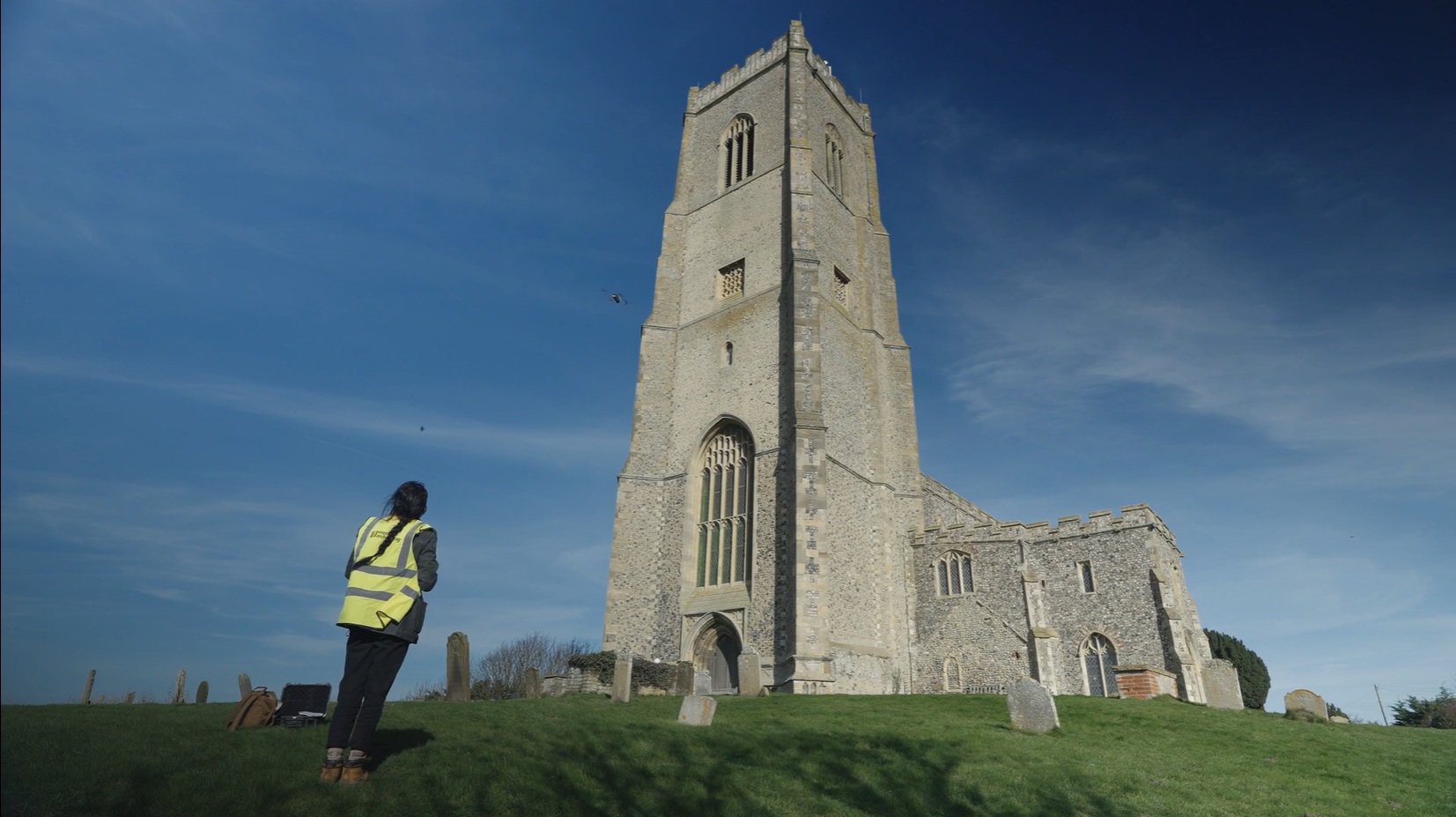
A community archaeology project has documented St Mary the Virgin in Happisburgh, Norfolk, a 14th-century church now about 80 metres from the North Sea. Laser scanning, 3D photography and oral histories will preserve records of the building and its local significance if erosion eventually takes the site.

Read story