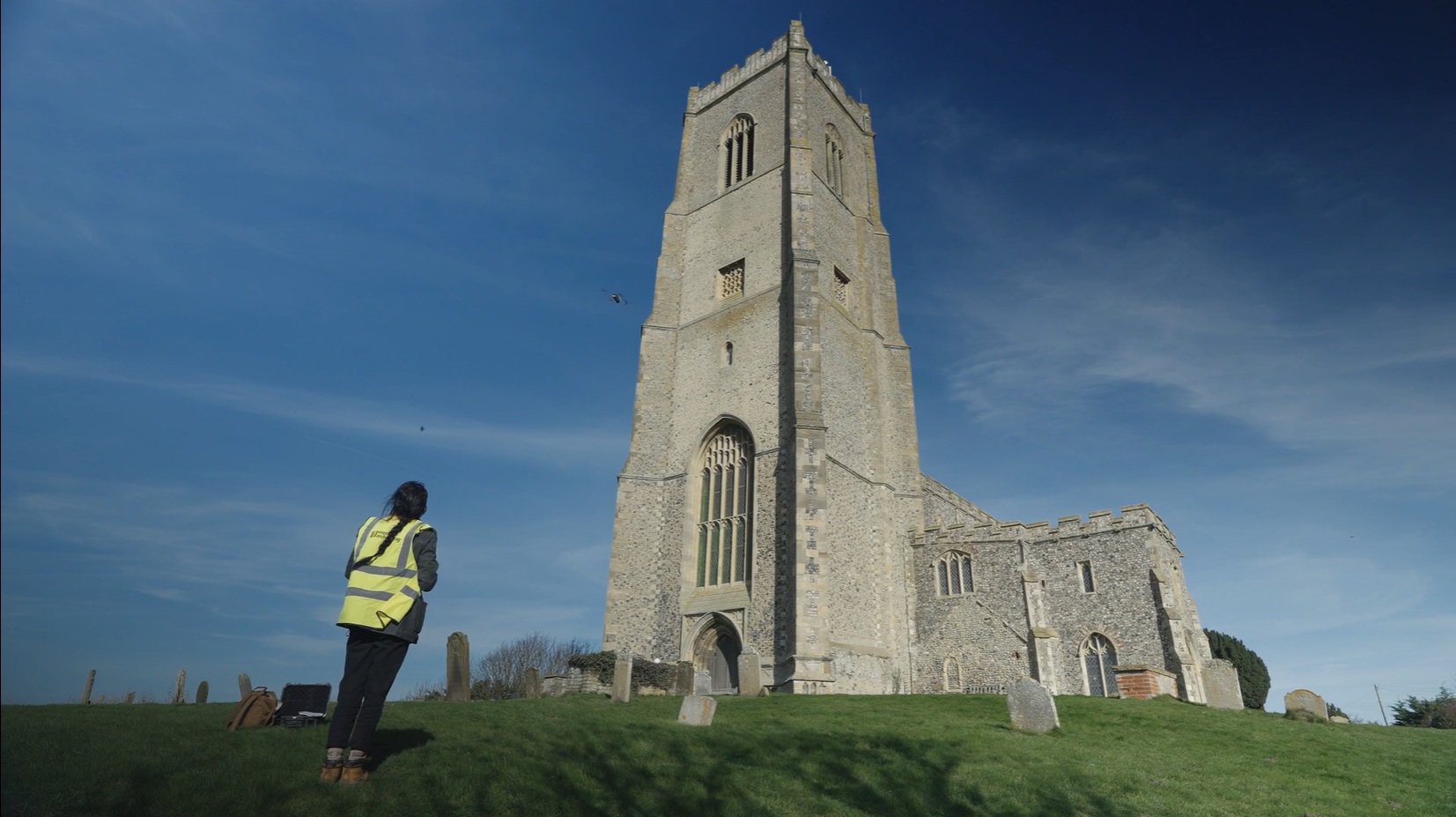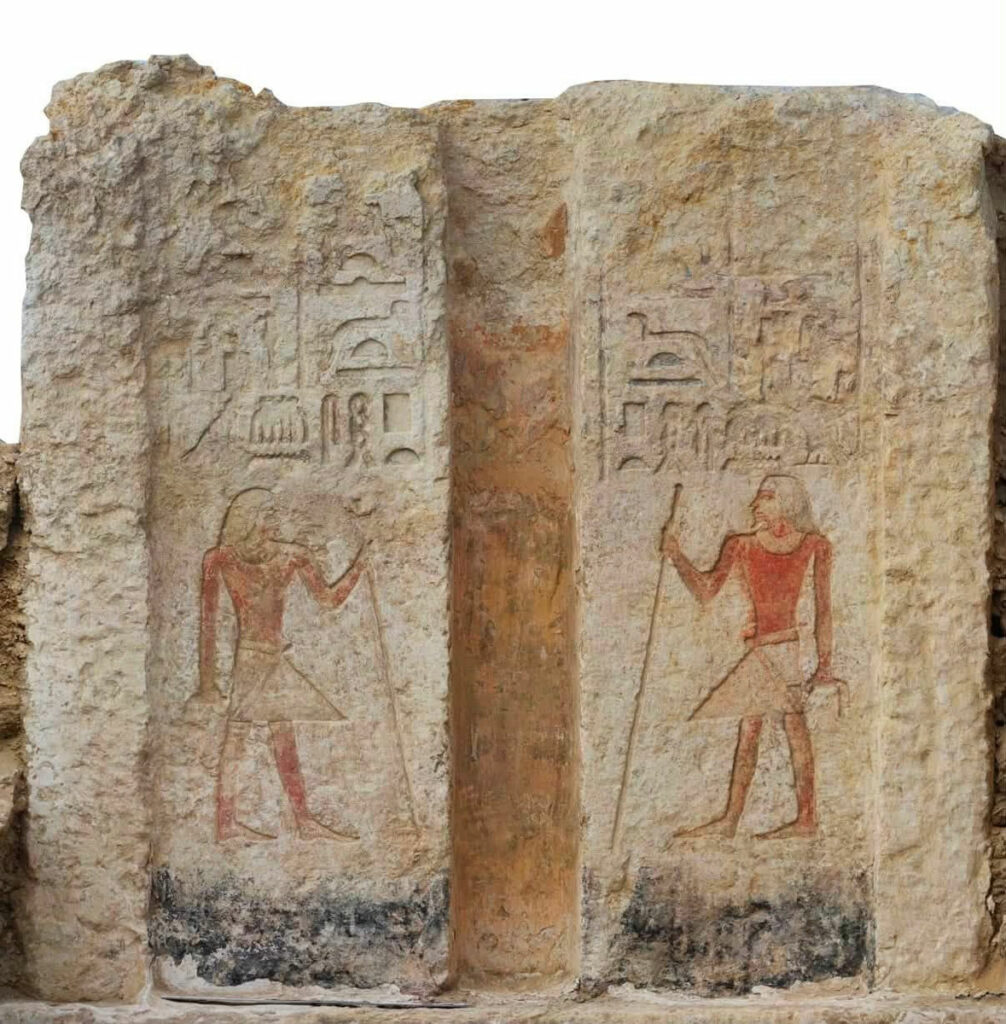
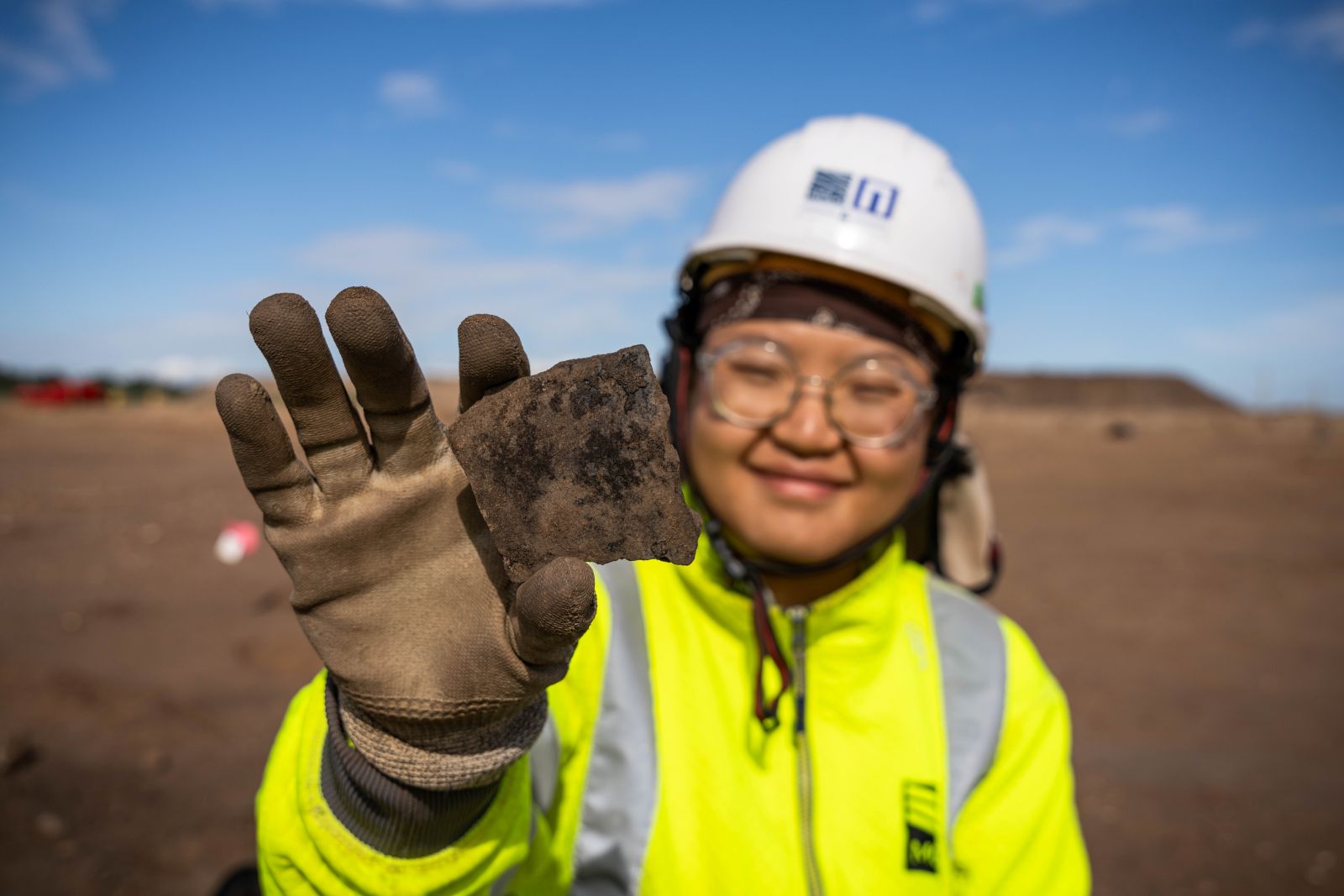
Excavations across more than 24 hectares in Suffolk have uncovered the remains of an Anglo-Saxon settlement, Stone Age tools and medieval industrial features as part of archaeological work for the East Anglia TWO project.
A team of 90 archaeologists from MOLA Wessex Archaeology carried out the investigation on behalf of ScottishPower Renewables. Near the modern village of Friston, they identified evidence of a small early medieval community that lived in wooden longhouses. The buildings have decayed, but their post holes indicate substantial structures measuring up to 19 metres long and 6 metres wide.
The longhouses appear to have served as both homes and communal spaces. Each contained a central hearth used for cooking and warmth, according to the excavation report. The settlement did not continue beyond the 1300s, and further study is planned to establish more about the period when it was occupied and the reasons for its abandonment.
One modern feature may preserve a connection with the settlement. A public right of way follows the same alignment as the early medieval buildings. Archaeologists say the route may have been used since the Anglo-Saxon period, or possibly earlier, although that interpretation remains tentative.
The excavation also produced evidence of Stone Age toolmaking. Finds include a crafted axe head, which may have been used for woodworking, clearing land or butchery. A particularly rare discovery was a small, complete flint arrowhead estimated to date from 4,000 to 6,000 years ago. Its pointed and sharpened edges are fragile and often break while buried, making an intact example unusual.
Near Sizewell on the East Anglian coast, the team found medieval kilns. They may have been used to produce pottery, ceramics or lime, but their precise function has not yet been established.
The wider investigation has also recovered pottery associated with the Beaker folk, described by the project team as groups who lived across Europe during the early Bronze Age. Matthew Ginnever of MOLA Wessex Archaeology said the material suggests contact and trade between local communities and groups on the continent more than 3,000 years ago.
Researchers will continue analyzing the discoveries. Initial findings are due to be discussed in a free online webinar scheduled for January 23, 2026.