Archaeology.Today
Field Report

High-Nickel Rings Point to Meteorite Iron in Bronze Age Greece

A study of 91 ancient iron objects from Greece found unusually high nickel levels in 13 rings and ring fragments. Researchers say at least 10 were probably made from meteoritic iron, with many discovered in wealthy tombs linked to Mycenaean elites.

September 8, 2026
1 Source
Mycenae
High-Nickel Rings Point to Meteorite Iron in Bronze Age Greece
The Story

A chemical study of ancient iron objects from Greece has identified a group of rings that were probably made from metal originating in meteorites. The findings suggest that meteoritic iron may have been used not only as an unusual raw material, but also as prestigious jewellery during the Bronze Age.

Astrophysicist and geochemist Matthieu Gounel of France’s National Museum of Natural History and archaeologist Eleni Mantsurani of the National and Kapodistrian University of Athens examined 91 iron artefacts from 33 archaeological sites. The objects are held in 19 museum collections and date from the Bronze and Early Iron Ages, with most of the rings dating between the 18th and 14th centuries BC.

The researchers used portable X-ray fluorescence, a non-destructive method for examining chemical composition. They focused on nickel, which is commonly present in iron meteorites and can occur alongside kamacite, an iron-nickel alloy formed within asteroids and other planetary bodies.

Thirteen of the examined objects—全部 rings or fragments of rings—contained elevated nickel levels. Nine were considered most likely to have been made from meteoritic iron, while a tenth was also judged highly probable. A meteoritic origin remains possible for three other rings, although the researchers say additional evidence would be needed.

The objects’ archaeological contexts point to their potential social importance. Nearly all of the high-nickel examples came from wealthy tholos and chamber tombs at major Mycenaean sites, including Mycenae, Dendra, Vathyo and Kakovatos. Another ring was reportedly found at the Minoan sanctuary of Anemospilia on Crete, on the finger of a man interpreted by archaeologists as a high-ranking priest.

Some rings combined iron with gold, silver or bronze, and some may have served as seals as well as ornaments. Two from a Dendra tomb were reportedly placed inside a gold vessel decorated with an octopus. These settings led the researchers to suggest that meteoritic iron could have symbolized authority, wealth or status.

The source of the metal remains uncertain. Egypt has been proposed as one possible source because its dry deserts preserve and expose meteorites more readily than Greece, and Bronze Age connections linked Egypt with the Aegean. However, there is no direct evidence that the Greek rings used Egyptian meteorites.

The tradition appears to have declined around the 12th and 11th centuries BC, as the Mycenaean palace system collapsed and terrestrial iron production became more widespread. Researchers cannot yet determine whether changing political conditions, improved ironworking, or both caused meteoritic iron jewellery to lose its exclusivity.

Reference Desk

Sources & Further Reading

Continue Exploring

Related Archaeology

More stories
6,500-Year-Old Czech Enclosure May Have Marked Solar and Lunar Cycles
01
Discoveries
Score 75

6,500-Year-Old Czech Enclosure May Have Marked Solar and Lunar Cycles

Archaeologists studying a 230-meter prehistoric enclosure near Chleby say its 12 entrances may have created sightlines to important positions of the Sun and Moon. The monument, dated through organic material, appears to predate major Stonehenge construction phases by more than 1,000 years.

Read story
Wolves on Swedish Island Point to Prehistoric Human Management
02
Discoveries
Score 75

Wolves on Swedish Island Point to Prehistoric Human Management

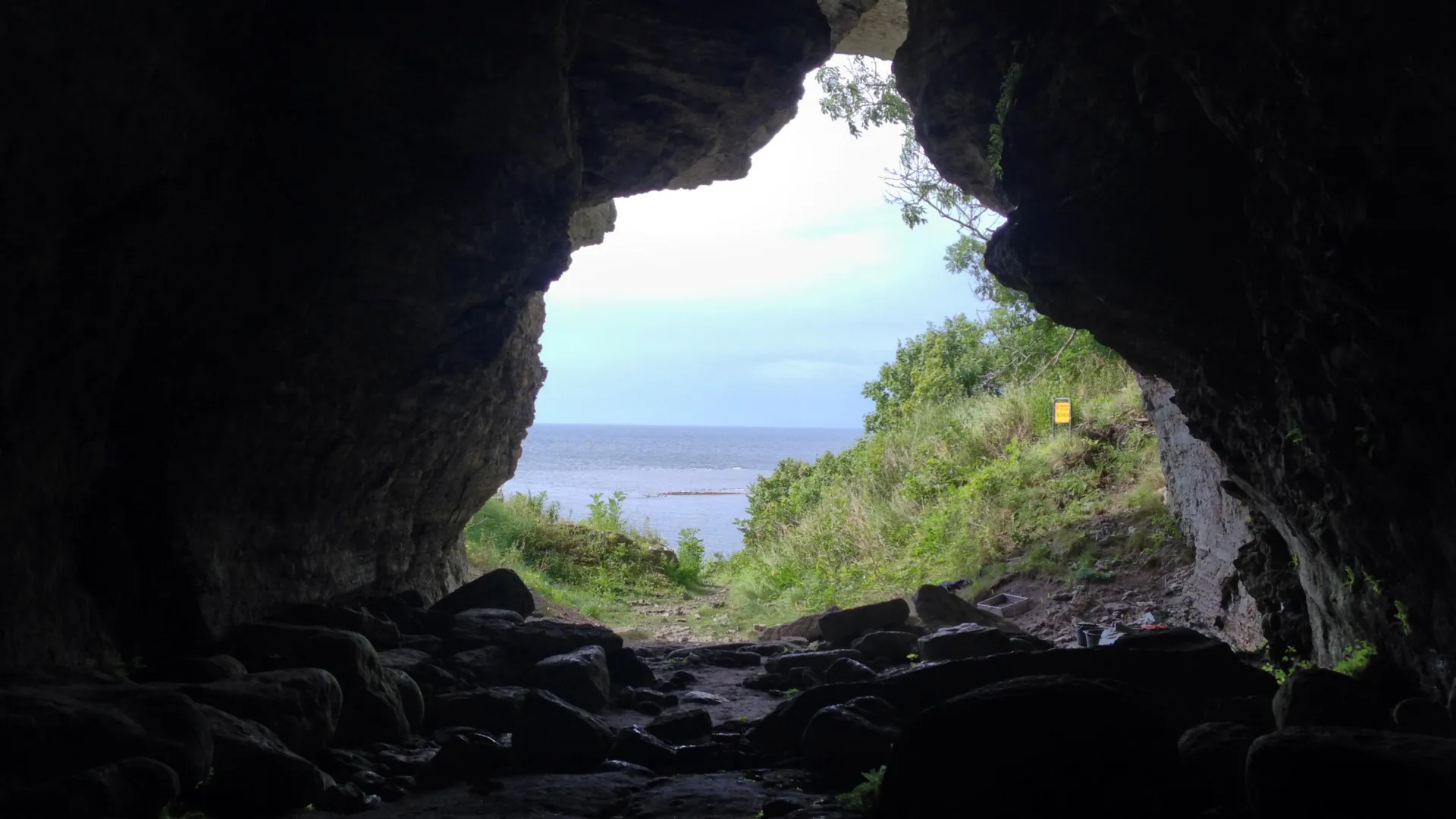
Wolf remains from Stora Karlsö, a small Baltic island with no native land mammals, date to roughly 3,000–5,000 years ago. Genetic, dietary and skeletal evidence suggests people transported the animals by boat and may have fed or cared for them without fully domesticating them.

Read story
Villa Complex and 84-Square-Metre Mosaic Found in Eastern Türkiye
03
Excavations
Score 60

Villa Complex and 84-Square-Metre Mosaic Found in Eastern Türkiye

A farmer’s discovery of mosaic remains in Salkaya village led to excavations revealing a settlement with a villa, bathhouse, church, grain-storage area and child’s grave. Archaeologists date the complex to the Late Roman and Early Byzantine periods, but its original owner remains unknown.

Read story
Ancient Sardis Added to UNESCO World Heritage List After Decades of Excavation
04
Heritage
Score 55

Ancient Sardis Added to UNESCO World Heritage List After Decades of Excavation

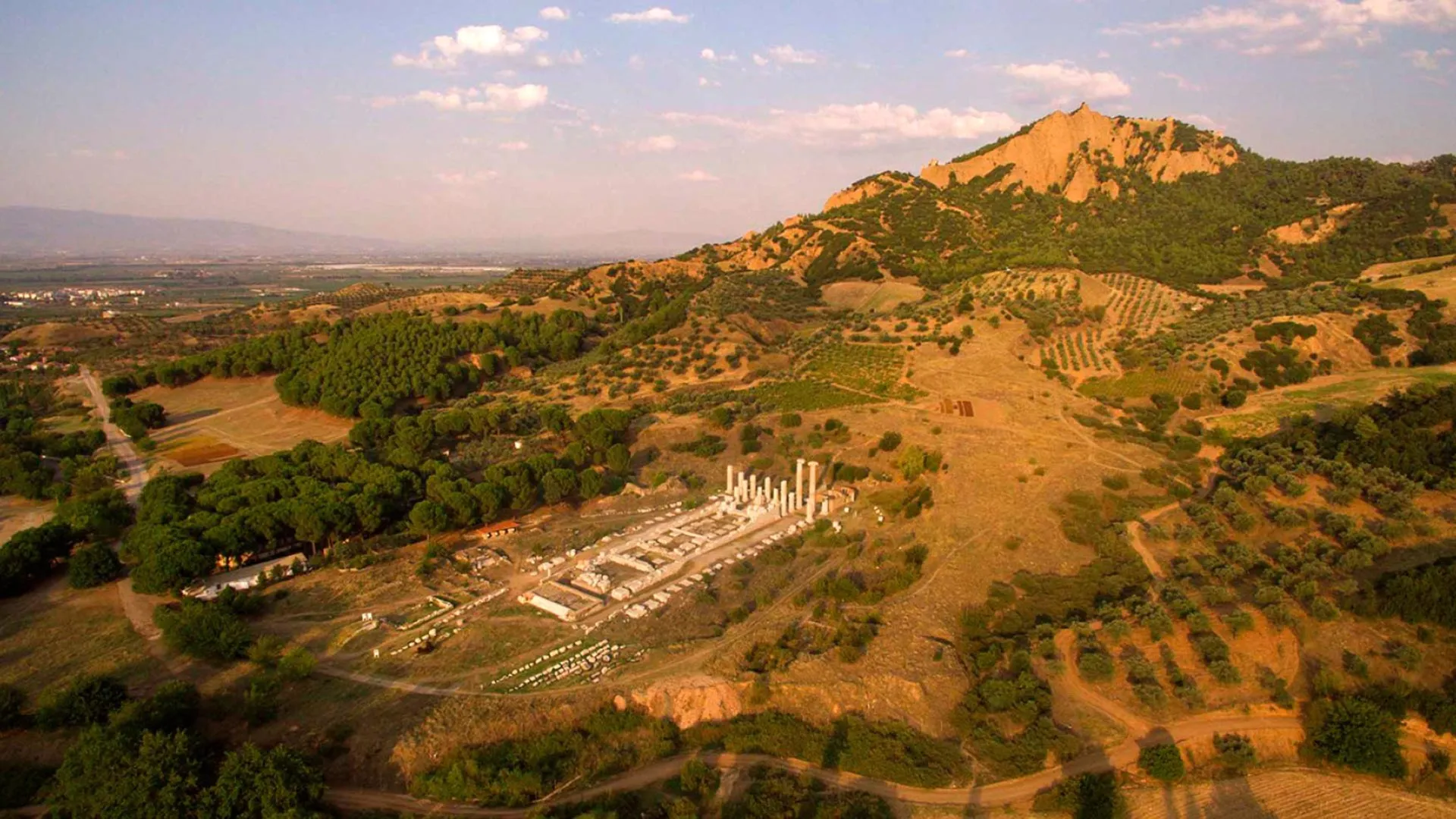
Sardis, an ancient city in western Turkey excavated continuously since 1958, has been added to the UNESCO World Heritage List. Researchers say the designation recognizes decades of archaeological work while highlighting the need to protect the site from erosion, farming damage and looting.

Read story
Bronze-Casting Mould and Weapons Found at Tatarstan Pyanobor Site
05
Excavations
Score 40

Bronze-Casting Mould and Weapons Found at Tatarstan Pyanobor Site

Excavations at the Kipchak Archaeological Complex in Russia’s Tatarstan have yielded a bronze-casting mould, bronze and iron arrowheads, a spearhead, jewellery and decorated pottery. Kazan Federal University archaeologists say the finds may help investigate the debated origins of the Pyanobor culture.

Read story
Bear Claws Found in Sixth-Century Elite Burials Near Kaliningrad
06
Artifacts
Score 40

Bear Claws Found in Sixth-Century Elite Burials Near Kaliningrad

Archaeologists identified brown bear claw bones in seven cremation burials on the Kaliningrad Peninsula, including one grave containing 12 claws. The graves also held weapons, precious-metal jewelry, horses and other elaborate goods, suggesting that the burials marked elevated social status, although the precise role of the bear remains is uncertain.

Read story