
Archaeology.Today
Field Report

Ancient DNA Identifies Early Plague Outbreaks in Siberian Hunter-Gatherers

DNA from remains found at four Late Stone Age cemeteries along Siberia’s Angara River indicates two plague outbreaks beginning about 5,500 years ago. The findings may explain why children and family groups were heavily represented among those buried at the sites.

September 8, 2026
1 Source
Ust-Ida
Ancient DNA Identifies Early Plague Outbreaks in Siberian Hunter-Gatherers
The Story

Ancient DNA from Late Stone Age cemeteries in southeastern Siberia provides the earliest evidence so far of plague outbreaks, according to research reported in Nature. The evidence indicates that the disease affected hunter-gatherer communities along the Angara River beginning about 5,500 years ago, with a second outbreak occurring roughly 400 to 600 years later.

Researchers analyzed dental pulp from the remains of 42 people buried at four cemeteries. Yersinia pestis DNA—the bacterium responsible for plague—was identified in 18 individuals, or 39% of those examined. Because degraded ancient DNA can produce false-negative results, the researchers suspect that plague may have caused the deaths of more people buried at the sites than the tests confirmed.

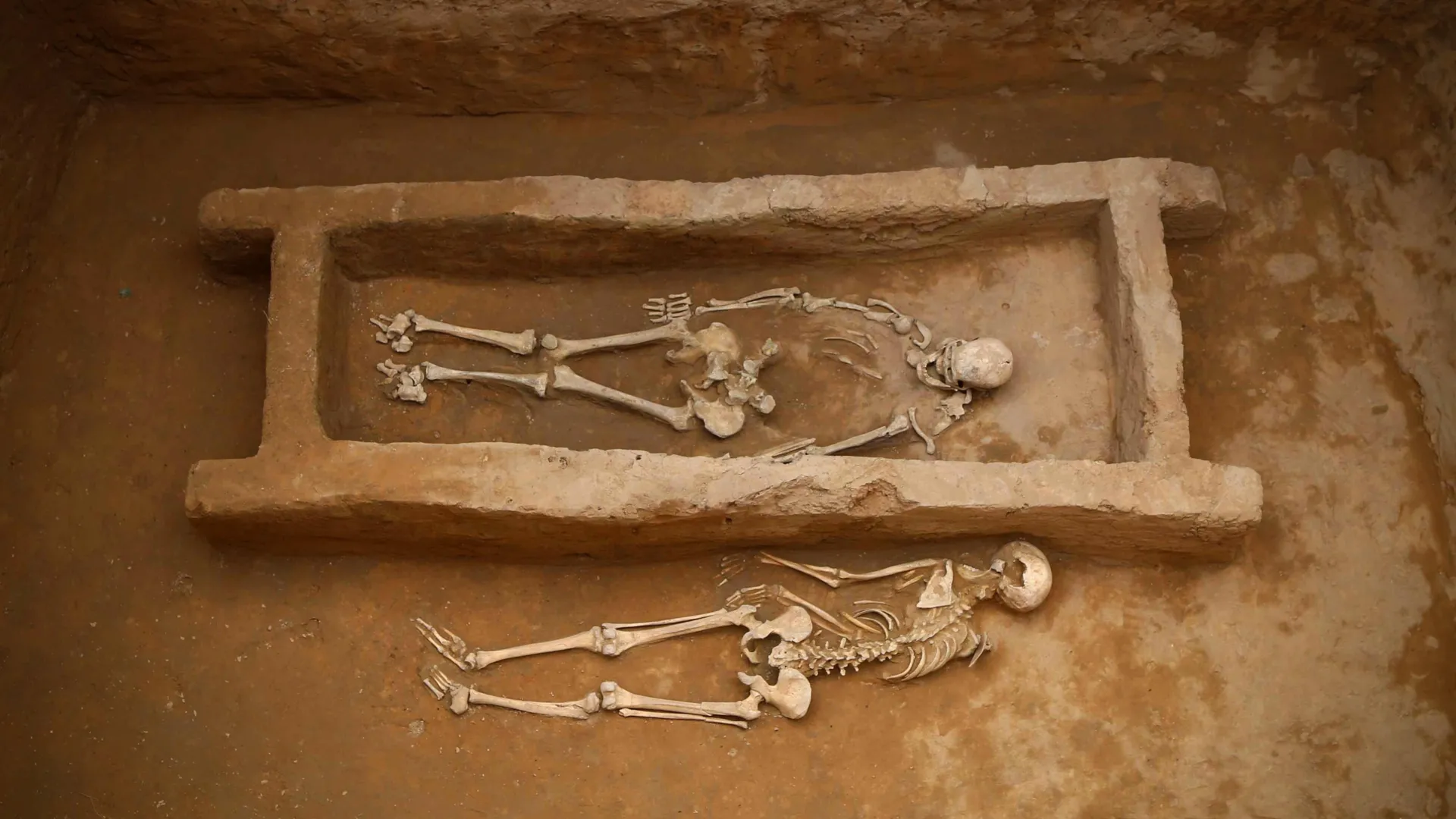
The cemeteries include Ust-Ida, located on the Angara River northwest of Lake Baikal. Shared graves there predominantly contained children. Across two of the cemeteries, at least two-thirds of those who died were younger than 15, and many individuals were buried with siblings or other relatives. The researchers suggest that children may have been especially vulnerable, while older hunter-gatherers could have survived earlier exposure and acquired some immunity.

The team included researchers from institutions in Copenhagen, Alberta, Cambridge and London. Their genetic analysis indicates that Y. pestis emerged at least 5,700 years ago, after diverging from Yersinia pseudotuberculosis, a bacterium associated with abdominal pain, fever, diarrhea and vomiting. The outbreaks identified at the cemeteries therefore began at least two centuries after the plague bacterium first appeared.

The hunter-gatherers most likely contracted pneumonic plague, which affects the lungs. The source reporting says they may have been exposed while butchering or eating raw marmots, described as the primary animal reservoir in the area. The disease could then have spread between people in close contact.

The Y. pestis recovered from the remains carried a superantigen, or toxic protein, capable of triggering severe immune reactions. Researchers said this could have increased the disease’s lethality, particularly among children. The findings also indicate that dangerous plague outbreaks were possible in small, mobile communities, not only in later densely populated settlements.

Reference Desk

Sources & Further Reading

Continue Exploring

Related Archaeology

More stories
Ancient DNA Links Plague to Deaths 5,500 Years Ago in Siberia
01
Bioarchaeology
Score 235

Ancient DNA Links Plague to Deaths 5,500 Years Ago in Siberia

Ancient DNA from hunter-gatherer cemeteries near Lake Baikal has revealed Yersinia pestis in 18 of 46 individuals studied. Researchers say the evidence, combined with radiocarbon dating and burial patterns, indicates that early plague strains could be highly lethal before the emergence of cities and flea-borne transmission.

Read story
Archaeology
Discoveries
Score 45

Report Describes Plague Outbreaks Among Lake Baikal Hunter-Gatherers

A Nature Archaeology report published June 17, 2026, describes lethal plague outbreaks affecting hunter-gatherers in the Lake Baikal region approximately 5,500 years ago. The available source material provides no further details about the evidence or research methods.

Read story
Ancient DNA Tracks Population Replacement at French Megalithic Tomb
03
Bioarchaeology
Score 40

Ancient DNA Tracks Population Replacement at French Megalithic Tomb

DNA from 132 people buried at a megalithic tomb near Bury, north of Paris, indicates a sharp population break around 3000 BC. Researchers found evidence of disease and severe mortality, but say the collapse likely resulted from several interacting pressures rather than plague alone.

Read story
Ancient DNA Traces Family and Sacrifice at China’s Shimao Settlement
04
Bioarchaeology
Score 40

Ancient DNA Traces Family and Sacrifice at China’s Shimao Settlement

A 13-year study of ancient DNA from Shimao and nearby sites finds that the settlement’s population was largely descended from local Yellow River farming communities, while also showing connections across northern, central and southern China. The analysis offers new evidence about kinship, social hierarchy and human sacrifice.

Read story
Ancient DNA Identifies Upton Lovell Shaman as a Woman
05
Bioarchaeology
Score 40

Ancient DNA Identifies Upton Lovell Shaman as a Woman

Genetic analysis of a 4,000-year-old burial from Wiltshire has shown that the individual known as the Upton Lovell Shaman was female. The grave’s metalworking tools, gold traces and ceremonial objects suggest she may have held a skilled and possibly special status in Bronze Age society.

Read story
Archaeology
Bioarchaeology
Score 40

Isotope Analysis Examines Mobility of Early Cattle Herds in Northern Europe

A Nature Archaeology report published September 6, 2026, is titled “Isotope analysis reveals mobility of the earliest cattle herds in northern Europe.” The available source material does not provide details about the study’s researchers, sites, methods, or findings.

Read story