A project involving men from HMP Erlestoke and Wessex Archaeology will be presented through a short film and an exhibition at Wiltshire Museum, highlighting the participants’ work on a full-scale archaeological excavation and the discoveries made during the project.
The film features firsthand accounts from men at the category C prison, who describe what they learned and how taking part affected their lives. It also introduces finds from the excavation, including a collection of Mesolithic flints, Romano-British pottery, fragments of medieval pottery, 18th-century glass and a piece of clay pipe.
The Digging for Erlestoke project began involving participants in 2023. With support from The National Lottery Heritage Fund, it was designed to provide access to archaeology for the men taking part and for the wider prison community.
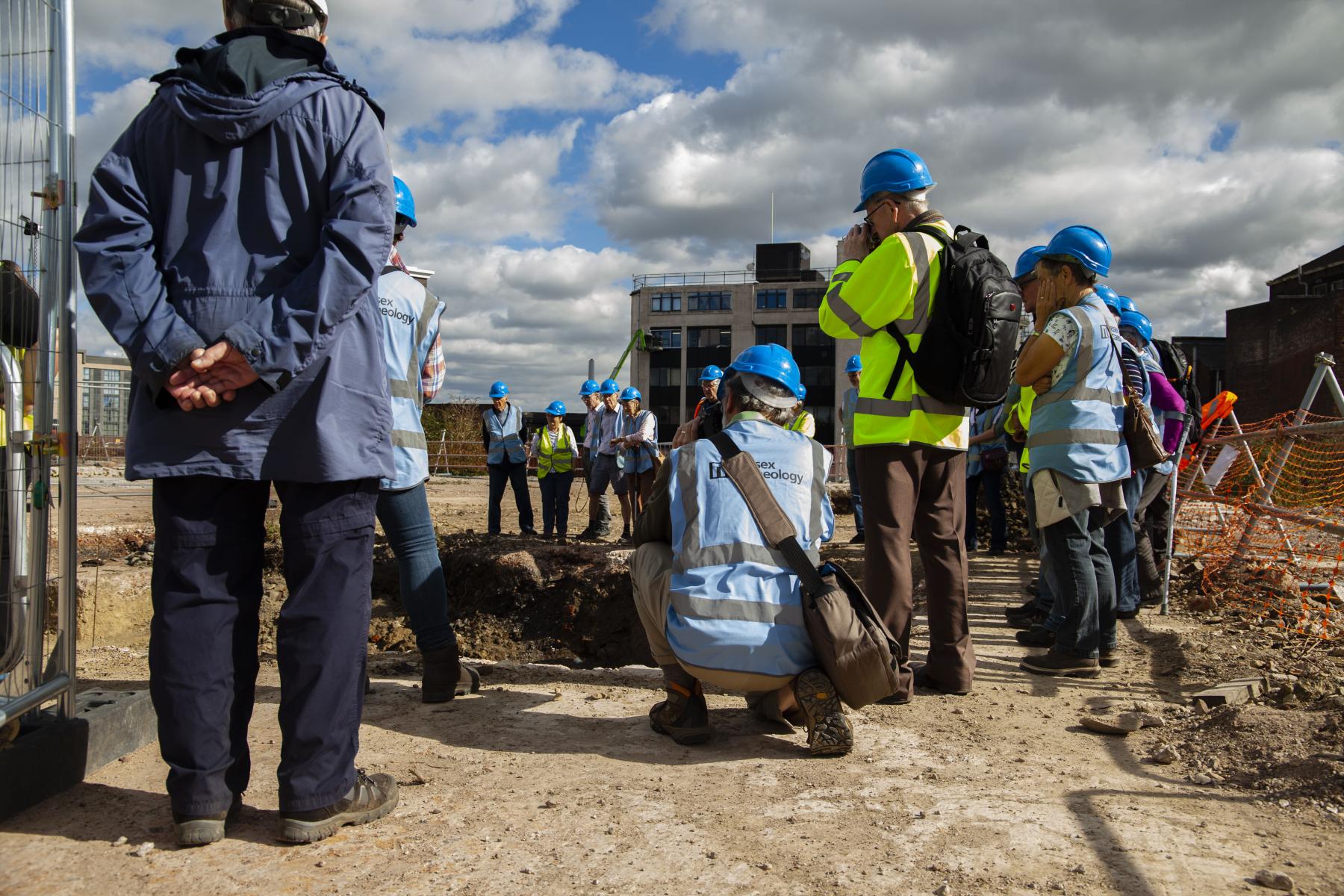
Participants have been involved in multiple stages of the archaeological process. These included researching the history of the site, learning to carry out risk assessments, excavating, processing finds, producing illustrations and interpreting the results. They have also contributed substantially to the project’s final written report, which Wessex Archaeology said was due to be completed soon.
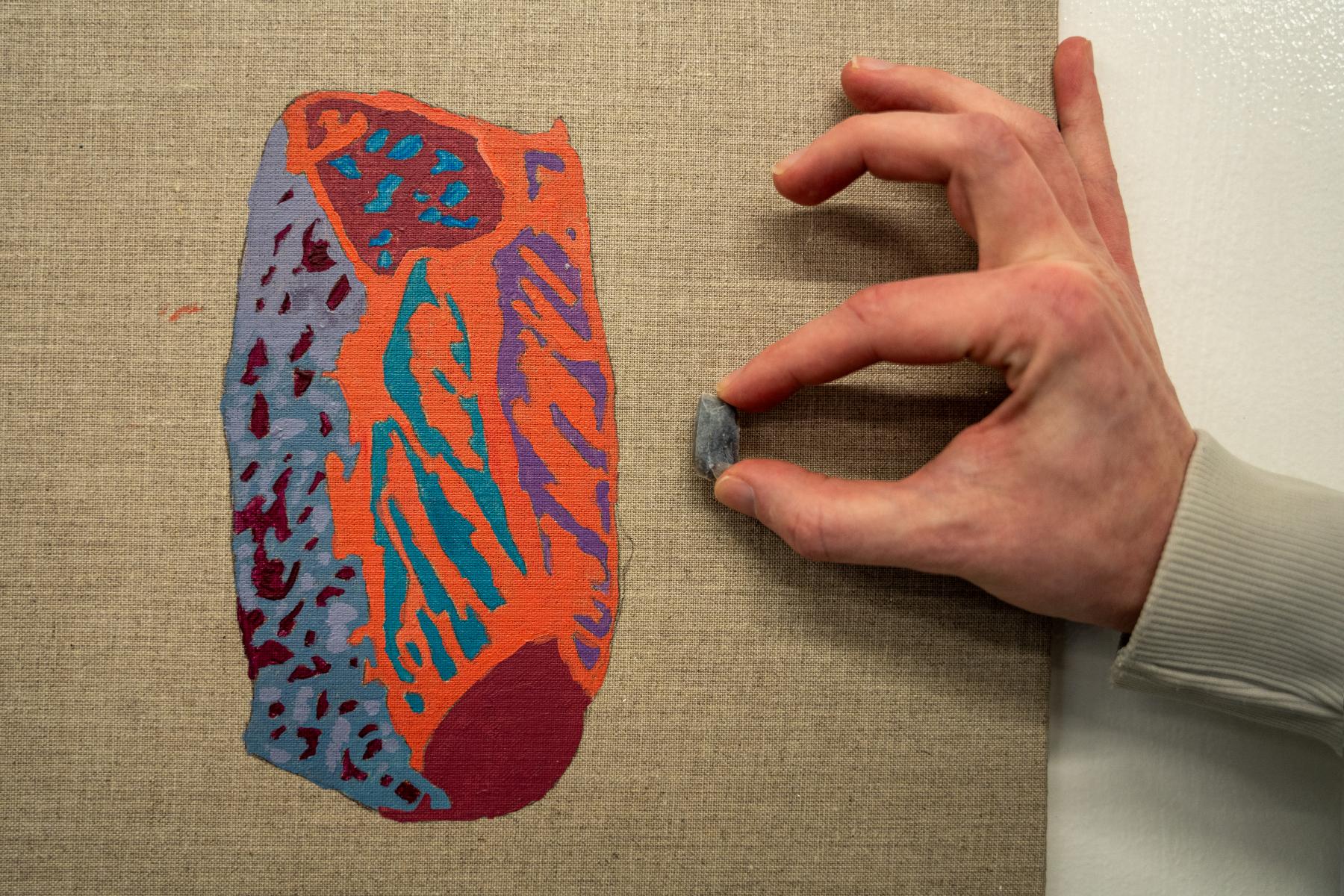
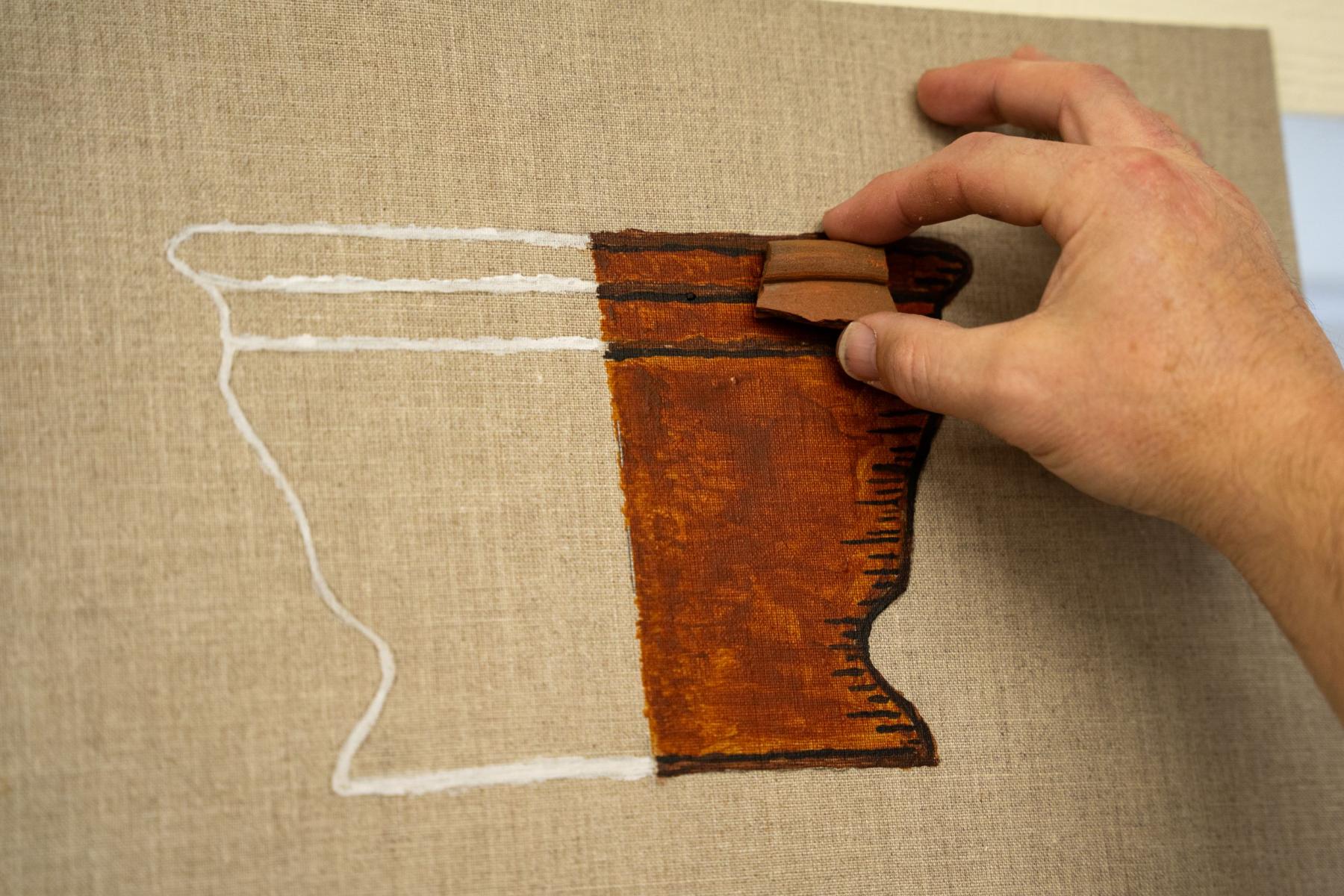
The exhibition, titled around the Digging for Erlestoke project, is scheduled to open at Wiltshire Museum on October 2 and run until November 4. It will include documentary material recording the research process, artefacts recovered during the recent excavation, artistic responses to the discoveries, and participants’ own accounts and interpretations of the experience.
The project team describes the exhibition as a way to share the excavation’s findings with the wider community while examining archaeology’s potential contribution to wellbeing in unconventional settings. The participants’ discoveries are also expected to add to the Mesolithic archaeological record of Wiltshire.
Wessex Archaeology says the project is believed to be the first of its kind. Entry fees apply at the museum, and further visitor information is available through the Wiltshire Museum website.