Archaeology.Today
Field Report

Excavation Begins at Sheffield Castle Site Ahead of Public Display

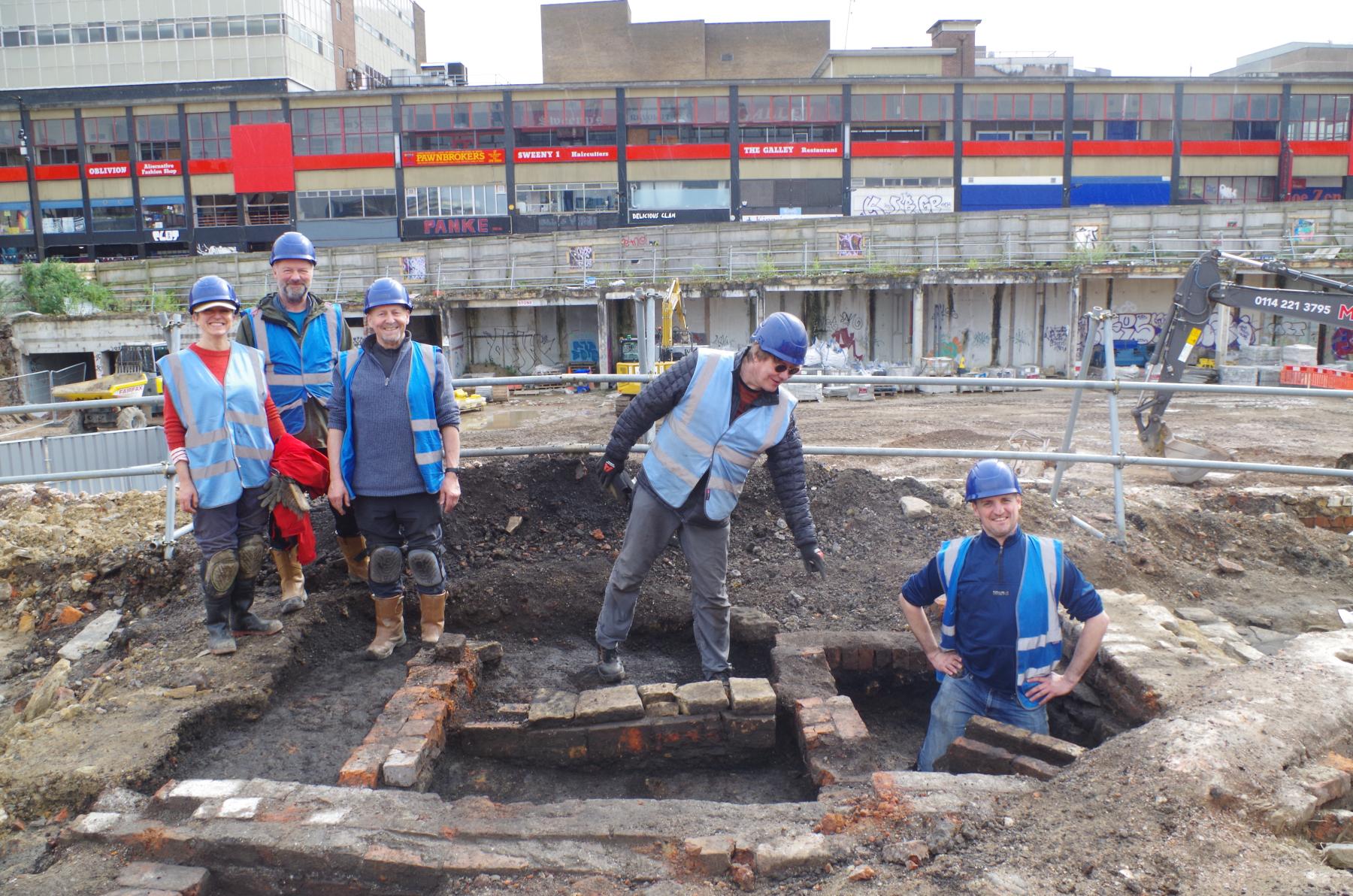
Wessex Archaeology is beginning a 10-week excavation at Sheffield Castle as part of the city’s Castlegate regeneration project. The work is expected to expose parts of the medieval gatehouse, moat and drawbridge pier, while community events will allow visitors to follow the investigation.

September 8, 2026
1 Source
Sheffield Castle
Excavation Begins at Sheffield Castle Site Ahead of Public Display
The Story

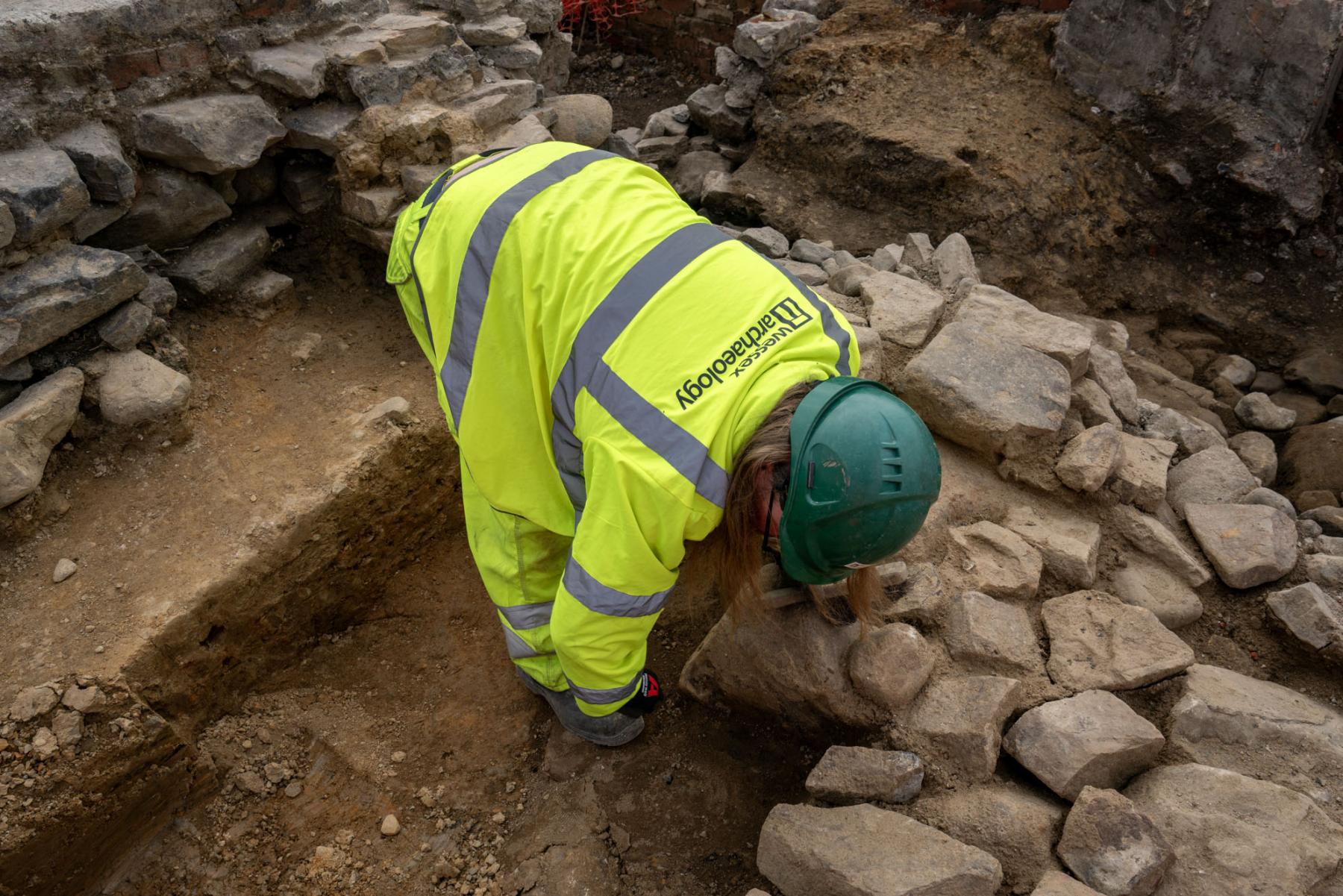
A 10-week archaeological excavation at Sheffield Castle is beginning as part of Sheffield City Council’s Castlegate regeneration project. The work, overseen by construction engineering specialists Keltbray, is intended to uncover and preserve sections of the castle’s medieval gatehouse for permanent display in a new public park.

Wessex Archaeology said the team will excavate and record about six metres of archaeological deposits. The investigation is expected to reach remains associated with the castle’s history from the 11th through the 17th centuries, including the period when Mary Queen of Scots was imprisoned there by Elizabeth I in the late 16th century.

Among the features being sought are the substantial foundations of the gatehouse’s circular towers, the moat and a pier connected with the drawbridge. The excavation will also examine evidence from later episodes at the site, including deposits linked to the destruction of the original motte-and-bailey castle by John D’Eyvill in the 13th century and remains associated with Civil War sieges involving Royalist and Parliamentarian forces.

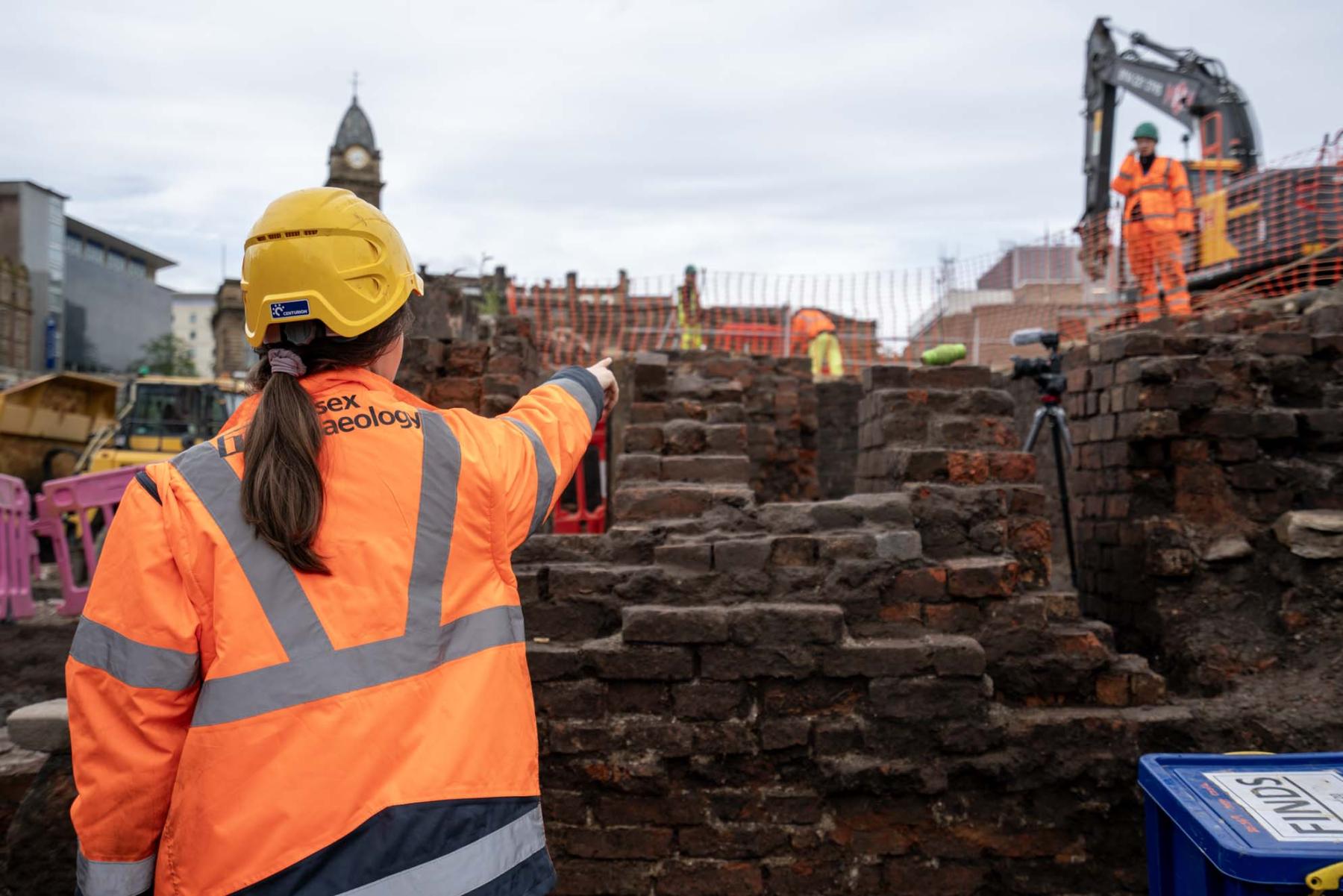
The site also preserves evidence of Sheffield’s industrial history. Archaeologists expect to investigate remains from steelworks that operated there from the early 19th century and contributed to the city’s growth.

Ashley Tuck, the archaeologist leading the excavation, said the castle had been a centre of power for more than 600 years before being left in ruins by Parliamentarians at the end of the Civil War. Tuck said the project would help researchers investigate the site’s history and bring the remains back into public view.

The castle has been investigated previously. Archaeologists uncovered parts of it during work in the 1920s and during reconstruction following the Second World War. Wessex Archaeology carried out trial excavations in 2018, revealing glimpses of the moat and castle remains. The current project is described as the most extensive excavation yet undertaken at the site.

Researchers will use modern archaeological methods and scientific techniques to study the gatehouse and other remains, including areas that have not previously been excavated. The work is intended to provide further information about the castle’s construction, its occupants and the historical events associated with it.

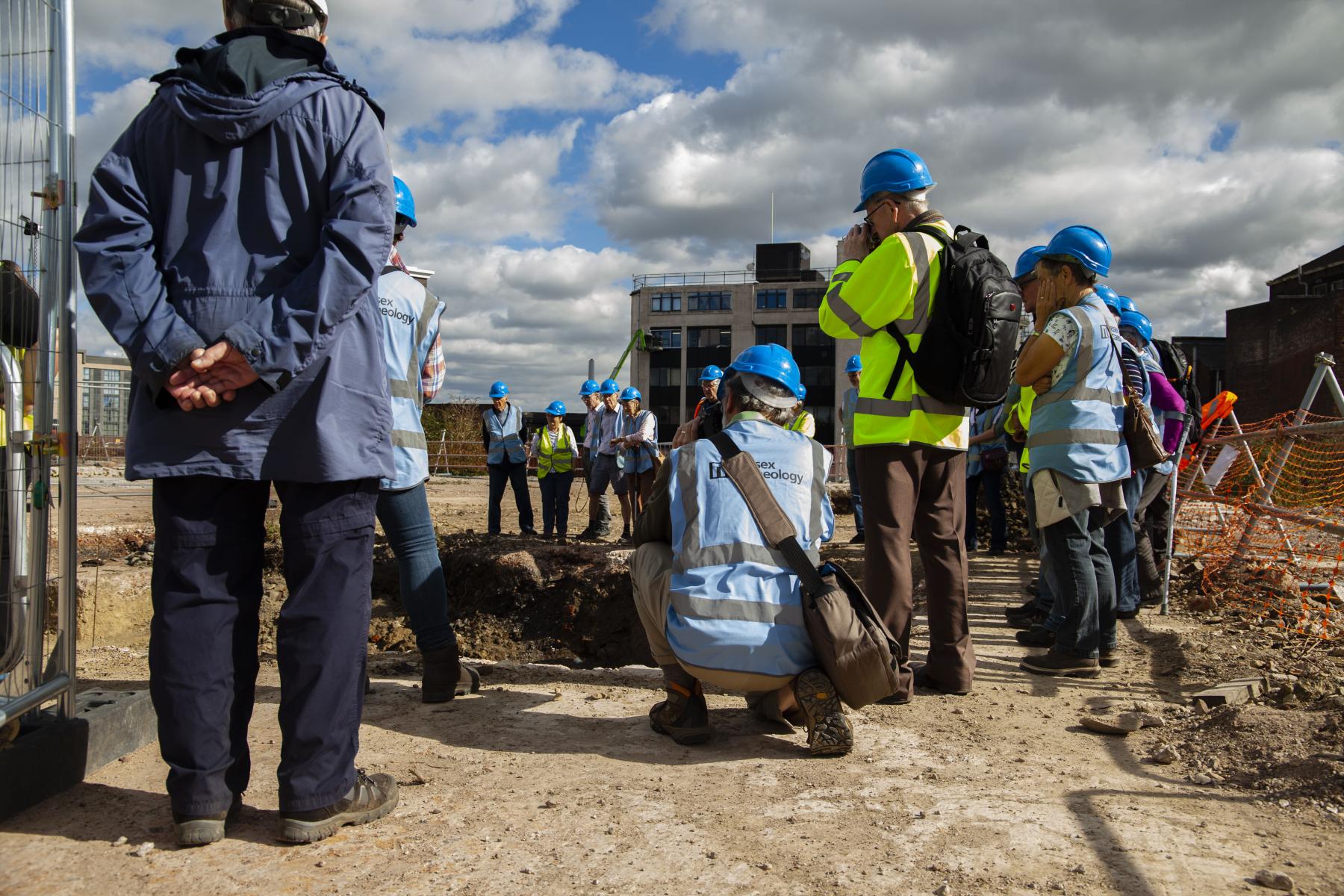
During April and May 2024, members of the public are invited to attend open days and take part in some excavation activities. The project is part of a regeneration scheme intended to make sections of the castle visible again after more than four centuries hidden from public view.
Reference Desk

Sources & Further Reading

Continue Exploring

Related Archaeology

More stories
Sheffield Castle Excavation Reveals Drawbridge Pier and Possible Earlier Phase
01
Excavations
Score 385

Sheffield Castle Excavation Reveals Drawbridge Pier and Possible Earlier Phase

Archaeologists excavating Sheffield’s former Castle Market site have uncovered a sandstone drawbridge pier, previously unknown interior walls and a six-metre-deep moat. Finds from the moat may point to an earlier phase of the castle, while archaeomagnetic dating is being used to investigate the age of its defensive mound.

Read story
Crucible Furnace Revealed in Excavation at Sheffield Castle Site
02
Excavations
Score 255

Crucible Furnace Revealed in Excavation at Sheffield Castle Site

A 10-week excavation linked to Sheffield’s Castlegate regeneration project has uncovered an previously unmapped 19th-century crucible furnace on the castle mound. The structure, including ash pits and surviving steps, adds evidence for steel production at the former Castle Hill Steel Works.

Read story
Community Dig Reveals Sheffield Castle Wall Beneath Steelworks Remains
03
Excavations
Score 195

Community Dig Reveals Sheffield Castle Wall Beneath Steelworks Remains

A 10-week community excavation at Sheffield Castle has exposed sandstone remains identified by the project team as part of the castle. Participants first documented later structures associated with the 19th-century Castle Hill Steel Works, which was built over the castle’s motte.

Read story
Prison Community Dig Reveals Mesolithic Flint and Later Finds in Wiltshire
04
Excavations
Score 105

Prison Community Dig Reveals Mesolithic Flint and Later Finds in Wiltshire

Men at HMP Erlestoke in Wiltshire have taken part in a four-week archaeological test-pitting project, uncovering Mesolithic flints alongside Romano-British and later pottery, 18th-century glass and a clay-pipe fragment. The project also links archaeology with education, rehabilitation and creative work inside the prison.

Read story
Digging for Erlestoke Project Showcases Prison Archaeology in Film and Exhibition
05
Museums
Score 85

Digging for Erlestoke Project Showcases Prison Archaeology in Film and Exhibition

Men from HMP Erlestoke have taken part in a professional archaeological excavation with Wessex Archaeology since 2023. A short film and exhibition at Wiltshire Museum will present their experiences alongside finds including Mesolithic flints, Romano-British pottery, medieval pottery fragments, 18th-century glass and a clay-pipe fragment.

Read story
Excavations Recast the Date of Galich’s Lost Lower Fortress
06
Archaeological Science
Score 75

Excavations Recast the Date of Galich’s Lost Lower Fortress

LiDAR mapping and 2026 excavations at Galich’s Lower Settlement found defensive earthworks and artifacts mainly dating to the 14th and 15th centuries. The evidence challenges its traditional identification as a 12th-century fortress and points instead to construction around the mid-15th century, possibly amid a dynastic conflict.

Read story