Archaeology.Today
Field Report

5,000-Year-Old Solstice Alignment Found Near Stonehenge

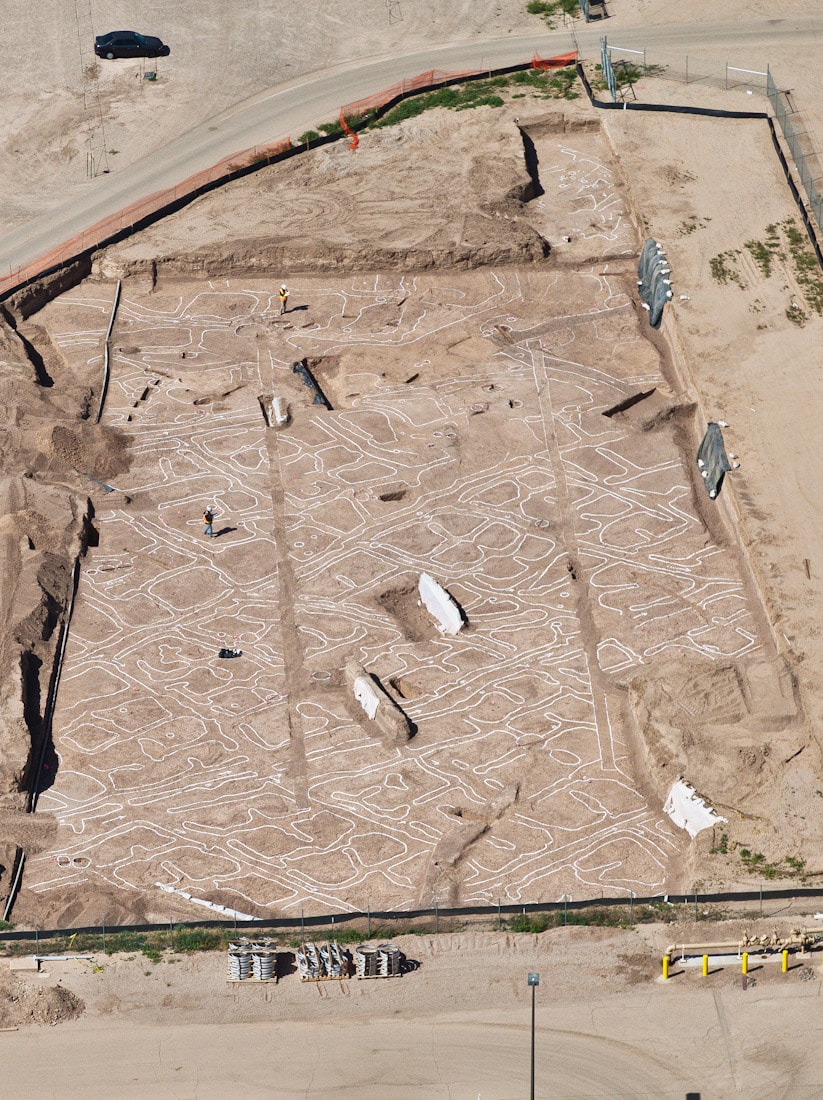
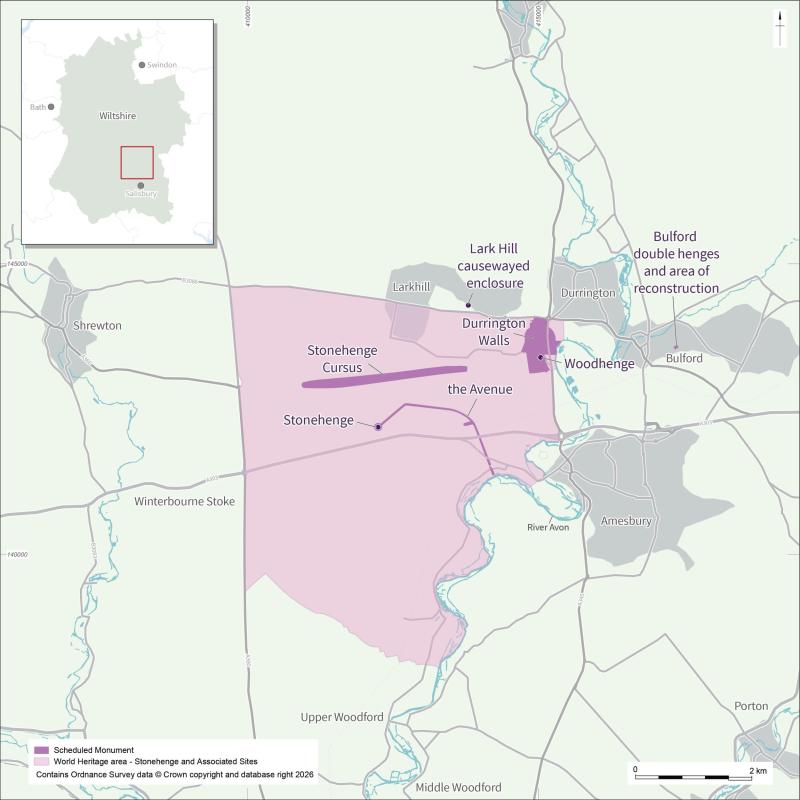
Excavations at Bulford, about 5 kilometers from Stonehenge, have identified 48 pits dating to around 2950 BC. Analysis suggests two wooden poles once stood 120 meters apart, forming an alignment with the summer and winter solstices roughly 500 years before Stonehenge’s stones were arranged.

September 3, 2026
1 Source
Bulford
5,000-Year-Old Solstice Alignment Found Near Stonehenge
The Story

A prehistoric structure discovered at Bulford in Wiltshire may represent the earliest known solstice alignment in the Stonehenge landscape, according to Wessex Archaeology. Radiocarbon dating places the site at around 2950 BC, approximately 500 years before the alignment of the stones at Stonehenge.

The structure was identified through 48 pits uncovered during excavations carried out between 2015 and 2017. The pits are thought to have held two wooden poles positioned about 120 meters apart. Analysis conducted for Wessex Archaeology by skyscape archaeologist Fabio Silva indicates that the line between them would have pointed toward the rising sun at the summer solstice and the setting sun at the winter solstice, with an accuracy of about one degree.

Only the postholes remain, and the site is not accessible to the public. It was found during archaeological work south of the Salisbury Plain Training Area, ahead of construction connected with the Ministry of Defence’s Army Basing Programme. Bulford lies about 5 kilometers from Stonehenge.

The excavation also produced pottery, animal bone, worked flints and charcoal. Wessex Archaeology says the evidence suggests that large gatherings took place at the site over a relatively short period, potentially involving feasting and ceremonies connected with the solar cycle. One pit, possibly a viewing station, contained a rare disc-shaped flint knife. Its deliberate placement may have carried a symbolic association with the sun disc, although that interpretation remains tentative.

The site was contemporary with the earliest phase of Stonehenge, when its first earthworks were built. The excavation team suggests that a comparable temporary structure may once have existed at Stonehenge, but any traces could have been removed by later construction. The Bulford evidence therefore offers a possible earlier example of practices that were later expressed through more permanent monuments.

Wessex Archaeology archaeologist Phil Harding, who led the excavations, said the discovery indicates that people in the area were tracking and celebrating the solstices long before the familiar stones were raised. Matt Leivers of Wessex Archaeology described the alignment as evidence of how prehistoric communities understood time, the cosmos and their place within it.

Silva said the find suggests Stonehenge emerged from longer-standing relationships between communities, the landscape and the sky, rather than representing an isolated creation. The discovery is scheduled to be discussed in an upcoming Prehistoric Society newsletter and in a larger publication on the Army Basing Programme findings later this year.
Reference Desk

Sources & Further Reading

Continue Exploring

Related Archaeology

More stories
Drone Survey Reveals Interior of Medieval Well at Sheffield Castle
01
Discoveries
Score 50

Drone Survey Reveals Interior of Medieval Well at Sheffield Castle

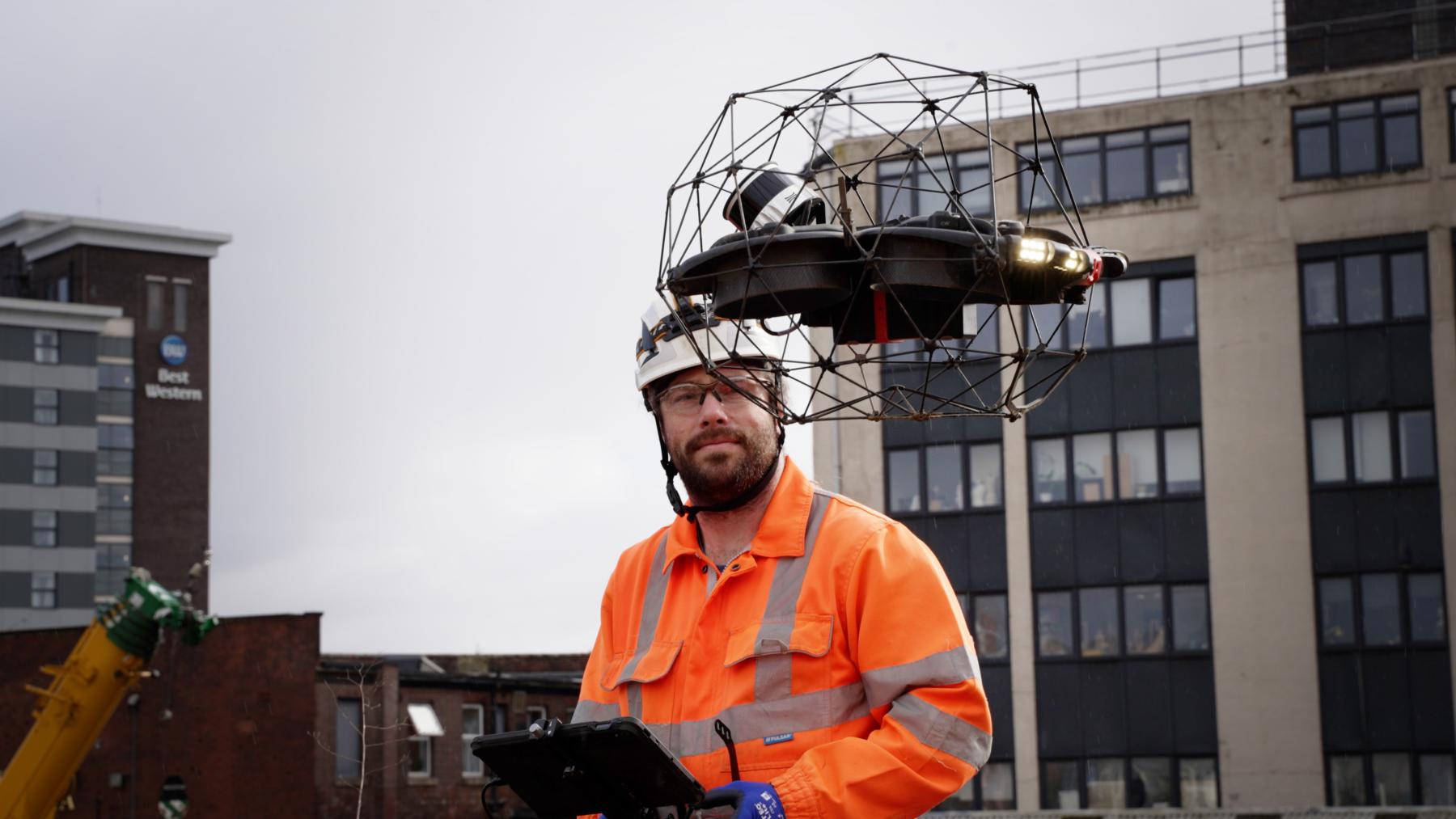
A caged drone has surveyed a 12.5-metre medieval well within Sheffield Castle’s Norman motte, producing hundreds of images for a 3D model. The work found construction details and confirmed that water remains at the bottom of the shaft.

Read story
Georgian-Era Objects Found Beneath Bath Assembly Rooms
02
Artifacts
Score 50

Georgian-Era Objects Found Beneath Bath Assembly Rooms

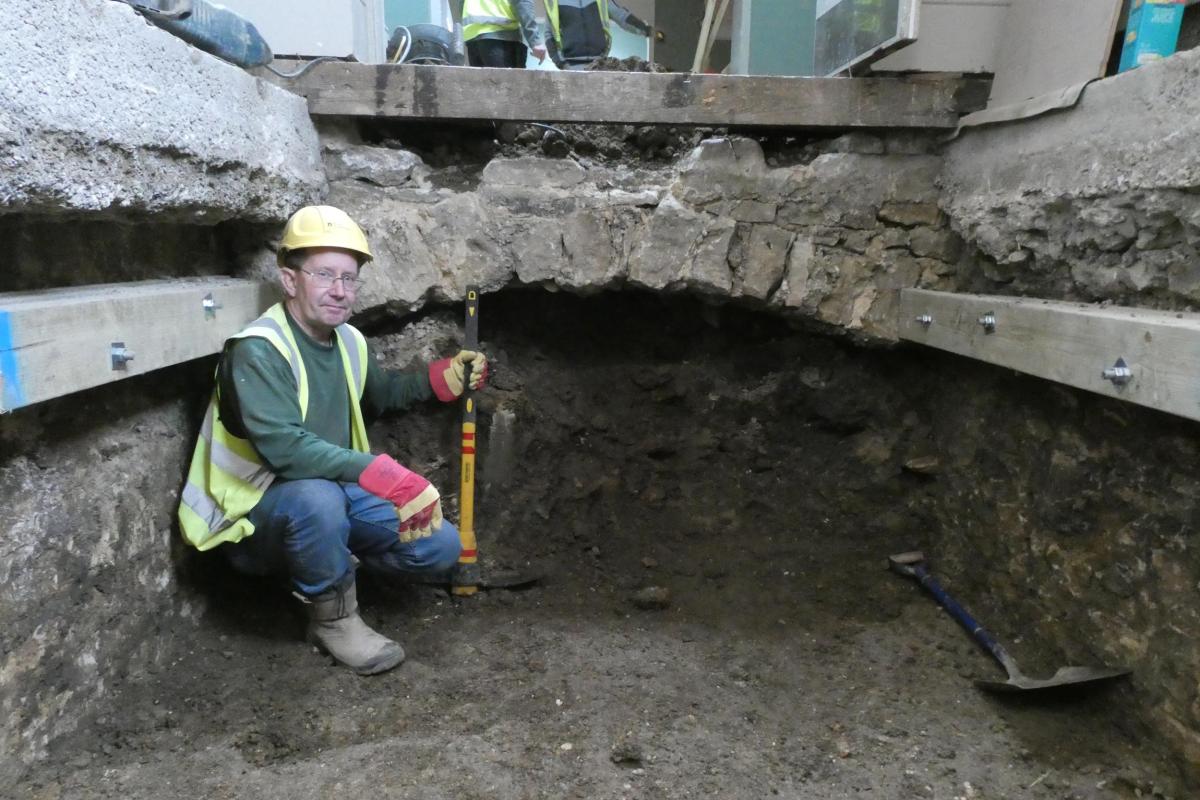
Archaeological work during restoration of Bath Assembly Rooms has uncovered beauty products, wig curlers, wine bottles and tobacco pipes. The finds offer evidence of the preparation, socializing and leisure associated with the venue, which opened in 1771 and was among Jane Austen’s favourite ballrooms.

Read story
Ancient DNA Identifies the Upton Lovell Shaman as a Woman
03
Bioarchaeology
Score 45

Ancient DNA Identifies the Upton Lovell Shaman as a Woman

Ancient DNA analysis by the Francis Crick Institute has shown that the 4,000-year-old individual known as the Upton Lovell Shaman was female, challenging a long-standing assumption based largely on the person’s presumed status. The finding illustrates how genetic research is reshaping interpretations of the ancient past.

Read story
BLM Opens Comment Period on Proposed Revocation of Chaco Land Withdrawal
04
Discoveries
Score 20

BLM Opens Comment Period on Proposed Revocation of Chaco Land Withdrawal

The Bureau of Land Management has released a draft Environmental Assessment on revoking a 10-mile minerals leasing withdrawal around Chaco Culture National Historical Park. Archaeology Southwest argues that the assessment does not adequately address potential impacts to cultural sites or incorporate Indigenous traditional knowledge.

Read story
Archaeology Southwest Highlights Threats to Section 106 and Southwest Heritage
05
Discoveries
Score 20

Archaeology Southwest Highlights Threats to Section 106 and Southwest Heritage

A roundup from Archaeology Southwest points to proposed changes to Section 106, border-barrier construction concerns in the Lower Pecos Canyonlands and Big Bend National Park, and potential development near several protected cultural landscapes.

Read story
Groups Urge Action on Lower Pecos Border Project and Section 106
06
Discoveries
Score 20

Groups Urge Action on Lower Pecos Border Project and Section 106

Archaeology Southwest is urging the public to comment on proposed border infrastructure in Texas’s Lower Pecos Canyonlands and to contact Congress about protecting Section 106 reviews. The organization says the project could affect a nationally recognized archaeological landscape and Seminole Canyon State Park.

Read story