Archaeology.Today
Field Report

Drone Survey Reveals Interior of Medieval Well at Sheffield Castle

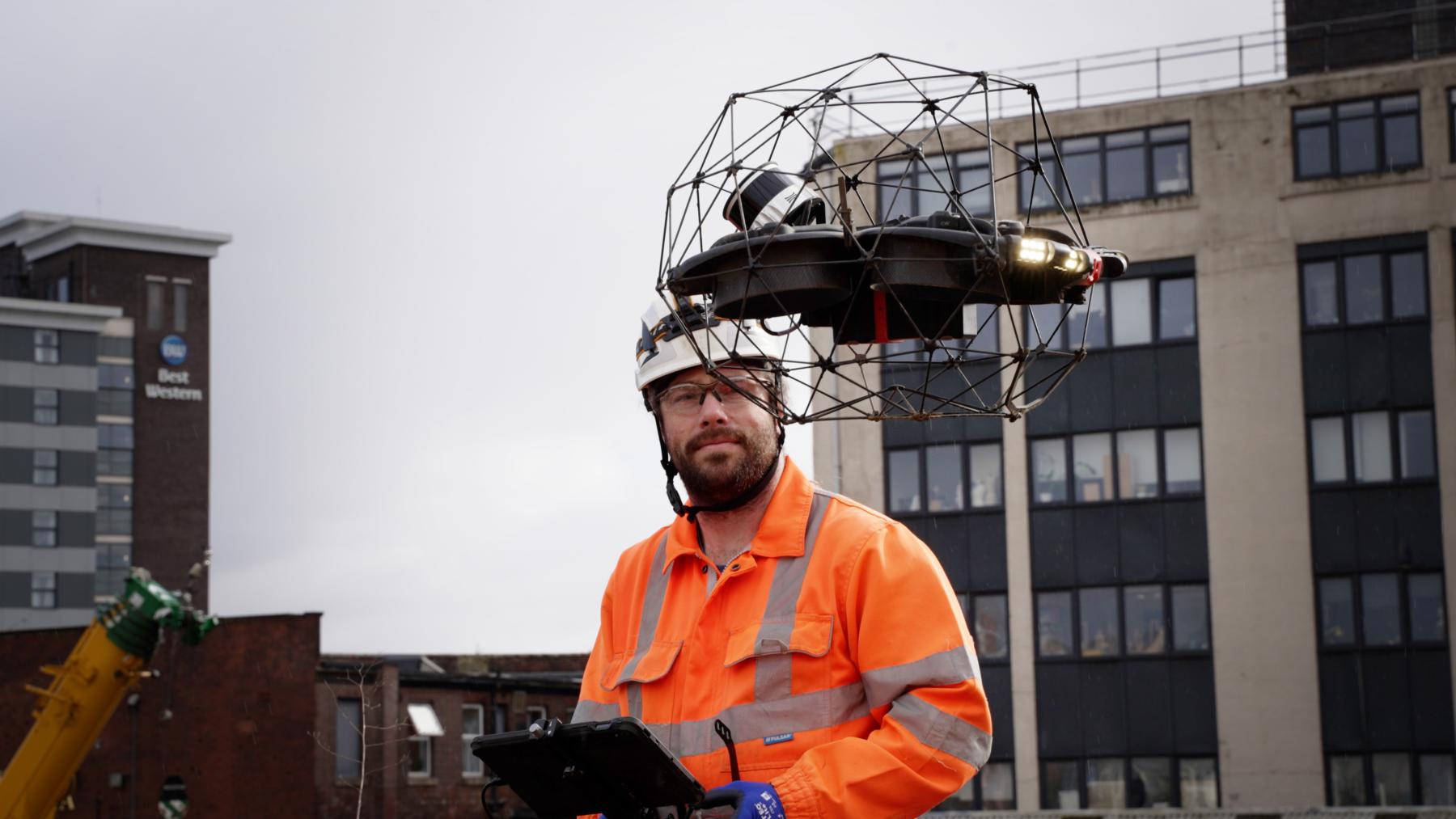
A caged drone has surveyed a 12.5-metre medieval well within Sheffield Castle’s Norman motte, producing hundreds of images for a 3D model. The work found construction details and confirmed that water remains at the bottom of the shaft.

September 3, 2026
1 Source
Sheffield Castle
Drone Survey Reveals Interior of Medieval Well at Sheffield Castle
The Story

Archaeologists have used a drone to survey the interior of a medieval well at Sheffield Castle, creating a 3D model of the 12.5-metre shaft and showing that it still contains water.

The work was carried out by Wessex Archaeology with specialist company FlyThru on behalf of Sheffield City Council. A drone enclosed in a protective cage was lowered into the well, where it captured hundreds of photographs. The resulting images reveal details of the well’s construction and its position within the castle mound, or Norman motte.

The well is lined with stones near its upper section and extends through solid bedrock. It would have supplied water inside the castle walls, supporting daily life and providing an essential resource during the sieges of the Civil War, according to Wessex Archaeology.

“This was an exciting day at Sheffield Castle,” said Ashley Tuck, a research manager at Wessex Archaeology. He said the well would have been indispensable to people living and working at the castle, particularly during a siege when access to water outside the castle boundaries could have been cut off.

The survey is part of a broader excavation connected with the redevelopment of Castlegate in Sheffield city centre. The site is being transformed into a new green space, with the castle excavation taking place alongside construction work.

The project is led by Sheffield City Council and funded by the national government, the South Yorkshire Mayoral Combined Authority and the Environment Agency. Wessex Archaeology is conducting the excavation with oversight from construction engineering specialists Aureos.

The well is expected to remain exposed so that visitors will be able to see it when the new park opens.
Reference Desk

Sources & Further Reading

Continue Exploring

Related Archaeology

More stories
Anglo-Saxon Settlement and Stone Age Tools Found in Suffolk Excavation
01
Excavations
Score 75

Anglo-Saxon Settlement and Stone Age Tools Found in Suffolk Excavation

Archaeological work linked to the East Anglia TWO project has revealed an Anglo-Saxon settlement near Friston, prehistoric stone tools and medieval kilns across more than 24 hectares in Suffolk. Researchers also found a complete flint arrowhead estimated to be 4,000–6,000 years old.

Read story
Archaeologists Record Norfolk Church Threatened by Coastal Erosion
02
Discoveries
Score 75

Archaeologists Record Norfolk Church Threatened by Coastal Erosion

A community archaeology project has documented St Mary the Virgin in Happisburgh, Norfolk, a 14th-century church now about 80 metres from the North Sea. Laser scanning, 3D photography and oral histories will preserve records of the building and its local significance if erosion eventually takes the site.

Read story
Medieval Manuscripts Preserve DNA Evidence of Sheeppox History
03
Discoveries
Score 75

Medieval Manuscripts Preserve DNA Evidence of Sheeppox History

DNA recovered from parchment, including the York Gospels and other medieval manuscripts, has helped researchers trace sheeppox virus through at least 3,500 years. Combined with evidence from Bronze Age sheep teeth, the study suggests the pathogen’s major lineages diverged during the era of animal domestication and sheep movement into Europe.

Read story
Medieval Coin Hoard of 2,600 Silver Pieces Found in Kolomna
04
Artifacts
Score 75

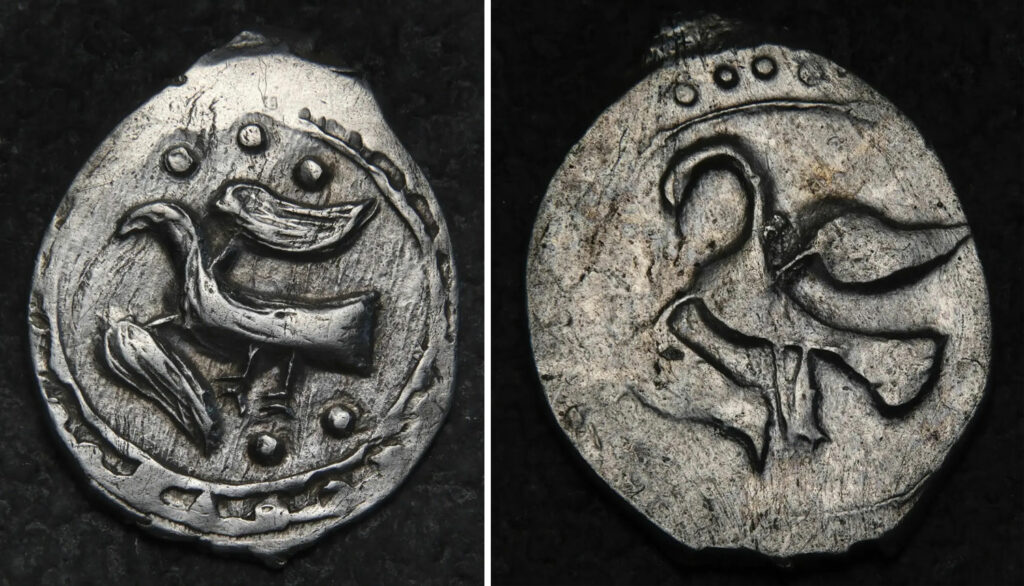
Medieval Coin Hoard of 2,600 Silver Pieces Found in Kolomna

Archaeologists have uncovered about 2,600 silver coins inside a ceramic jug in Kolomna, western Russia. Most are dengi minted by rulers of the Grand Principality of Moscow, while more than 350 appear to be previously unknown local varieties.

Read story
5,000-Year-Old Solstice Alignment Found Near Stonehenge
05
Discoveries
Score 50

5,000-Year-Old Solstice Alignment Found Near Stonehenge

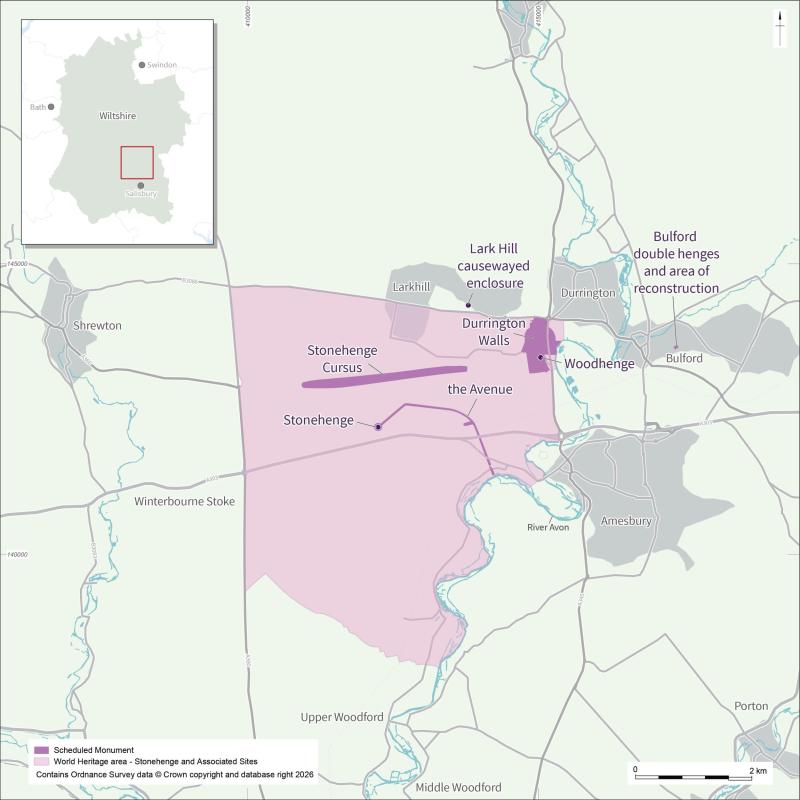
Excavations at Bulford, about 5 kilometers from Stonehenge, have identified 48 pits dating to around 2950 BC. Analysis suggests two wooden poles once stood 120 meters apart, forming an alignment with the summer and winter solstices roughly 500 years before Stonehenge’s stones were arranged.

Read story
Georgian-Era Objects Found Beneath Bath Assembly Rooms
06
Artifacts
Score 50

Georgian-Era Objects Found Beneath Bath Assembly Rooms

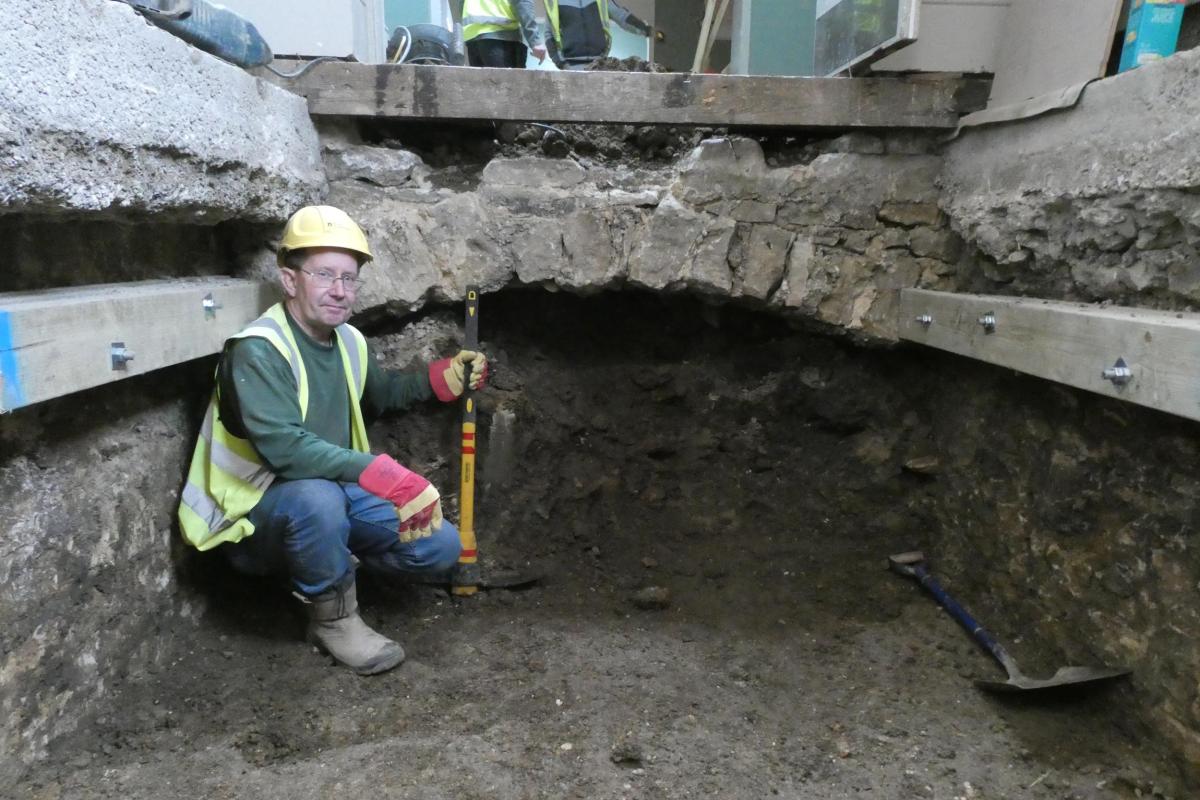
Archaeological work during restoration of Bath Assembly Rooms has uncovered beauty products, wig curlers, wine bottles and tobacco pipes. The finds offer evidence of the preparation, socializing and leisure associated with the venue, which opened in 1771 and was among Jane Austen’s favourite ballrooms.

Read story