
Archaeology.Today
Field Report

Ancient DNA Identifies the Upton Lovell Shaman as a Woman

Ancient DNA analysis by the Francis Crick Institute has shown that the 4,000-year-old individual known as the Upton Lovell Shaman was female, challenging a long-standing assumption based largely on the person’s presumed status. The finding illustrates how genetic research is reshaping interpretations of the ancient past.

September 2, 2026
1 Source
Ancient DNA Identifies the Upton Lovell Shaman as a Woman
The Story

Ancient DNA analysis has identified the Upton Lovell Shaman, a 4,000-year-old individual from what is now Wiltshire, as a woman rather than a man. The body is held by the Wiltshire Museum, and the analysis was performed at the Francis Crick Institute.

Archaeologists have interpreted the burial goods as evidence that the individual may have been an important religious leader and metalworker. Tools and other artefacts were buried with the body, but the earlier identification as male rested on considerably weaker evidence. The assumption appears to have been linked to the presumed status of the person and was rarely questioned.

The finding is part of a wider shift in archaeological research enabled by improvements in the extraction and analysis of DNA from ancient, poorly preserved remains. Since around 2010, ancient DNA research has helped investigate migration, sexual relationships, family structures, plagues and diseases.

This work has also indicated that ancient human groups moved and intermixed more often than previously thought, presenting a more dynamic picture of the past. Genetic evidence suggests that the Neolithic population associated with Stonehenge nearly disappeared only a few centuries after the arrival of the Bell Beaker people around 2400 BC. However, DNA alone cannot explain why or how such population replacement occurred.

The Upton Lovell result also highlights the limits of interpretations shaped by modern expectations. The source compares it with research on plaster casts from Pompeii that were long believed to depict a mother and child embracing. That study found that the two individuals were not related and that the adult was male; there had been no published evidence establishing either their sex or their family relationship.

Ancient DNA does not provide a complete account of the past, and it will not resolve every uncertain interpretation. But the identification of the Upton Lovell Shaman as a woman shows how scientific evidence can expose assumptions that had become accepted despite limited support. It also underscores the continuing need to distinguish archaeological evidence from interpretations imposed upon it.

Reference Desk

Sources & Further Reading

Continue Exploring

Related Archaeology

More stories
Ancient DNA Identifies Cacao Consumption at Georgia’s Etowah Site
01
Bioarchaeology
Score 40

Ancient DNA Identifies Cacao Consumption at Georgia’s Etowah Site

DNA recovered from three pottery fragments indicates that people at the Etowah Mounds consumed cacao during the 11th and 12th centuries. The finding provides evidence of cacao use east of the Mississippi River and points to connections with regions where the tropical plant grew.

Read story
Study Warns of Health Risks in Trade of Mummified Human Remains
02
Bioarchaeology
Score 20

Study Warns of Health Risks in Trade of Mummified Human Remains

A peer-reviewed study examining 128 online listings found mummified human remains, including heads, hands and feet, offered through social media, e-commerce sites and auction houses. Researchers warn that deterioration, dormant microorganisms and toxic preservation materials could endanger buyers, sellers and workers handling shipments.

Read story
LiDAR Survey Reveals More Than 20,000 Amazonian Earthworks
03
Archaeological Science
Score 20

LiDAR Survey Reveals More Than 20,000 Amazonian Earthworks

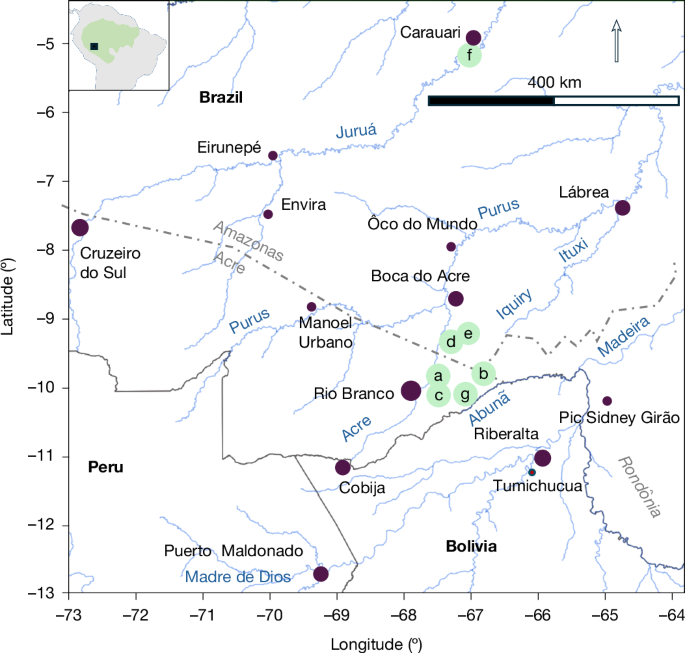
A study using canopy-penetrating LiDAR has expanded the known distribution of precolonial earthworks in southwestern Amazonia. The researchers tentatively estimate that the region’s population reached between 1.25 million and 3 million people around AD 100–300, although the estimate depends on evidence from a limited survey area.

Read story
Skeleton Found Inside Giant Roman Jar at Bulgarian Fortress
04
Bioarchaeology
Score 20

Skeleton Found Inside Giant Roman Jar at Bulgarian Fortress

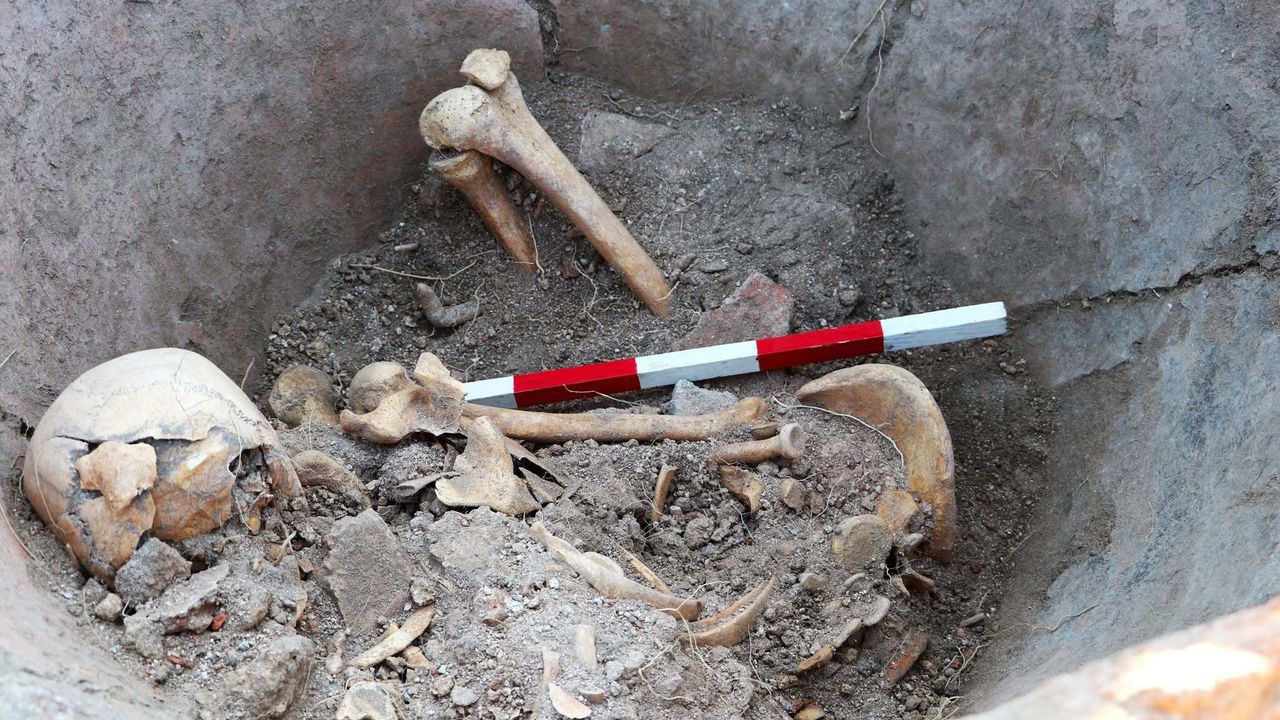
Archaeologists excavating the Roman colony of Deultum in Bulgaria found a human skeleton inside a large storage jar, or dolium. The remains may belong to a young man who sought shelter during an attack and fire around A.D. 400, but researchers have not yet established how he died.

Read story
Old Kingdom Official’s Tomb and Burial Shafts Found at Saqqara
05
Bioarchaeology
Score 20

Old Kingdom Official’s Tomb and Burial Shafts Found at Saqqara

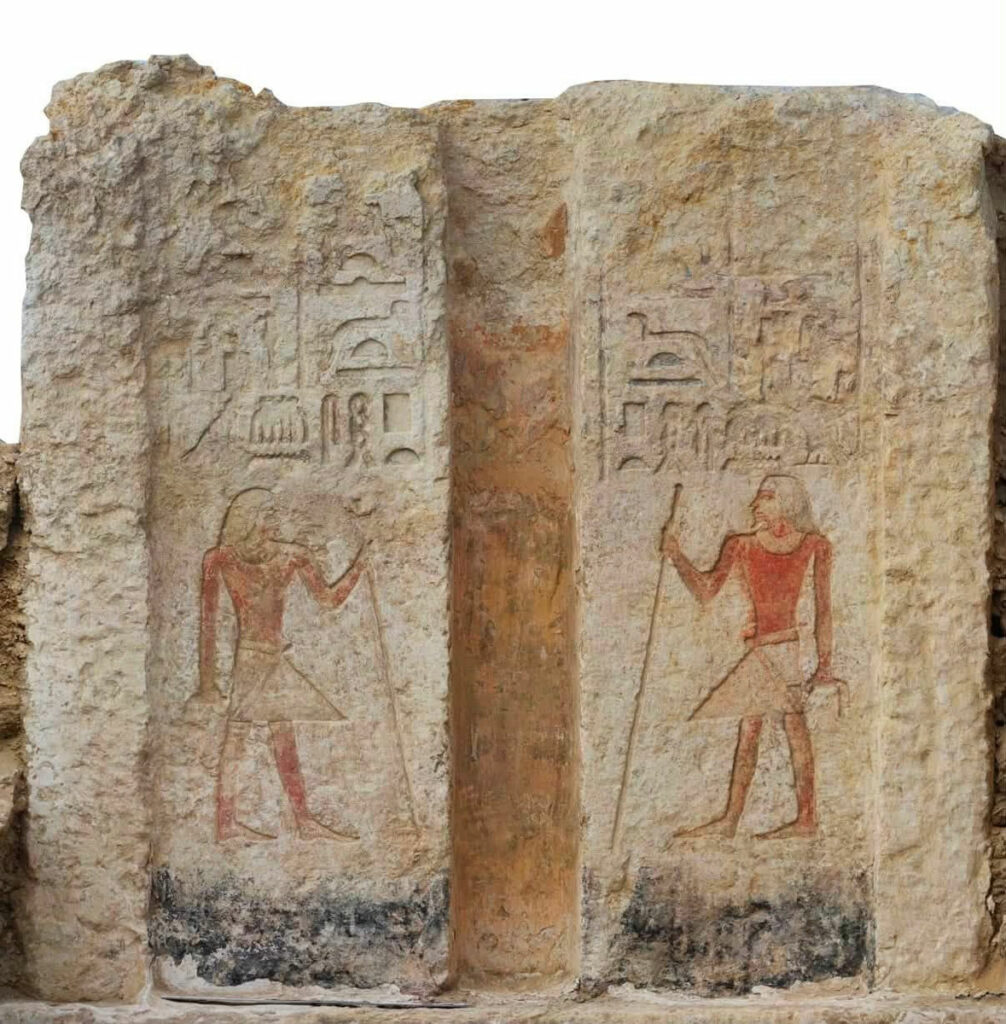
An intact tomb belonging to the high-ranking official Sekhentio-Ptah has been uncovered in Saqqara’s Bubasteion Necropolis, along with interconnected burial shafts. The discovery includes inscribed funerary elements, alabaster ritual objects, human remains and more than 100 faience ushabti figurines.

Read story
LiDAR Study Finds Ancient Maya Land Use Still Shapes Belize Forests
06
Archaeological Science
Score 20

LiDAR Study Finds Ancient Maya Land Use Still Shapes Belize Forests

A study of LiDAR data from northern Belize has identified links between forest structure and ancient Maya canals, settlements, buildings, and upland walls. The strongest relationship appeared around former wetland agricultural fields, although researchers say broader surveys are needed to determine how widely the pattern extends.

Read story