
Archaeology.Today
Field Report

Hoi An’s Pagoda Bridge Repainted After Complaints Over Modern Look

Authorities in Hoi An have repainted the Japanese Pagoda Bridge a darker color after criticism that its renovation left the 400-year-old heritage structure looking too new. The change was intended to better match the bridge’s base and restore a more historic appearance.

September 5, 2026
1 Source
Japanese Pagoda Bridge (Chua Cau)
Hoi An’s Pagoda Bridge Repainted After Complaints Over Modern Look
The Story

Authorities in Hoi An have repainted the Japanese Pagoda Bridge darker after public complaints that its recent renovation made the historic structure appear too new and modern.

The sides of the bridge were initially painted white during renovation work. Some members of the public said the color diminished the bridge’s ancient appearance and made it look out of place. On Tuesday, the unit responsible for the work applied a darker shade intended to harmonize more closely with the bridge’s base, according to Hoi An chairman Nguyen Van Son.

Known as Chua Cau, the bridge spans a small canal in Hoi An and was built by Japanese merchants about 400 years ago. It has held national historical and cultural heritage status since 1990.

The repainting follows broader restoration work prompted by deterioration to the bridge’s sides. The structure is regularly exposed to the elements and degrades quickly, despite having undergone seven rounds of renovation, according to the source report.

The color change reflects an effort to balance the needs of restoration with the appearance associated with the bridge’s historic character. The report does not provide further details about the renovation methods or whether additional work is planned.
Reference Desk

Sources & Further Reading

Continue Exploring

Related Archaeology

More stories
Intact Indigenous Pot Found at Historic Florida Mission Site
01
Discoveries
Score 20

Intact Indigenous Pot Found at Historic Florida Mission Site

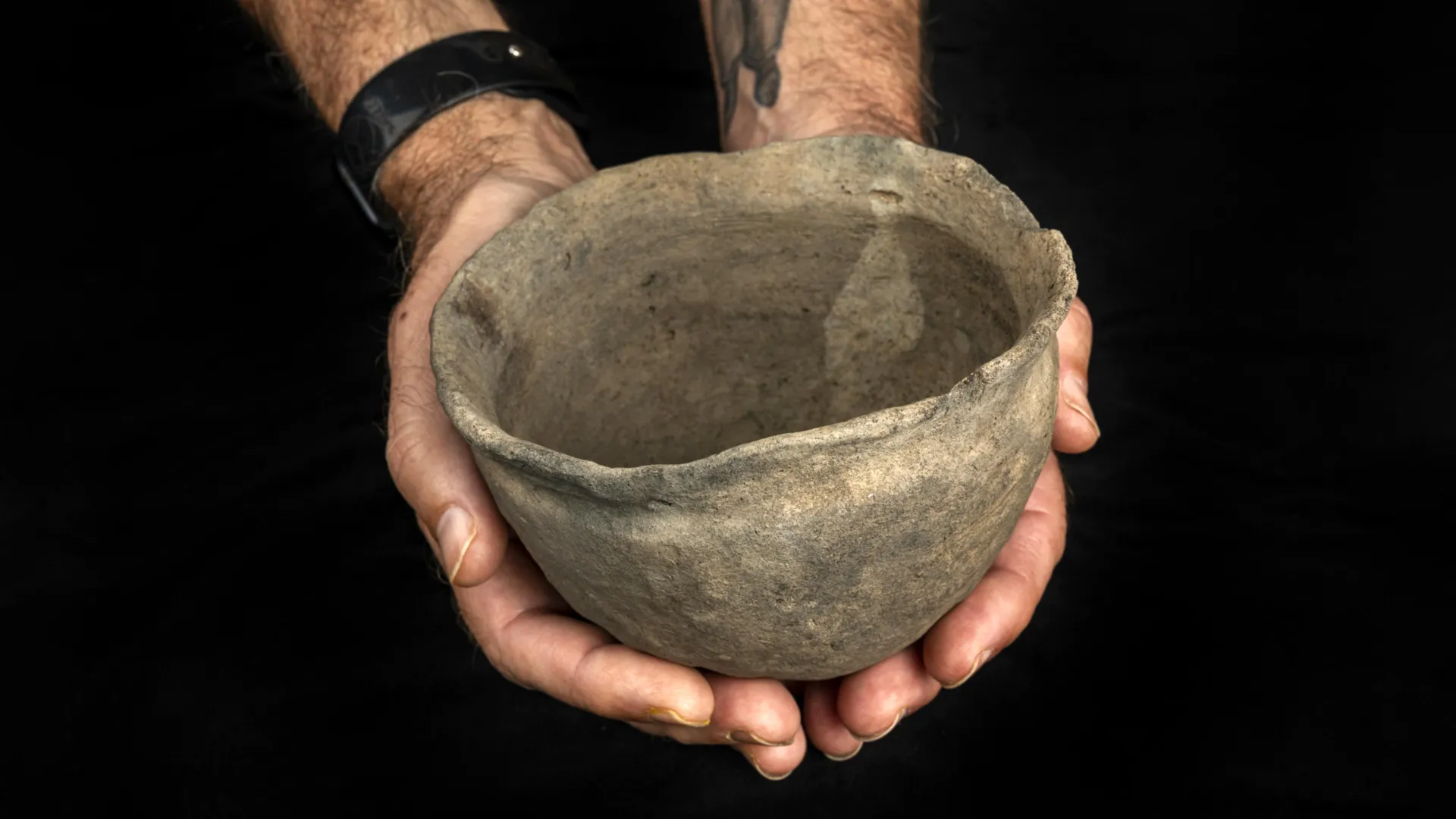
University of Florida students uncovered a small, undecorated clay vessel at Mission San Francisco de Potano, a former 17th-century mission and Potano-Timucua village near Gainesville. The pot is roughly 400 years old and appears to have been deliberately placed in a pit, though its purpose remains unknown.

Read story
Kenyan Footprints Suggest Large Groups of Paranthropus Traveled Together
02
Discoveries
Score 20

Kenyan Footprints Suggest Large Groups of Paranthropus Traveled Together

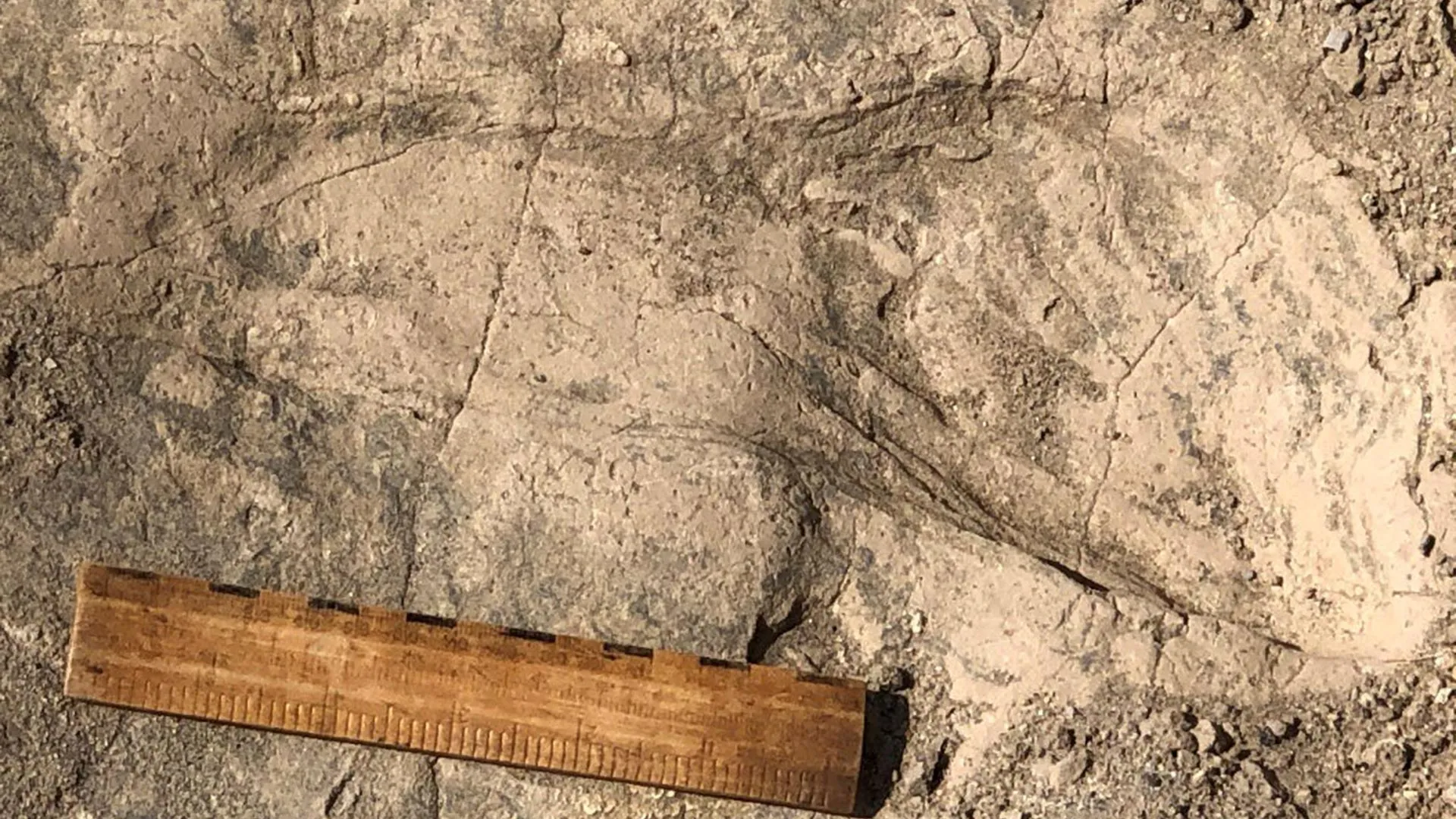
A 1.4-million-year-old footprint trail near Kenya’s Lake Turkana appears to preserve the movements of eight Paranthropus boisei individuals. Track size suggests that some reached up to 1.8 meters in height and about 75 kilograms, while the arrangement may offer rare evidence of group behavior.

Read story
Archaeological Fragments Identify a December 1957 Detroit Newspaper
03
Discoveries
Score 20

Archaeological Fragments Identify a December 1957 Detroit Newspaper

Newspaper fragments recovered from a mid-20th-century midden at Michigan State University have been identified as pages from the December 12, 1957, Detroit Free Press. Differences between the excavated material and a digitized copy suggest the fragments may come from another edition of that day’s paper.

Read story
Small Glass Pieces Recalled as Possible Privacy Windows at Island School
04
Discoveries
Score 20

Small Glass Pieces Recalled as Possible Privacy Windows at Island School

Tiny pieces of glass shown at the Island school site prompted a former student to recall small, high bathroom windows that admitted light while preserving privacy. The recollection offers a possible interpretation of how the glass may have been used.

Read story
Restoration Underway at Ninth-Century Trapeang Phong Temple
05
Discoveries
Score 20

Restoration Underway at Ninth-Century Trapeang Phong Temple

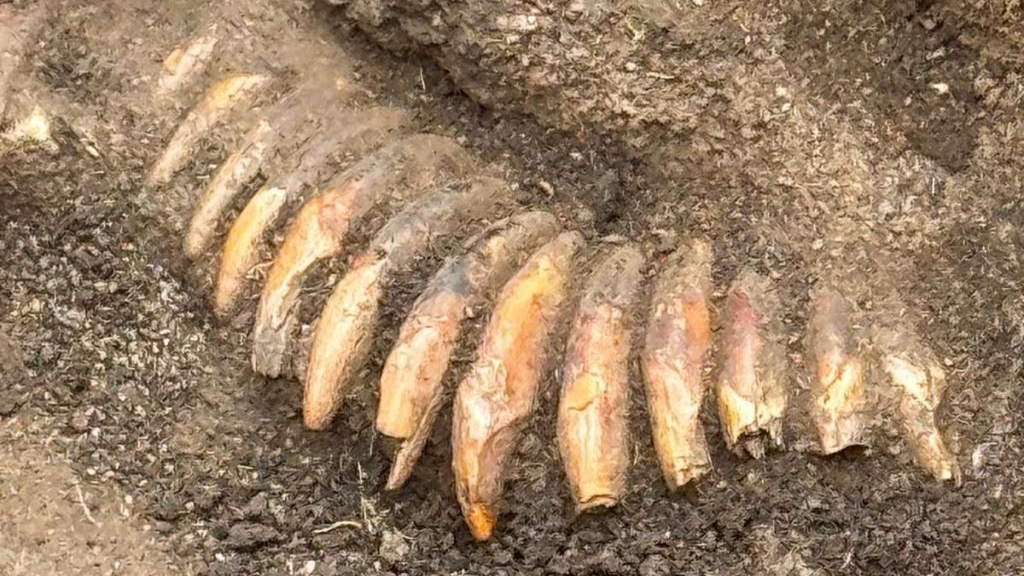
Cambodia’s APSARA National Authority has begun restoring Trapeang Phong temple in Angkor Archaeological Park, where weather and age have caused structural deterioration. The work will proceed in two phases, beginning with repairs to the western section and moving from the foundation upward.

Read story
Stone Age Burial in Poland Contains Tooth Necklace and Human Skull Remains
06
Bioarchaeology
Score 20

Stone Age Burial in Poland Contains Tooth Necklace and Human Skull Remains

Archaeologists excavating a Roman-period cemetery near Wrocław uncovered an older burial dating to around 2900 B.C. The nearly complete skeleton of an adult man was accompanied by a serpentinite battle ax, amber beads, a flint blade, a 42-tooth necklace and two human skulls that may represent decapitated heads.

Read story