Archaeology.Today
Field Report

Skeleton Found Inside Giant Roman Jar at Bulgarian Fortress

Archaeologists excavating the Roman colony of Deultum in Bulgaria found a human skeleton inside a large storage jar, or dolium. The remains may belong to a young man who sought shelter during an attack and fire around A.D. 400, but researchers have not yet established how he died.

September 2, 2026
1 Source
Deultum
Skeleton Found Inside Giant Roman Jar at Bulgarian Fortress
The Story

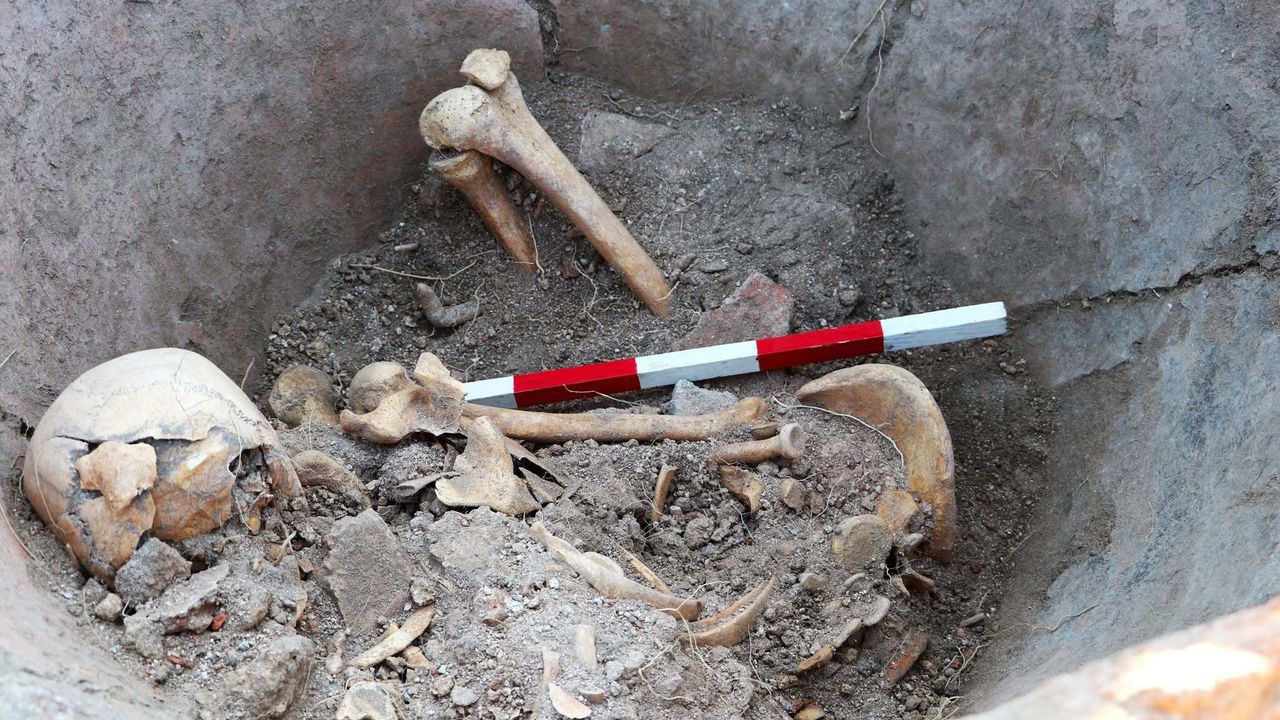
A human skeleton discovered inside a giant Roman storage jar may preserve the remains of a man who took refuge during an attack on the Bulgarian city of Deultum approximately 1,600 years ago. Archaeologists found the vessel in the northern turret of the settlement’s western Roman gate on Aug. 10.

The jar was a dolium, a large ceramic container used in antiquity to store products such as olive oil and wine. Although some dolia could hold more than 260 gallons (1,000 liters), the surviving lower portion of the vessel at Deultum measured about 3 feet (1 meter) across.

The skeleton was accompanied by two iron knives and a belt. Lead excavator Lyudmil Vagalinski of the Bulgarian Academy of Sciences told Live Science that the individual was presumably a young man. One knife was found between his legs, while the other remained in his belt—an arrangement Vagalinski said could indicate that he was prepared to defend himself if attackers discovered him.

The excavation area contained extensive evidence of destruction, including ashes, coals, broken bricks and roof tiles, blackened walls, melted glass and burned animal bones. Archaeologists also recovered numerous bronze coins that may have been lost during the disorder. Based on this context, the team believes residents may have brought livestock into the fortified area when an attack appeared imminent.

Vagalinski said the man may have climbed into the empty dolium after the fire had already started. Ashes beneath the skeleton support that possibility, although the cause of the fire and the specific conflict remain unknown. Deultum faced attacks by East Germanic tribes and Huns during the fourth and fifth centuries, but the discovery cannot currently be linked to a particular battle.

The position of the remains resembles that of a sleeping person, and researchers found no indication that the individual tried to leave the vessel. The team’s preliminary dating places the destruction around A.D. 400.

After the attack, inhabitants apparently leveled the damaged turret and built a higher floor over it without realizing that the body remained inside the jar. The remains have been transferred to Sofia for examination by a physical anthropologist. Archaeologists plan to return next summer to investigate more of the western gate, which dates to approximately A.D. 300, and continue work on the turret.

Reference Desk

Sources & Further Reading

Continue Exploring

Related Archaeology

More stories
Roman Shipwreck Carrying Hundreds of Amphorae Found off Sicily
01
Underwater Archaeology
Score 105

Roman Shipwreck Carrying Hundreds of Amphorae Found off Sicily

Italy’s Carabinieri cultural heritage protection unit has located a Roman shipwreck about three miles off Mazara del Vallo, Sicily. The approximately 2,100-year-old vessel contains around 500 amphorae, along with parts of anchors, and will undergo further scientific documentation.

Read story
Fragments Reveal Previously Unknown Fourth-Century Roman Law Book
02
Artifacts
Score 105

Fragments Reveal Previously Unknown Fourth-Century Roman Law Book

A University of Cincinnati scholar and the Penn Museum have joined 50 animal-skin fragments into a double-sided page from a late-fourth-century Roman legal text. The Latin manuscript discusses taxation and public infrastructure but does not match any previously known imperial legal code.

Read story
LiDAR Survey Reveals More Than 20,000 Amazonian Earthworks
03
Archaeological Science
Score 40

LiDAR Survey Reveals More Than 20,000 Amazonian Earthworks

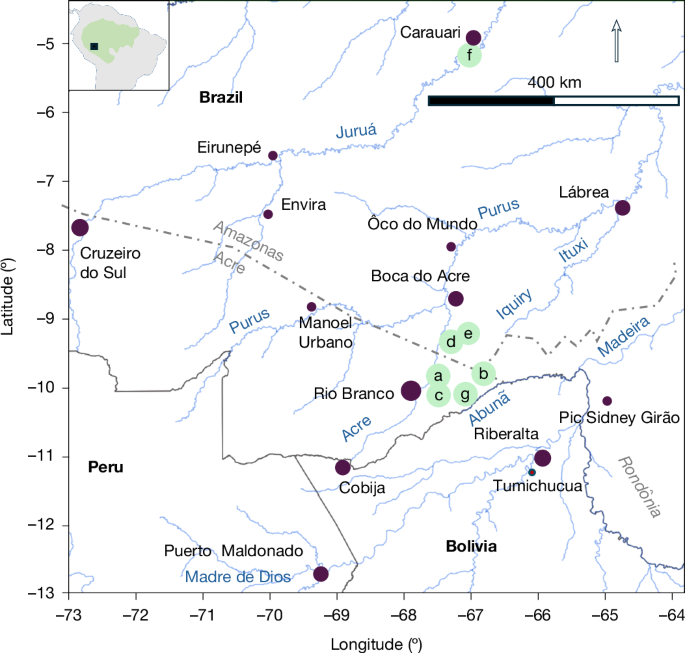
A study using canopy-penetrating LiDAR has expanded the known distribution of precolonial earthworks in southwestern Amazonia. The researchers tentatively estimate that the region’s population reached between 1.25 million and 3 million people around AD 100–300, although the estimate depends on evidence from a limited survey area.

Read story
Old Kingdom Official’s Tomb and Burial Shafts Found at Saqqara
04
Bioarchaeology
Score 40

Old Kingdom Official’s Tomb and Burial Shafts Found at Saqqara

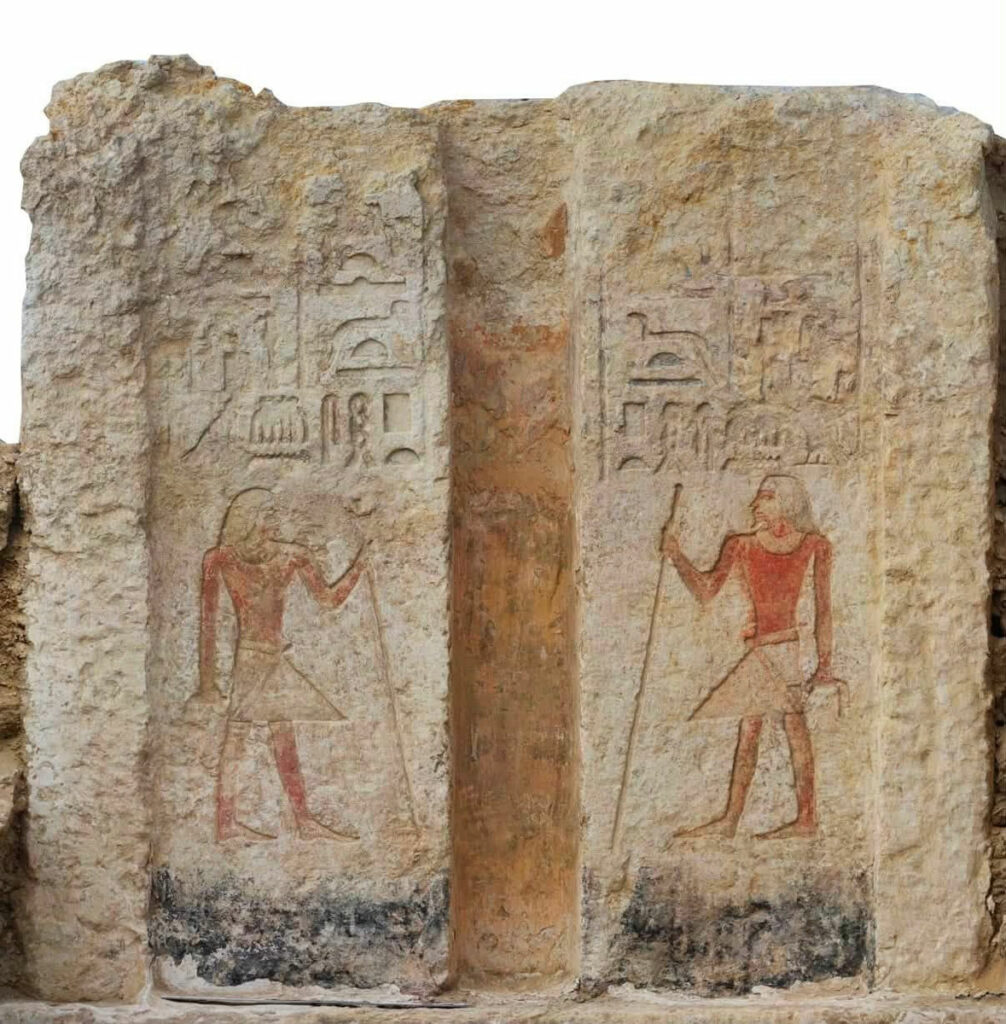
An intact tomb belonging to the high-ranking official Sekhentio-Ptah has been uncovered in Saqqara’s Bubasteion Necropolis, along with interconnected burial shafts. The discovery includes inscribed funerary elements, alabaster ritual objects, human remains and more than 100 faience ushabti figurines.

Read story
Denmark’s Largest Known Viking Age Silver Hoard Found in a Backyard
05
Artifacts
Score 40

Denmark’s Largest Known Viking Age Silver Hoard Found in a Backyard

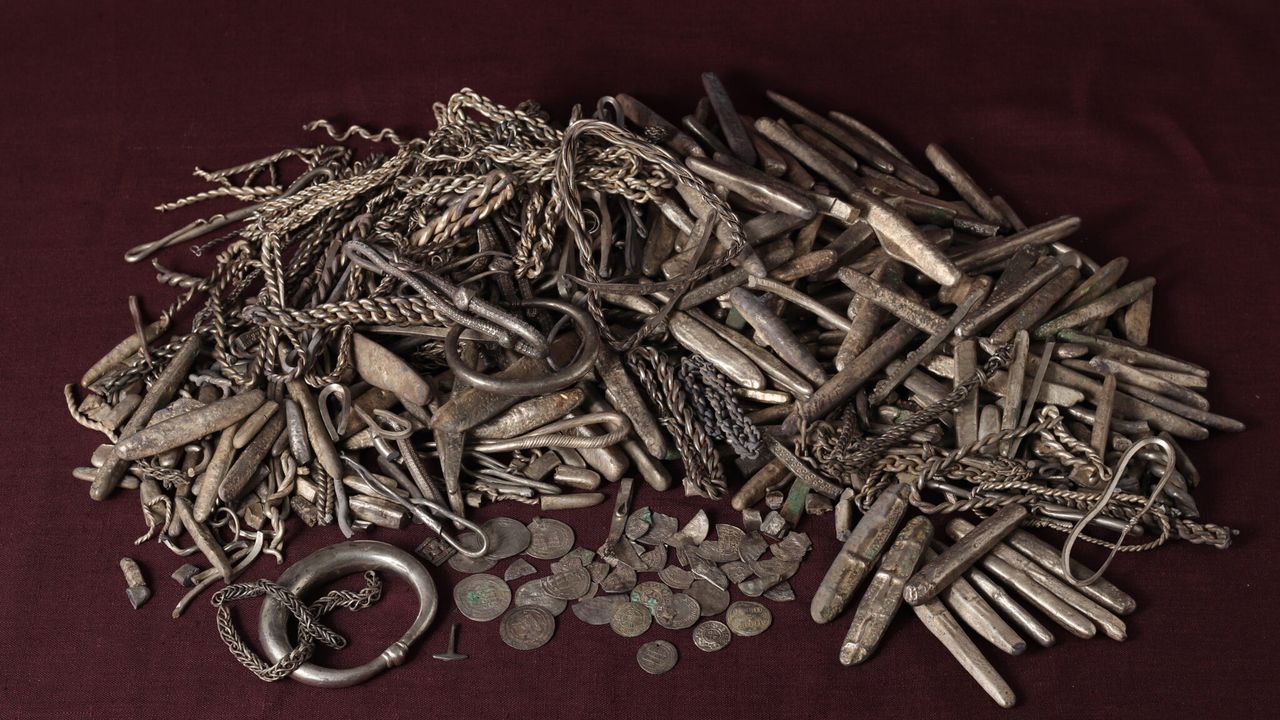
A homeowner in Rebild discovered about 18.5 kilograms of silver while preparing a terrace. The roughly 1,100-year-old hoard contains around 700 objects, including coins, bars, jewelry and a small Thor’s hammer, and is nearly three times larger than Denmark’s previous largest known Viking Age silver hoard.

Read story
LiDAR Study Finds Ancient Maya Land Use Still Shapes Belize Forests
06
Archaeological Science
Score 40

LiDAR Study Finds Ancient Maya Land Use Still Shapes Belize Forests

A study of LiDAR data from northern Belize has identified links between forest structure and ancient Maya canals, settlements, buildings, and upland walls. The strongest relationship appeared around former wetland agricultural fields, although researchers say broader surveys are needed to determine how widely the pattern extends.

Read story