Archaeology.Today
Field Report

Denmark’s Largest Known Viking Age Silver Hoard Found in a Backyard

A homeowner in Rebild discovered about 18.5 kilograms of silver while preparing a terrace. The roughly 1,100-year-old hoard contains around 700 objects, including coins, bars, jewelry and a small Thor’s hammer, and is nearly three times larger than Denmark’s previous largest known Viking Age silver hoard.

September 2, 2026
1 Source
Denmark’s Largest Known Viking Age Silver Hoard Found in a Backyard
The Story

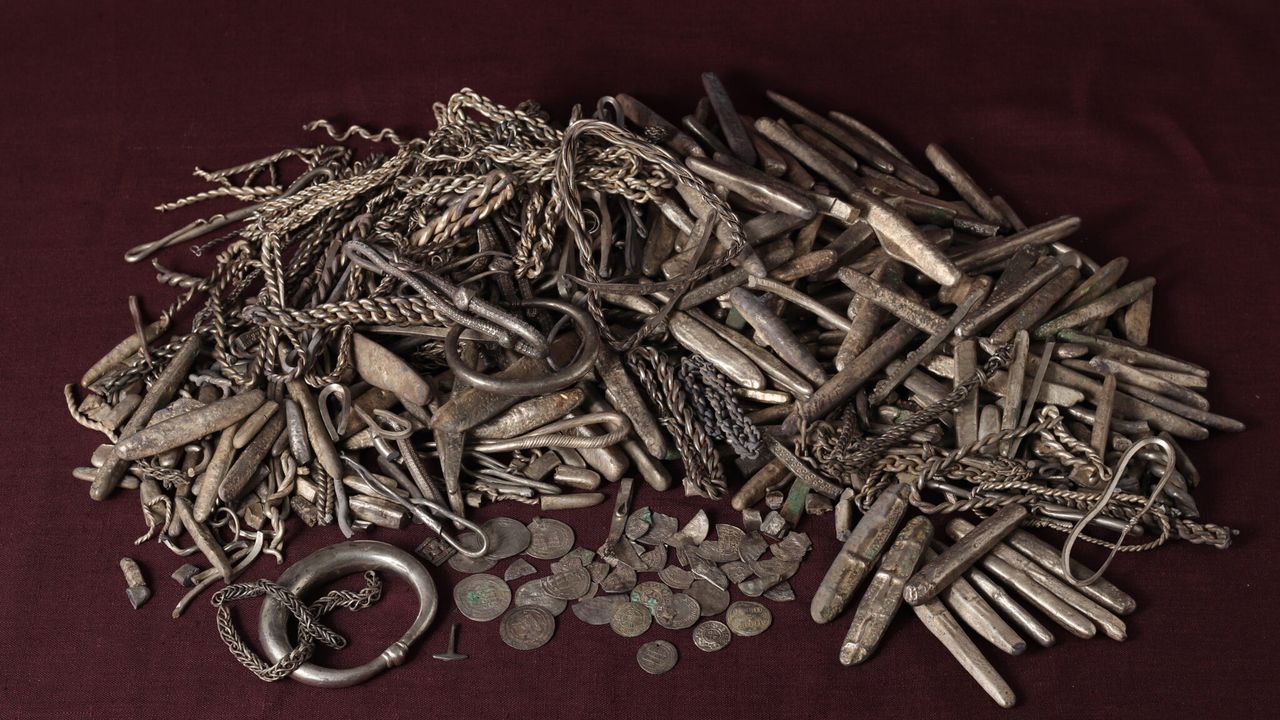
A homeowner preparing to build a terrace in the municipality of Rebild, Denmark, has discovered the country’s largest known Viking Age silver hoard. The find, uncovered this past spring, contains more than 40 pounds (18.5 kilograms) of silver and approximately 700 objects dating to roughly 1,100 years ago.

According to Live Science, the discovery began when the homeowner struck something that produced an unusual sound while removing grass, stones and gravel. The hoard included silver bars, jewelry, 47 complete coins and coin fragments, as well as a small Thor’s hammer. Such hammers have often been interpreted as protective objects and possible signs of belief in the Norse gods, although the source does not establish the specific meaning of this example.

Around 320 objects were packed inside a clay vessel, while the remaining pieces were found in the surrounding soil. The hoard is nearly three times larger than the previous largest Viking Age silver hoard known from Denmark, according to a translated statement cited by the report.

The coins provide an approximate date. Two Anglo-Saxon silver pennies were minted during the reign of King Edward the Elder, who ruled from 899 to 924, suggesting that the collection was buried sometime in the 10th century. The hoard also contains Islamic coins, pointing to connections between Viking Age Denmark, other parts of Europe and distant eastern regions.

One silver bar bears a runic inscription that might read “hutu.” Researchers say this could be a personal name or an owner’s mark. The objects also appear to have been organized according to weight. Silver bars, along with some bracelets and fragments, can be grouped into particular weight categories, indicating that the collection was a structured store of wealth rather than a random accumulation.

Torben Sarauw, cultural heritage manager at the North Jutland Museums, compared the find to a Viking Age safe and said it demonstrates how silver functioned both as wealth and as a means of payment.

The reason the hoard was buried remains unknown. It could have been hidden near a settlement, beside a road that no longer exists, or in a secluded location. Archaeological investigations that might clarify its context are considered impossible because the discovery area is now developed. The hoard is being submitted to the National Museum of Denmark for assessment.


Reference Desk

Sources & Further Reading

Continue Exploring

Related Archaeology

More stories
LED Imaging Reveals Hidden Soil Differences at Danish Excavation
01
Excavations
Score 65

LED Imaging Reveals Hidden Soil Differences at Danish Excavation

A multispectral imaging system developed by Aarhus University and Moesgaard Museum uses 16 LED wavelengths to expose archaeological soil differences that ordinary photographs may miss. Tested at the Iron Age site of Sorte Muld, the system also made small bone fragments easier to detect under ultraviolet light.

Read story
Roman Shipwreck Carrying Hundreds of Amphorae Found off Sicily
02
Underwater Archaeology
Score 60

Roman Shipwreck Carrying Hundreds of Amphorae Found off Sicily

Italy’s Carabinieri cultural heritage protection unit has located a Roman shipwreck about three miles off Mazara del Vallo, Sicily. The approximately 2,100-year-old vessel contains around 500 amphorae, along with parts of anchors, and will undergo further scientific documentation.

Read story
Fragments Reveal Previously Unknown Fourth-Century Roman Law Book
03
Artifacts
Score 60

Fragments Reveal Previously Unknown Fourth-Century Roman Law Book

A University of Cincinnati scholar and the Penn Museum have joined 50 animal-skin fragments into a double-sided page from a late-fourth-century Roman legal text. The Latin manuscript discusses taxation and public infrastructure but does not match any previously known imperial legal code.

Read story
LiDAR Survey Reveals More Than 20,000 Amazonian Earthworks
04
Archaeological Science
Score 40

LiDAR Survey Reveals More Than 20,000 Amazonian Earthworks

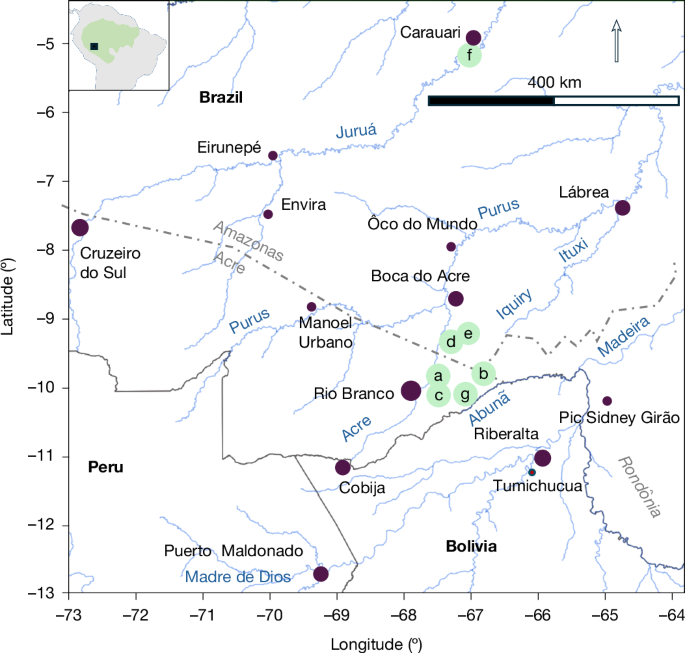
A study using canopy-penetrating LiDAR has expanded the known distribution of precolonial earthworks in southwestern Amazonia. The researchers tentatively estimate that the region’s population reached between 1.25 million and 3 million people around AD 100–300, although the estimate depends on evidence from a limited survey area.

Read story
Skeleton Found Inside Giant Roman Jar at Bulgarian Fortress
05
Bioarchaeology
Score 40

Skeleton Found Inside Giant Roman Jar at Bulgarian Fortress

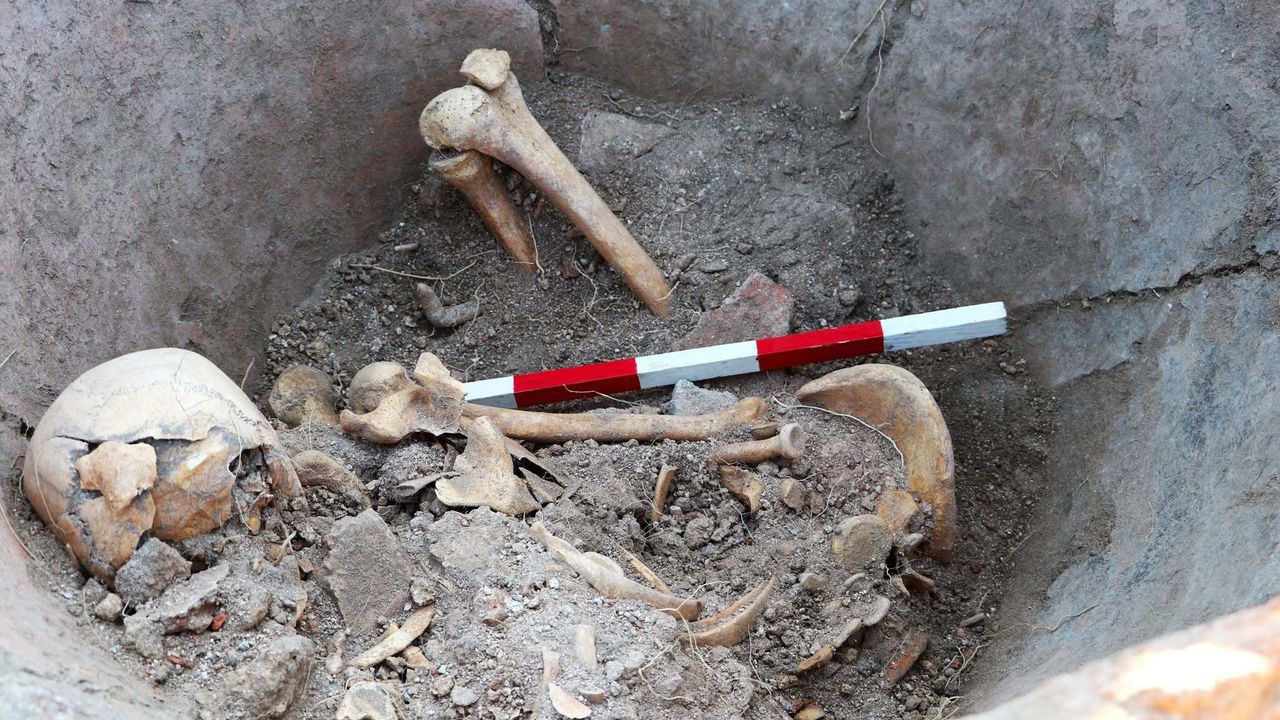
Archaeologists excavating the Roman colony of Deultum in Bulgaria found a human skeleton inside a large storage jar, or dolium. The remains may belong to a young man who sought shelter during an attack and fire around A.D. 400, but researchers have not yet established how he died.

Read story
Medieval Coin Hoard of 2,600 Silver Pieces Found in Kolomna
06
Artifacts
Score 40

Medieval Coin Hoard of 2,600 Silver Pieces Found in Kolomna

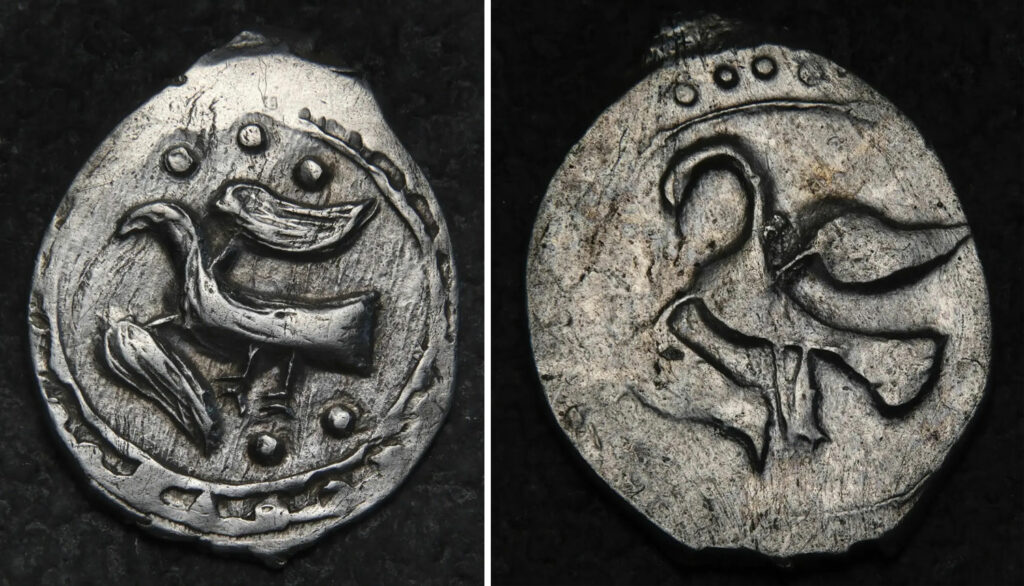
Archaeologists have uncovered about 2,600 silver coins inside a ceramic jug in Kolomna, western Russia. Most are dengi minted by rulers of the Grand Principality of Moscow, while more than 350 appear to be previously unknown local varieties.

Read story