Archaeology.Today
Field Report

Milk Bottle Caps Link an Excavated School to Lansing’s Dairy History

Michigan State University archaeologists recovered milk bottle caps from the former Island School during a 2025 excavation. Marked with the name Heatherwood Farms, the small artifacts connect school lunches and local milk delivery with the material history of the Greater Lansing area.

September 5, 2026
1 Source
The Island School
Milk Bottle Caps Link an Excavated School to Lansing’s Dairy History
The Story

Milk bottle caps recovered during a summer 2025 excavation at Michigan State University’s former Island School are offering evidence of everyday school life and the local dairy industry. The caps bear the name Heatherwood Farms, a Lansing-area dairy that may have supplied milk to the rural school during the mid-20th century.

The excavation was conducted by Michigan State University’s Campus Archaeology Program at a site that is now a farm field. The Island School opened in 1849 as Delhi’s Fractional District No. 1 school and was part of the history of the Holt School District. Students came from communities including Mason, East Lansing, Lansing and Holt.

Among the material recovered were milk bottle caps associated with Heatherwood Farms. The dairy was established in 1934 after Henry Crouse and local board members took over the business previously operated as Winan’s Dairies and Crouse’s Creamery. Heatherwood Farms introduced branded delivery trucks and sold products including pasteurized milk and cream, butter, cottage cheese, chocolate milk and ice cream. In 1943, the company bought the Holt Dairy Company.

That timing is consistent with the possibility that Heatherwood Farms delivered milk to the Island School, although the excavated caps alone do not establish exactly when they arrived at the site. Oral-history interviews conducted by earlier Campus Archaeology Program staff provide additional context. Lanny Reed recalled that the school had no cafeteria, and that students brought their lunches while a milkman delivered bottles of white or chocolate milk. He also remembered deliveries made by horse-drawn wagons.

The caps themselves feature “Heatherwood Farms,” the word “pasteurized,” a phone designation and the number 21306, along with an image of a bagpiper. The examples reflect the changing materials used for milk-bottle caps, including fiber and aluminum forms.

Milk caps were not only containers’ closures. They later became associated with the Milk Cap Cover game, a children’s pastime adapted from the Japanese game of Menko in which players stacked decorated caps and struck them with a heavier disk. The game helped make milk caps collectible, particularly during the 1980s.

For the Campus Archaeology Program, the finds connect a demolished local dairy—Heatherwood Farms was demolished in 1999—with the routines of students who ate lunch at the Island School. Their value lies in documenting ordinary objects and daily practices that are otherwise easily absent from the archaeological record.

Reference Desk

Sources & Further Reading

Continue Exploring

Related Archaeology

More stories
Archaeological Fragments Identify a December 1957 Detroit Newspaper
01
Discoveries
Score 45

Archaeological Fragments Identify a December 1957 Detroit Newspaper

Newspaper fragments recovered from a mid-20th-century midden at Michigan State University have been identified as pages from the December 12, 1957, Detroit Free Press. Differences between the excavated material and a digitized copy suggest the fragments may come from another edition of that day’s paper.

Read story
Stone Age Burial in Poland Contains Tooth Necklace and Human Skull Remains
02
Bioarchaeology
Score 20

Stone Age Burial in Poland Contains Tooth Necklace and Human Skull Remains

Archaeologists excavating a Roman-period cemetery near Wrocław uncovered an older burial dating to around 2900 B.C. The nearly complete skeleton of an adult man was accompanied by a serpentinite battle ax, amber beads, a flint blade, a 42-tooth necklace and two human skulls that may represent decapitated heads.

Read story
Inscription Near Sinai May Identify Ramesses II-Era City of Mesn
03
Artifacts
Score 20

Inscription Near Sinai May Identify Ramesses II-Era City of Mesn

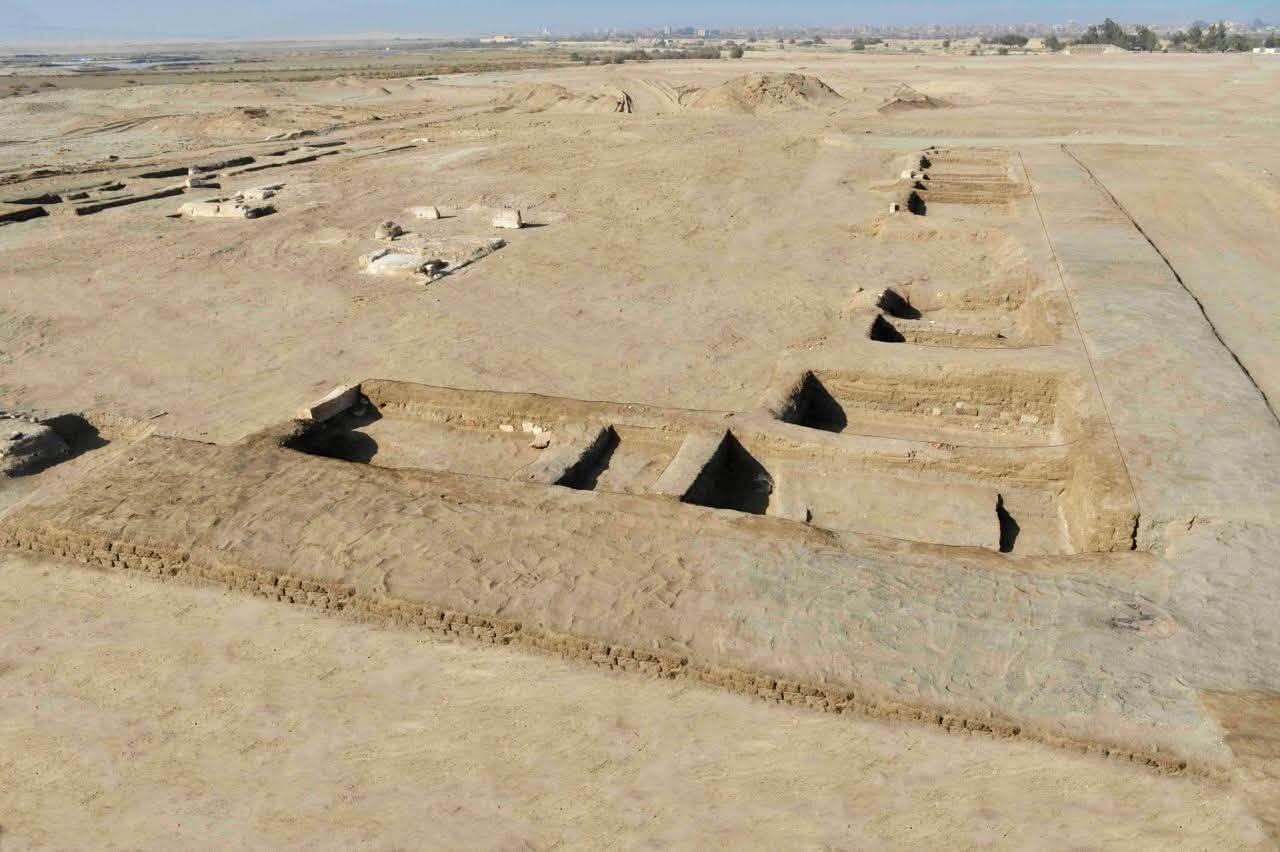
A 3,200-year-old inscription discovered at Tell Abu Seifi refers to Horus as the “Lord of the City of Mesn.” Together with a nearby temple dedicated to the god, the find may link the site to a long-sought Egyptian settlement, although researchers say further evidence is needed.

Read story
Multispectral LED System Offers Pre-Excavation View of Archaeological Sites
04
Excavations
Score 20

Multispectral LED System Offers Pre-Excavation View of Archaeological Sites

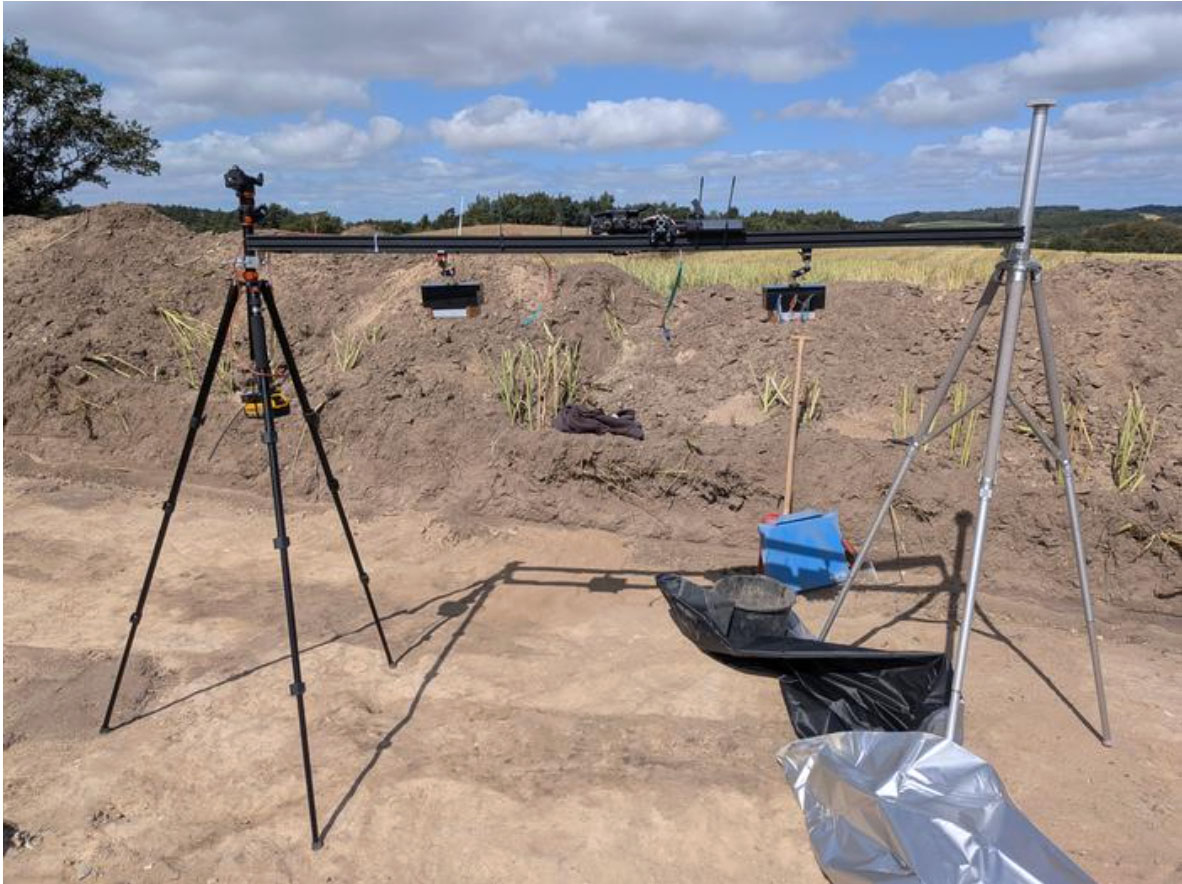
Researchers from Aarhus University and the Moesgaard Museum are testing a portable imaging system that uses 16 wavelengths of light to identify soil changes and other features before excavation. Initial trials at Denmark’s Sorte Muld site also revealed bone fragments that fluoresced under ultraviolet light.

Read story
Anglo-Saxon Settlement and Stone Age Tools Found in Suffolk Excavation
05
Excavations
Score 20

Anglo-Saxon Settlement and Stone Age Tools Found in Suffolk Excavation

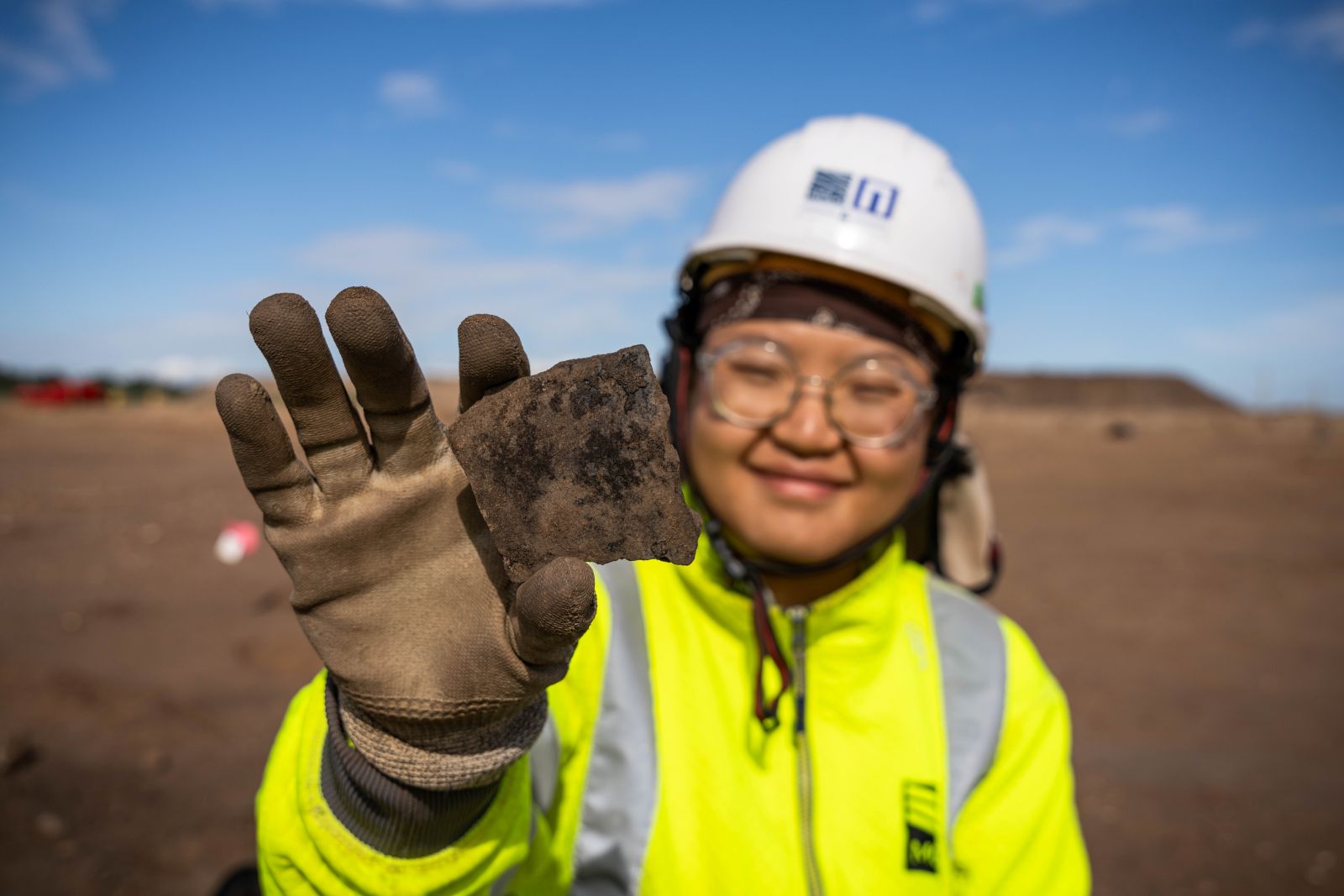
Archaeological work linked to the East Anglia TWO project has revealed an Anglo-Saxon settlement near Friston, prehistoric stone tools and medieval kilns across more than 24 hectares in Suffolk. Researchers also found a complete flint arrowhead estimated to be 4,000–6,000 years old.

Read story
Georgian-Era Objects Found Beneath Bath Assembly Rooms
06
Artifacts
Score 20

Georgian-Era Objects Found Beneath Bath Assembly Rooms

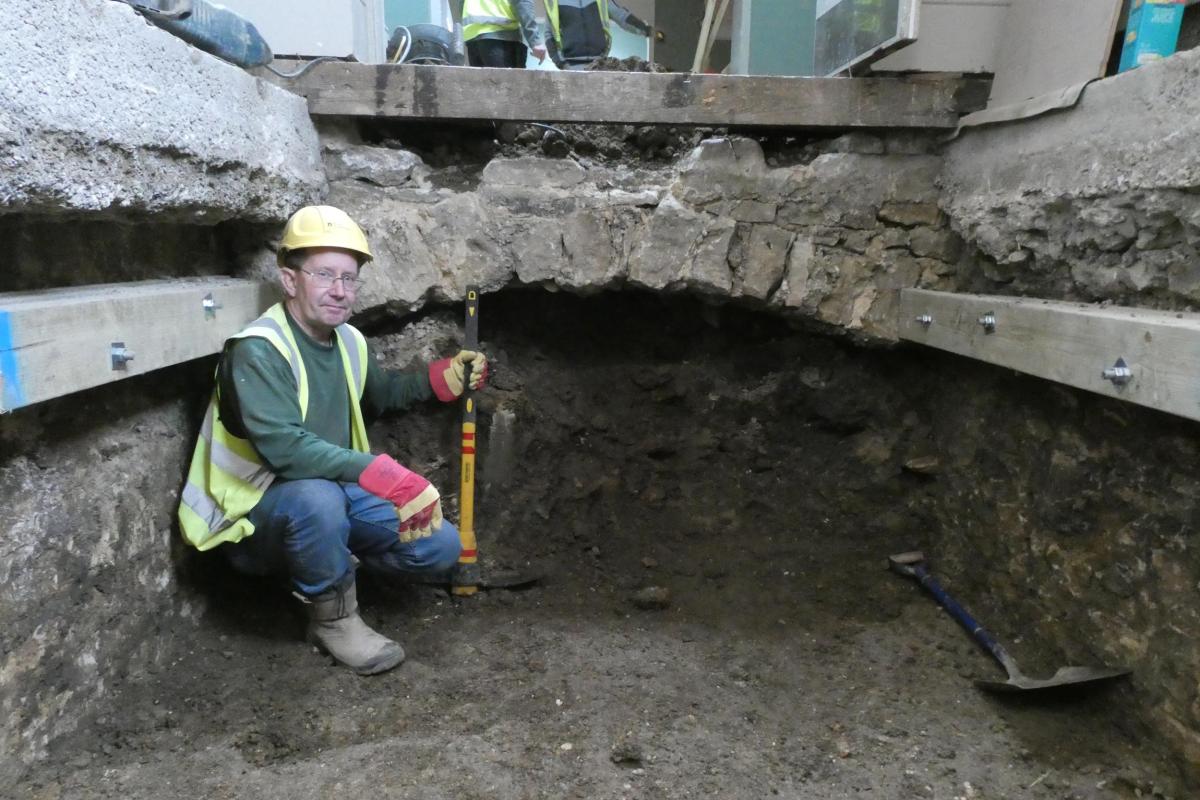
Archaeological work during restoration of Bath Assembly Rooms has uncovered beauty products, wig curlers, wine bottles and tobacco pipes. The finds offer evidence of the preparation, socializing and leisure associated with the venue, which opened in 1771 and was among Jane Austen’s favourite ballrooms.

Read story