Archaeology.Today
Field Report

Study Finds More Iron Age Violence in Northeast Thailand Without Sharp Social Inequality

An analysis of skeletal remains from seven prehistoric sites in northeast Thailand links Iron Age cranial injuries and weapon proliferation to increased interpersonal violence. The researchers found no evidence that social inequality became markedly high or that the shift toward agriculture produced the same health costs reported elsewhere.

September 8, 2026
1 Source
Study Finds More Iron Age Violence in Northeast Thailand Without Sharp Social Inequality
The Story

A study of skeletal remains from seven prehistoric sites in northeast Thailand suggests that interpersonal violence increased during the Iron Age, even though social inequality remained relatively limited in the region.

Researchers Pedersen and Domett examined skeletal trauma alongside archaeological evidence to investigate how violence, health, and social differences changed from the Neolithic to the Late Iron Age. The study covered a period of major cultural, environmental, and technological change, including the development of more labor-intensive wet-rice agriculture, metallurgy, and increasingly complex forms of social organization.

Cranial injuries and evidence that weapons became more widespread during the Iron Age indicate that more people may have experienced interpersonal violence at that time. The researchers associate this pattern with growing population densities, which could have intensified competition for resources. Increasing trade and contact with outside groups may also have created additional opportunities for conflict, according to the study’s interpretation.

The findings did not, however, show a corresponding rise to highly unequal social conditions. The analysis considered whether trauma and other evidence reflected differences in health or violence between sexes and other social groups, but social inequality in northeast Thailand did not appear to reach a markedly high level during the period examined.

The study also found that the emergence of agriculture-based economies did not produce the same decline in health and physiological wellbeing reported in some other parts of the world. This suggests that the effects of agricultural transition were not uniform and depended on local social and environmental circumstances.

The research, reported through Springer in June 2024, uses skeletal evidence and archaeological context to assess the relationship between violence and inequality across prehistoric northeast Thailand. Its conclusions point to a regional pattern in which violence may have become more common during the Iron Age without the development of equally pronounced social stratification or health disparities.

Reference Desk

Sources & Further Reading

Continue Exploring

Related Archaeology

More stories
Ancient DNA Tracks Population Replacement at French Megalithic Tomb
01
Bioarchaeology
Score 95

Ancient DNA Tracks Population Replacement at French Megalithic Tomb

DNA from 132 people buried at a megalithic tomb near Bury, north of Paris, indicates a sharp population break around 3000 BC. Researchers found evidence of disease and severe mortality, but say the collapse likely resulted from several interacting pressures rather than plague alone.

Read story
6,500-Year-Old Czech Enclosure May Have Marked Solar and Lunar Cycles
02
Discoveries
Score 75

6,500-Year-Old Czech Enclosure May Have Marked Solar and Lunar Cycles

Archaeologists studying a 230-meter prehistoric enclosure near Chleby say its 12 entrances may have created sightlines to important positions of the Sun and Moon. The monument, dated through organic material, appears to predate major Stonehenge construction phases by more than 1,000 years.

Read story
2nd-Century Shield Boss With Cremated Remains Found in Polish Scrap Yard
03
Discoveries
Score 75

2nd-Century Shield Boss With Cremated Remains Found in Polish Scrap Yard

A corroded iron shield boss recovered from a scrap yard in Hrubieszów, eastern Poland, has been dated to around the 2nd century AD. Museum specialists found cremated human bones inside it, suggesting the object came from a destroyed Przeworsk culture warrior burial, although the individual’s sex cannot be established.

Read story
Wolves on Swedish Island Point to Prehistoric Human Management
04
Discoveries
Score 75

Wolves on Swedish Island Point to Prehistoric Human Management

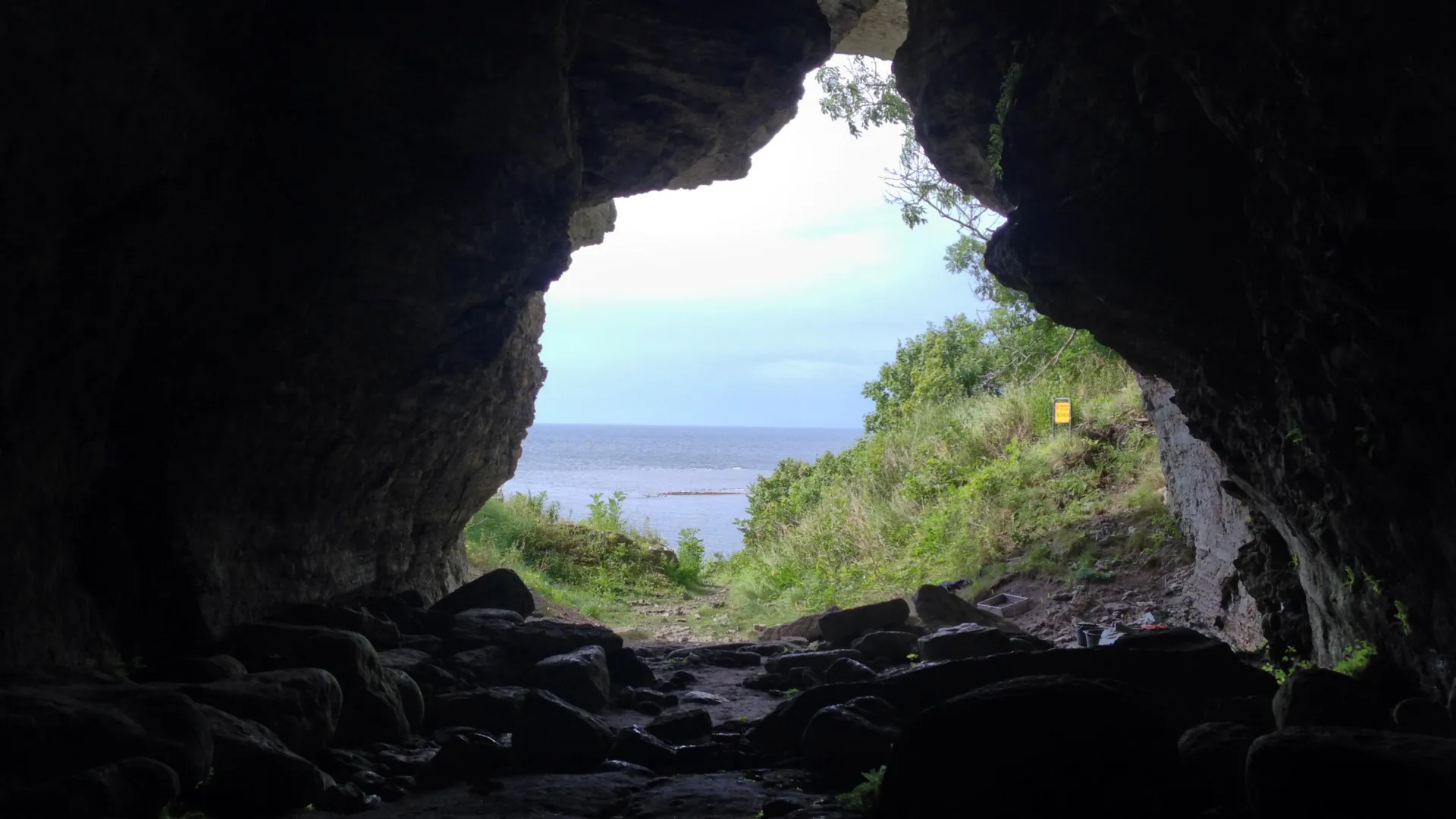
Wolf remains from Stora Karlsö, a small Baltic island with no native land mammals, date to roughly 3,000–5,000 years ago. Genetic, dietary and skeletal evidence suggests people transported the animals by boat and may have fed or cared for them without fully domesticating them.

Read story
Ancient Sardis Added to UNESCO World Heritage List After Decades of Excavation
05
Heritage
Score 55

Ancient Sardis Added to UNESCO World Heritage List After Decades of Excavation

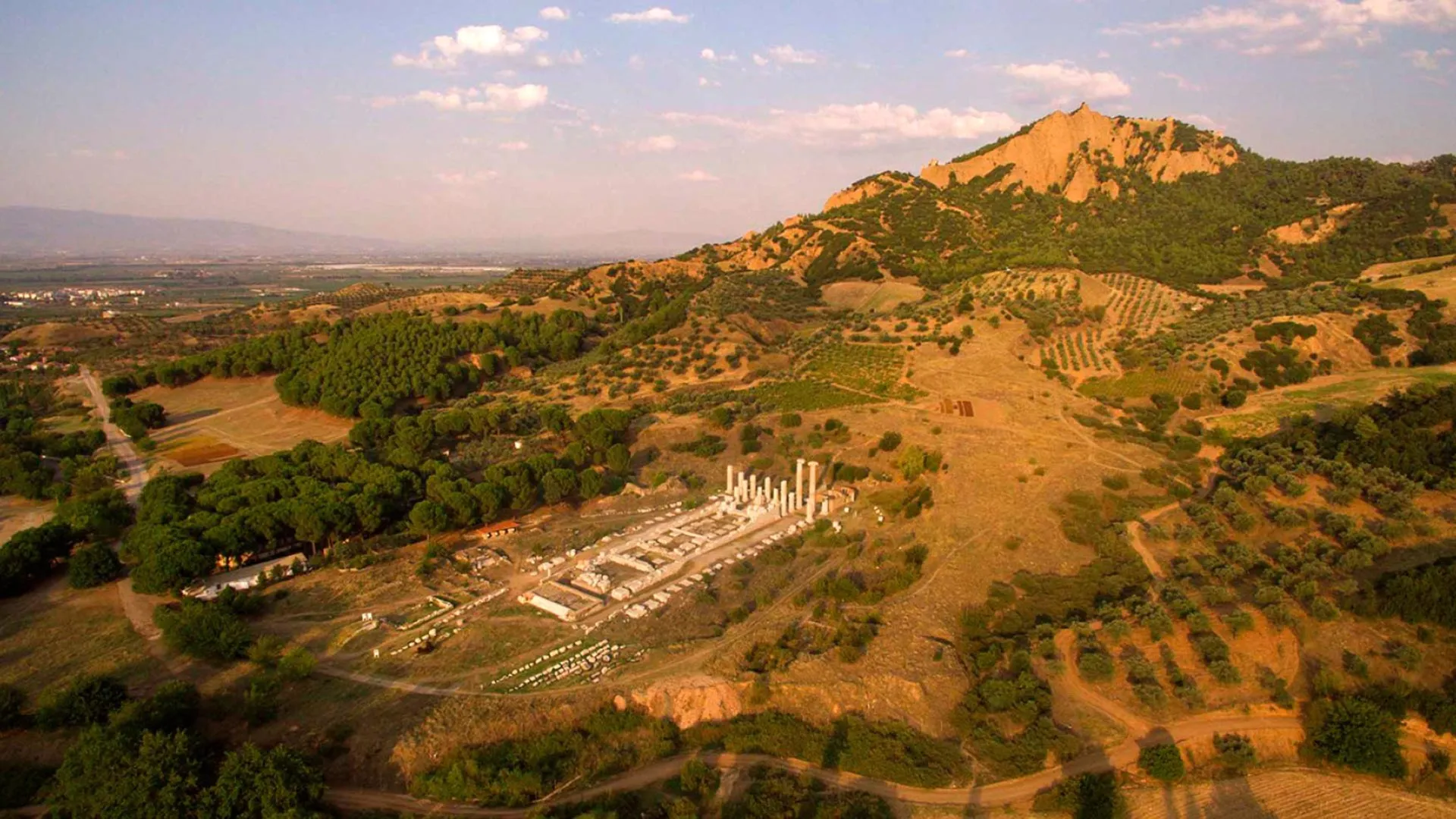
Sardis, an ancient city in western Turkey excavated continuously since 1958, has been added to the UNESCO World Heritage List. Researchers say the designation recognizes decades of archaeological work while highlighting the need to protect the site from erosion, farming damage and looting.

Read story
Bronze-Casting Mould and Weapons Found at Tatarstan Pyanobor Site
06
Excavations
Score 40

Bronze-Casting Mould and Weapons Found at Tatarstan Pyanobor Site

Excavations at the Kipchak Archaeological Complex in Russia’s Tatarstan have yielded a bronze-casting mould, bronze and iron arrowheads, a spearhead, jewellery and decorated pottery. Kazan Federal University archaeologists say the finds may help investigate the debated origins of the Pyanobor culture.

Read story