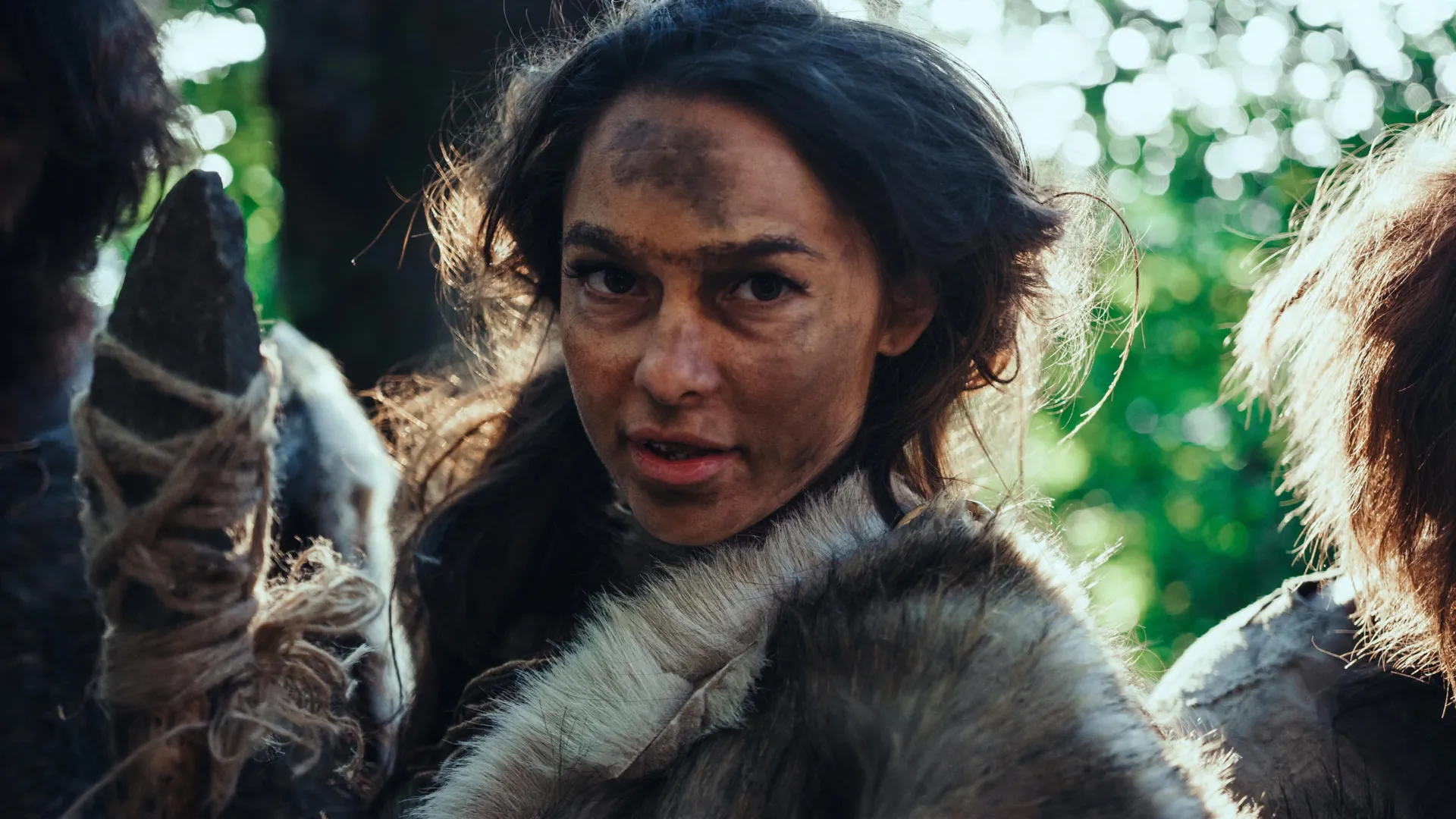
A genetic pattern in present-day non-African humans does not show that Neanderthal men preferred Homo sapiens women, according to an analysis reported by The Conversation. The evidence indicates that Neanderthal DNA is more common on non-sex chromosomes than on the X chromosome, but that imbalance cannot by itself reveal whether ancient encounters involved attraction, social alliances, coercion or other forms of interaction.
The study discussed in the report, published in Science, compares several explanations for the uneven inheritance pattern. These include natural selection, sex-biased demographic processes and partner preference. The researchers describe partner preference as one possible, and statistically parsimonious, mechanism—not as direct evidence of prehistoric attraction.
Biology could produce the same signal. A Neanderthal father passes his X chromosome only to daughters, while much of his other genetic material can be inherited by both sons and daughters. Sex chromosomes may also be especially affected by incompatibilities and natural selection when closely related populations interbreed. As a result, the scarcity of Neanderthal DNA on the X chromosome could reflect reduced survival or fertility among some hybrid males rather than social choices.
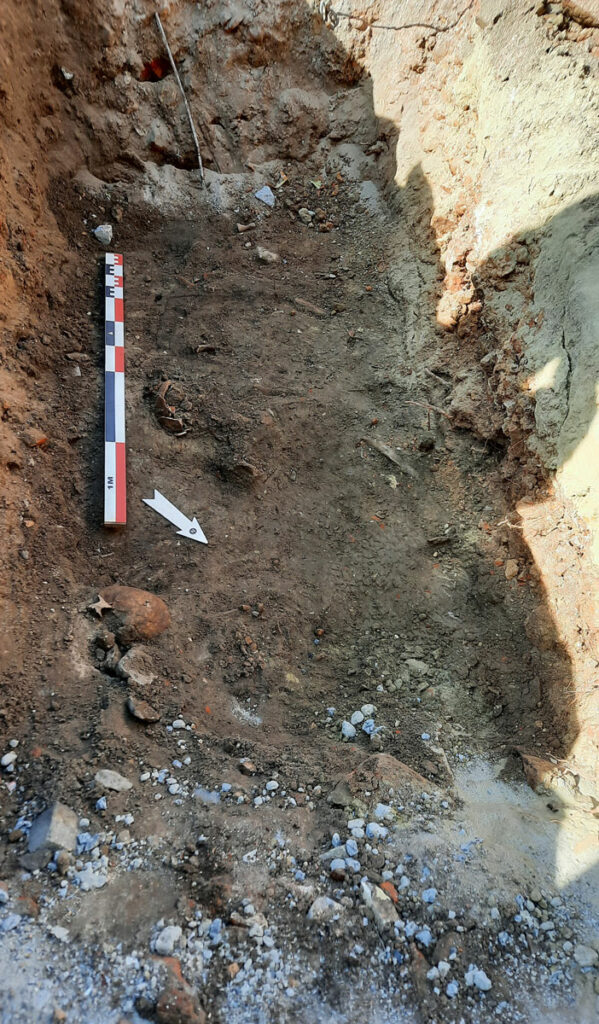
The report argues that archaeological and anthropological evidence is needed to investigate the social context behind the genetic pattern. At El Sidrón in northern Spain, researchers identified remains from at least 12 Neanderthals. Three adult males shared a mitochondrial lineage, while three adult females each had a different one. Because mitochondrial DNA is inherited through mothers, this pattern has been interpreted as compatible with males remaining in their group while females moved between communities—a possible patrilocal system. The interpretation is not presented as proof of a particular social structure.
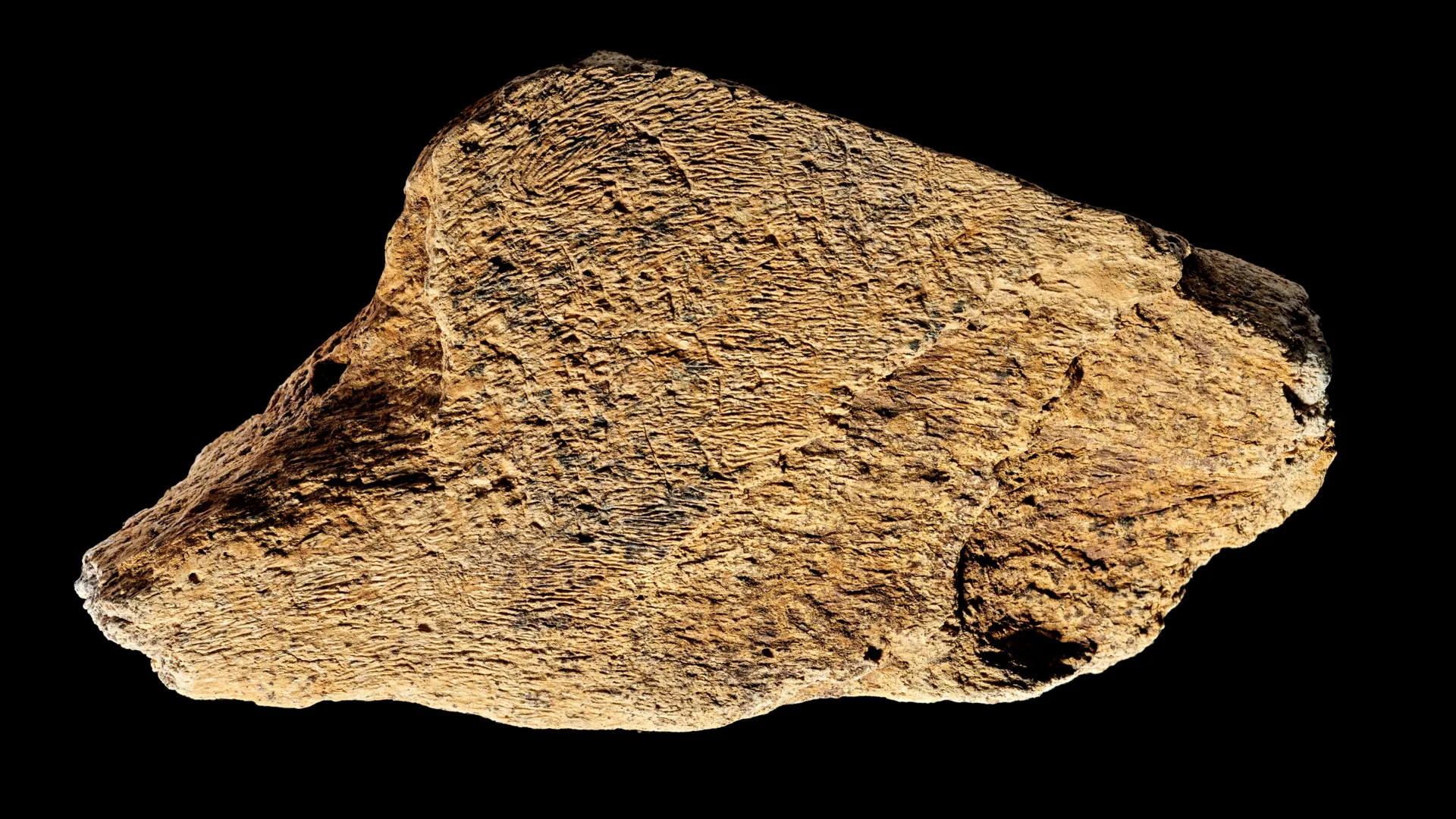
Evidence from Goyet in Belgium offers a more violent possibility. The remains of four Neanderthal females and two immature individuals include clear-cut marks on five specimens, while isotopic signatures suggest non-local origins. The report describes conflict-related cannibalism as a proposed explanation, but notes that the small sample, older excavations and absence of spatial data leave room for uncertainty.
The Science study concerns a much earlier episode, estimated at around 250,000 years ago, and applies a proposed mechanism to later contacts between Homo sapiens and Neanderthals. The report notes that available evidence documents Neanderthal ancestry in early Eurasian Homo sapiens, while available Neanderthal genomes show no recent Homo sapiens contribution. That one-way pattern further complicates any simple account based on mutual partner preference.
Genetic data can identify patterns of transmission, but they cannot reconstruct the rules, inequalities or circumstances that shaped ancient relationships.