Archaeology.Today
Field Report

Bosutswe Metalwork Reveals Long-Distance Copper Trade and Local Bronze Making

Lead-isotope analysis of 30 metal objects from Iron Age sites in Botswana indicates that copper reached Bosutswe from mines across southern Africa. Bronze objects consistently point to the Rooiberg valley in South Africa for their tin, suggesting bronze was produced locally from materials acquired through separate trade networks.

September 4, 2026
1 Source
Bosutswe
Bosutswe Metalwork Reveals Long-Distance Copper Trade and Local Bronze Making
The Story

A study of 30 metal objects from Iron Age sites in eastern-central Botswana has found evidence of long-distance copper exchange across southern Africa, while the tin used to make bronze came from a single known source in South Africa.

The research examined material from Bosutswe, Khubu la Dintša and Lose, settlements associated with elite Lose-style pottery. The sites stood near river headwaters that drain toward the Limpopo and Indian Ocean, locations the researchers describe as important crossroads for east-west movement.

Bosutswe provided the clearest evidence of widely distributed copper. Lead-isotope and chemical analysis linked its copper to several mining areas, including the Copperbelt on the Congo-Zambia border, Copper Queen in Zimbabwe, and Musina, Phalaborwa and Rooiberg in South Africa. The objects also included copper associated with Botswana’s Selebi Phikwe and Dukwe deposits. Dukwe is just over 140 kilometers from Bosutswe, while some of the other sources were hundreds of kilometers away and, in one case, more than 950 kilometers distant.

This pattern differs from the evidence at some other regional sites. Mapungubwe, for example, obtained most of its copper from Phalaborwa, according to the study. At Bosutswe, the variety of sources indicates a more complex supply network, although the researchers said the available evidence does not identify how the metal was transported or exchanged.

Tin showed a much more consistent pattern. Every bronze object analyzed was compatible with tin from the Rooiberg valley in South Africa, about 360 kilometers from Bosutswe. Rooiberg is described as the only tin field in the region with evidence of pre-colonial mining.

Because the bronze objects combined Rooiberg tin with copper from different sources, the researchers argue that bronze was probably made at Bosutswe rather than traded there as finished material. The objects contained varying amounts of tin, producing colors ranging from red and salmon pink to golden yellow. The study interprets this variation as an expanded color range for elite ornaments, rather than evidence of attempts to imitate gold.

Bosutswe began as a cattle post in the seventh century, developed into a trade center, and was abandoned in the 17th century. Bronze appeared there around the 13th century. The findings, published in Azania: Archaeological Research in Africa, add metal production and exchange to evidence of the settlement’s connections with distant regions.
Reference Desk

Sources & Further Reading

Continue Exploring

Related Archaeology

More stories
Multispectral LED System Offers Pre-Excavation View of Archaeological Sites
01
Excavations
Score 55

Multispectral LED System Offers Pre-Excavation View of Archaeological Sites

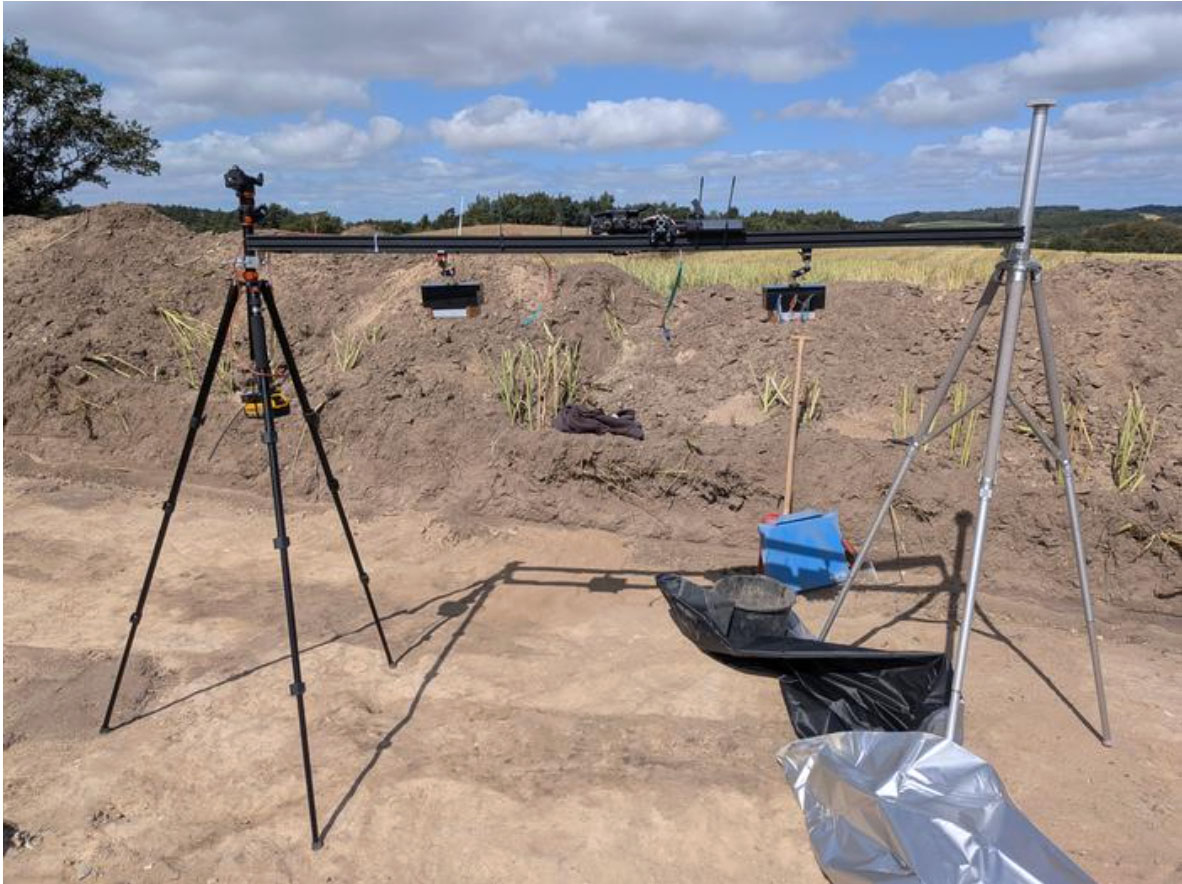
Researchers from Aarhus University and the Moesgaard Museum are testing a portable imaging system that uses 16 wavelengths of light to identify soil changes and other features before excavation. Initial trials at Denmark’s Sorte Muld site also revealed bone fragments that fluoresced under ultraviolet light.

Read story
Ancient DNA Points to Cultural Spread of Western Farming in Gansu
02
Bioarchaeology
Score 40

Ancient DNA Points to Cultural Spread of Western Farming in Gansu

Genomic data from 149 ancient individuals indicate that western-derived crops and livestock reached Gansu without a large influx of people from western Eurasia or Central Asia. The study also reveals connected kinship networks and complex burial practices at the Mogou cemetery.

Read story
LiDAR Survey Reveals More Than 20,000 Amazonian Earthworks
03
Archaeological Science
Score 40

LiDAR Survey Reveals More Than 20,000 Amazonian Earthworks

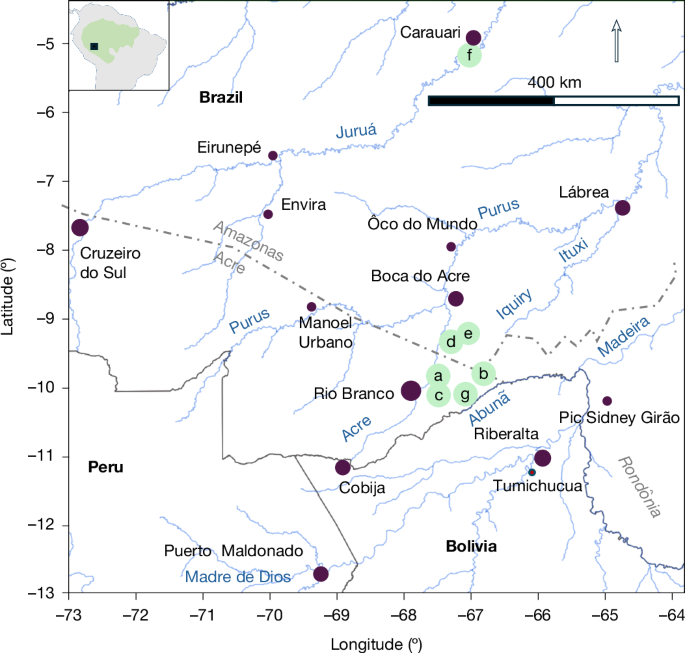
A study using canopy-penetrating LiDAR has expanded the known distribution of precolonial earthworks in southwestern Amazonia. The researchers tentatively estimate that the region’s population reached between 1.25 million and 3 million people around AD 100–300, although the estimate depends on evidence from a limited survey area.

Read story
Private Roman Bath Found in Imperial Palace at Serbia’s Vrelo-Šarkamen
04
Ancient Civilizations
Score 20

Private Roman Bath Found in Imperial Palace at Serbia’s Vrelo-Šarkamen

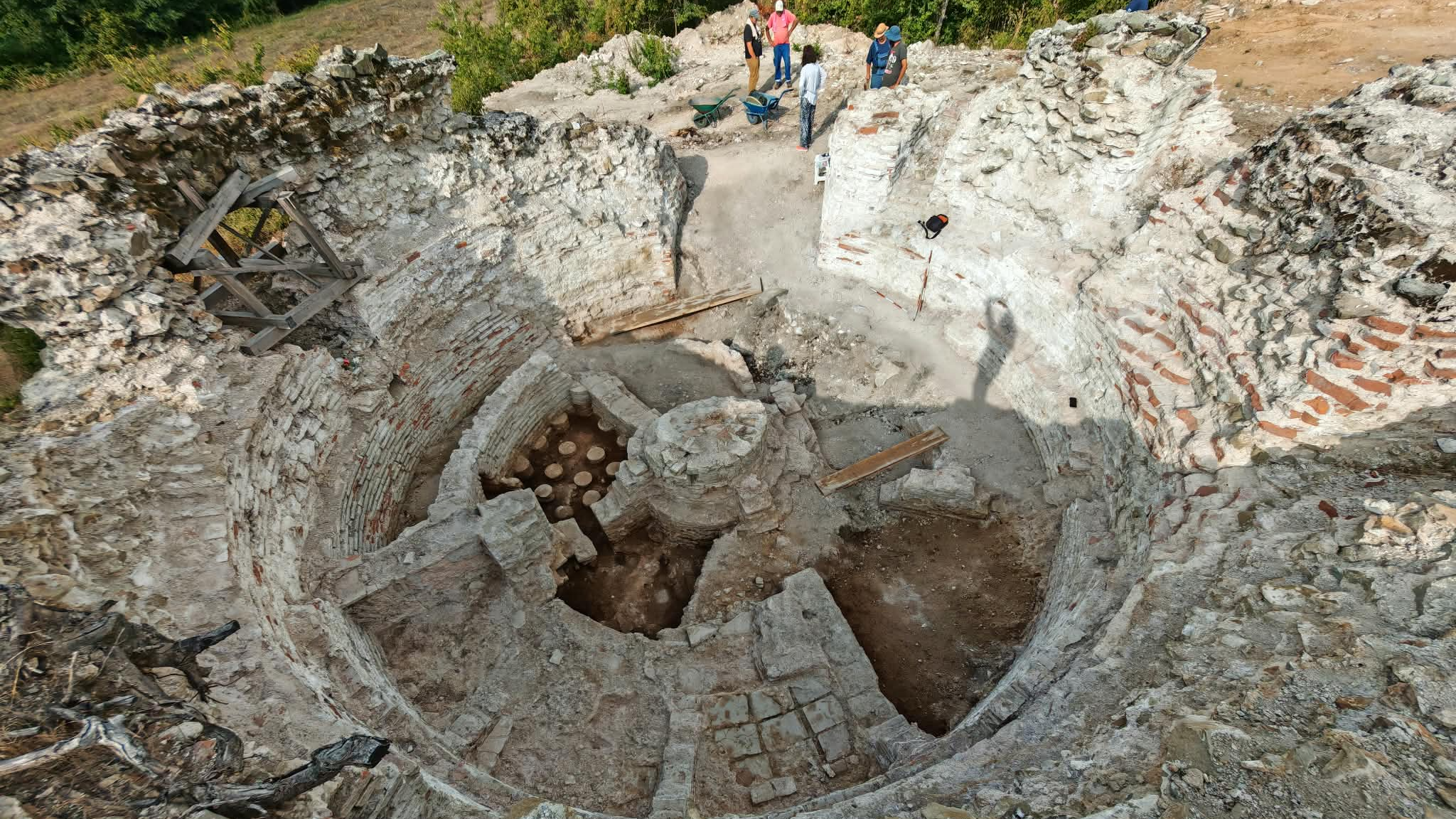
Archaeologists excavating the Vrelo-Šarkamen palace complex in eastern Serbia have uncovered a circular private bath with heated floors, three bathing pools and a steam room. The early fourth-century residence was occupied by Roman emperor Maximinus Daza, and the unusual design appears to have served high-status palace residents.

Read story
Arnhem Land Rock Art May Reflect Response to Colonial Change
05
Discoveries
Score 20

Arnhem Land Rock Art May Reflect Response to Colonial Change

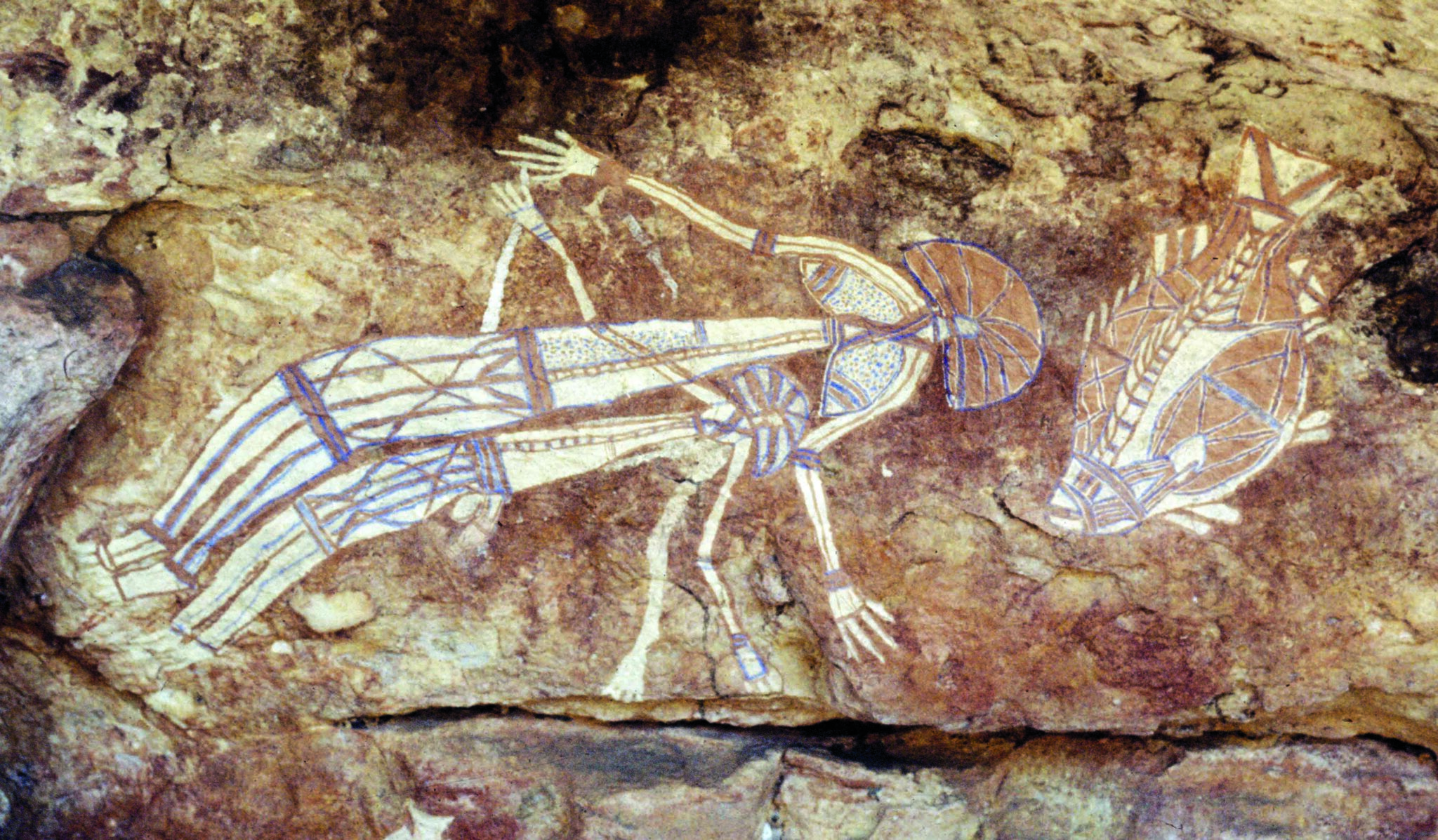
A study of Aboriginal rock art in western Arnhem Land has documented enormous images of Rainbow Serpents, pythons, crocodiles, and kangaroos. Researchers suggest that some paintings made during the nineteenth and twentieth centuries may have helped communities respond to the upheaval associated with European colonization.

Read story
Spinal Evidence Shows Strain of Child Labor in the Netherlands
06
Discoveries
Score 20

Spinal Evidence Shows Strain of Child Labor in the Netherlands

A Leiden University study of more than 140 young people who lived in the Netherlands between the 17th and 19th centuries found spinal damage associated with physically demanding work. The most severe changes occurred among children who repeatedly carried heavy loads on rural dairy farms.

Read story