Archaeology.Today
Field Report

Private Roman Bath Found in Imperial Palace at Serbia’s Vrelo-Šarkamen

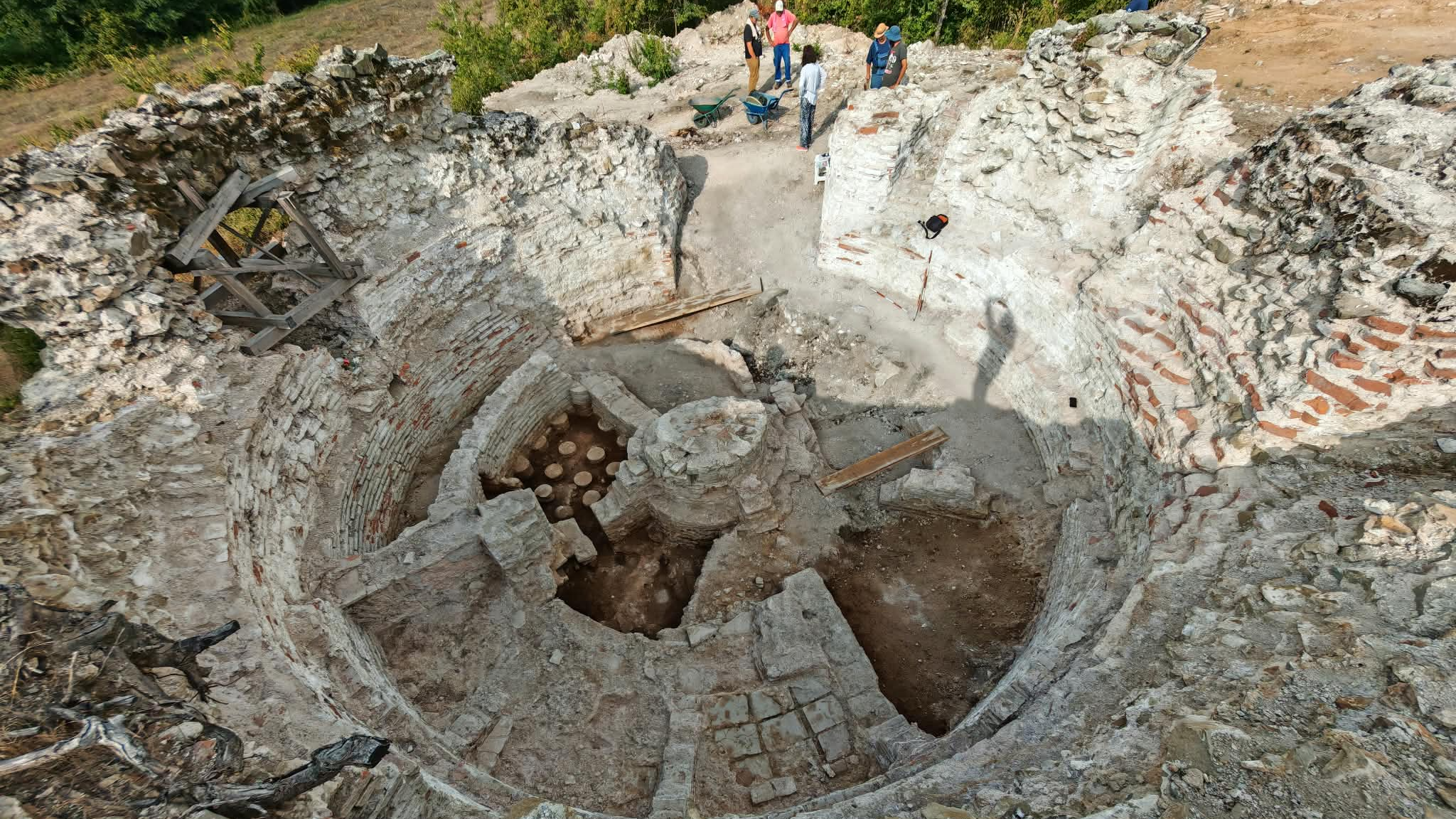
Archaeologists excavating the Vrelo-Šarkamen palace complex in eastern Serbia have uncovered a circular private bath with heated floors, three bathing pools and a steam room. The early fourth-century residence was occupied by Roman emperor Maximinus Daza, and the unusual design appears to have served high-status palace residents.

September 4, 2026
1 Source
Vrelo-Šarkamen
Private Roman Bath Found in Imperial Palace at Serbia’s Vrelo-Šarkamen
The Story

A research team excavating an imperial palace in eastern Serbia has uncovered an unusually designed Roman private bath, or balneum, built inside the lowest level of a monumental tower at the Vrelo-Šarkamen archaeological site.

The bath formed part of a fortified residential complex constructed in the early fourth century and occupied by Maximinus Daza, who was Roman emperor from 310 to 313. Archaeologists from Serbia’s Institute of Archaeology made the discovery during recent excavations, after work at the site had continued intermittently for decades.

Unlike the predominantly linear layout known for ancient Roman baths, in which rooms were arranged in a row, the newly identified complex was circular. Its domed ceiling included six windows, a feature the excavation team said demonstrated a high level of engineering knowledge.

The complex was divided into an area containing the equipment needed to operate the baths and a suite intended for bathing and relaxation. In the service section, archaeologists found a furnace that heated the floors and the base of a copper boiler used to warm the water. The boiler itself is no longer present.

The bathing section contained three pools or tubs and a sudatorium, a steam room or sauna. Together with the heated floors and domed architecture, these features indicate that the space was designed not only for washing but also for comfort and relaxation. According to the research statement, the bath was intended for high-status residents of the palace.

The discovery adds to evidence that Maximinus Daza’s residence was more complex and luxurious than previously understood. The excavators have linked the palace to the emperor, but the supplied reporting does not establish which individual used the bath on particular occasions.

Researchers plan to continue investigating the complex. Further work is expected to clarify the arrangement of its rooms and how Maximinus Daza and his family reached the bath within the palace.

Reference Desk

Sources & Further Reading

Continue Exploring

Related Archaeology

More stories
Roman Shipwreck Carrying Hundreds of Amphorae Found off Sicily
01
Underwater Archaeology
Score 160

Roman Shipwreck Carrying Hundreds of Amphorae Found off Sicily

Italy’s Carabinieri cultural heritage protection unit has located a Roman shipwreck about three miles off Mazara del Vallo, Sicily. The approximately 2,100-year-old vessel contains around 500 amphorae, along with parts of anchors, and will undergo further scientific documentation.

Read story
Skeleton Found Inside Giant Roman Jar at Bulgarian Fortress
02
Bioarchaeology
Score 105

Skeleton Found Inside Giant Roman Jar at Bulgarian Fortress

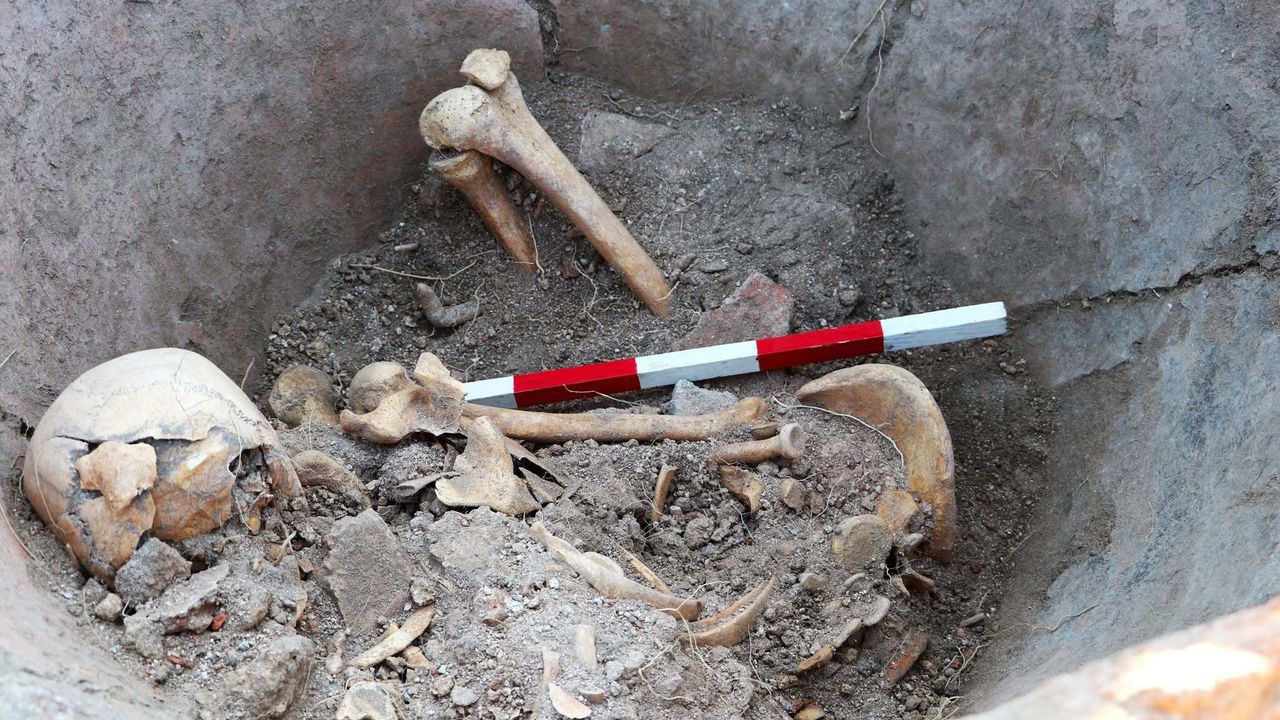
Archaeologists excavating the Roman colony of Deultum in Bulgaria found a human skeleton inside a large storage jar, or dolium. The remains may belong to a young man who sought shelter during an attack and fire around A.D. 400, but researchers have not yet established how he died.

Read story
Greek Spelling Offers New Clue to the Wearer of the Pilate Ring
03
Ancient Civilizations
Score 75

Greek Spelling Offers New Clue to the Wearer of the Pilate Ring

A UCLA scholar argues that a 2,000-year-old copper-alloy ring from Herodium bears a Greek transliteration of the Latin name Pilate. Rather than belonging to Pontius Pilate, the ring may have been used by an enslaved or formerly enslaved worker connected to Judea’s Roman administration.

Read story
Domestic Buildings and Workshops Found Near Memphis Temple
04
Ancient Civilizations
Score 40

Domestic Buildings and Workshops Found Near Memphis Temple

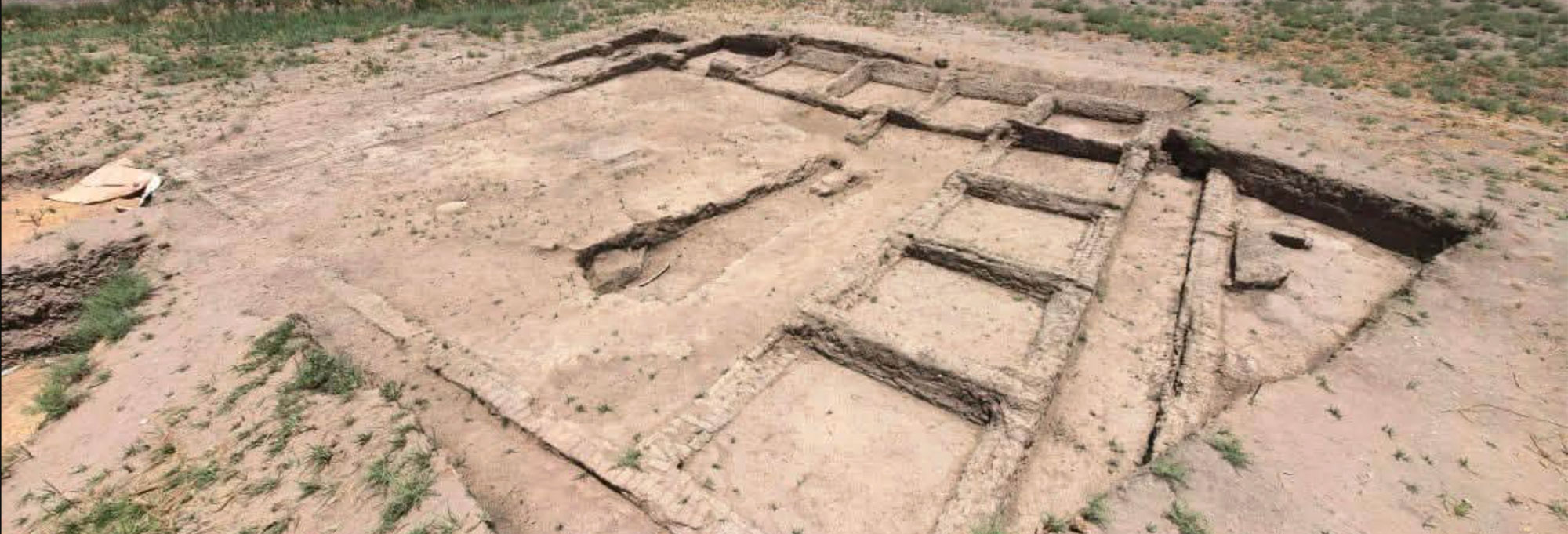
A joint Egyptian-Chinese team has uncovered adobe buildings, workshops, and a possible winepress near the Temple of Sekhmet in Memphis. Ceramics, faience amulets, and votive plaques may indicate that religious activity continued there into the Greco-Roman period.

Read story
LiDAR Survey Reveals More Than 20,000 Amazonian Earthworks
05
Archaeological Science
Score 40

LiDAR Survey Reveals More Than 20,000 Amazonian Earthworks

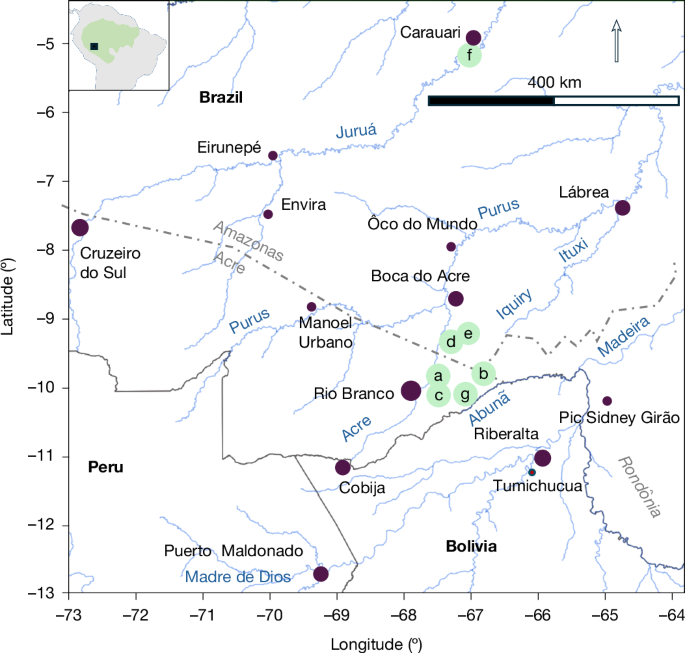
A study using canopy-penetrating LiDAR has expanded the known distribution of precolonial earthworks in southwestern Amazonia. The researchers tentatively estimate that the region’s population reached between 1.25 million and 3 million people around AD 100–300, although the estimate depends on evidence from a limited survey area.

Read story
Bosutswe Metalwork Reveals Long-Distance Copper Trade and Local Bronze Making
06
Bioarchaeology
Score 20

Bosutswe Metalwork Reveals Long-Distance Copper Trade and Local Bronze Making

Lead-isotope analysis of 30 metal objects from Iron Age sites in Botswana indicates that copper reached Bosutswe from mines across southern Africa. Bronze objects consistently point to the Rooiberg valley in South Africa for their tin, suggesting bronze was produced locally from materials acquired through separate trade networks.

Read story