Archaeology.Today
Field Report

Prehistoric Woodland and Insect Remains Found in Exmoor Peatland

A peatland restoration project at the National Trust’s Holnicote Estate in Somerset has uncovered well-preserved woodland, plant and insect remains dating from the Neolithic and Bronze Ages. The evidence offers a record of wetland conditions and vegetation on Exmoor thousands of years ago.

September 8, 2026
1 Source
Alderman's Barrow Allotment
Prehistoric Woodland and Insect Remains Found in Exmoor Peatland
The Story

A peatland restoration project on Exmoor has revealed a buried prehistoric woodland floor alongside plant and insect remains preserved in the peat at the National Trust’s Holnicote Estate in Somerset.

The discoveries were made at Alderman’s Barrow Allotment during a year-long project led by the South West Peatland Partnership, working with the National Trust. The restoration work included building leaky log dams to slow water movement through the valley and create a higher, more stable water table. The measures are intended to improve peatland health, water quality and climate resilience while protecting archaeological material.

Samples were collected at 5-centimetre intervals through a 1.5-metre-deep peat sequence and analysed at Wessex Archaeology’s specialist laboratory in Salisbury. Among the finds were more than 100 fragments of Hydraena riparia, a semi-aquatic beetle that still exists today and thrives in damp conditions. The samples also contained prehistoric dung beetles, rove beetles, moss mites and water scavenger beetles.

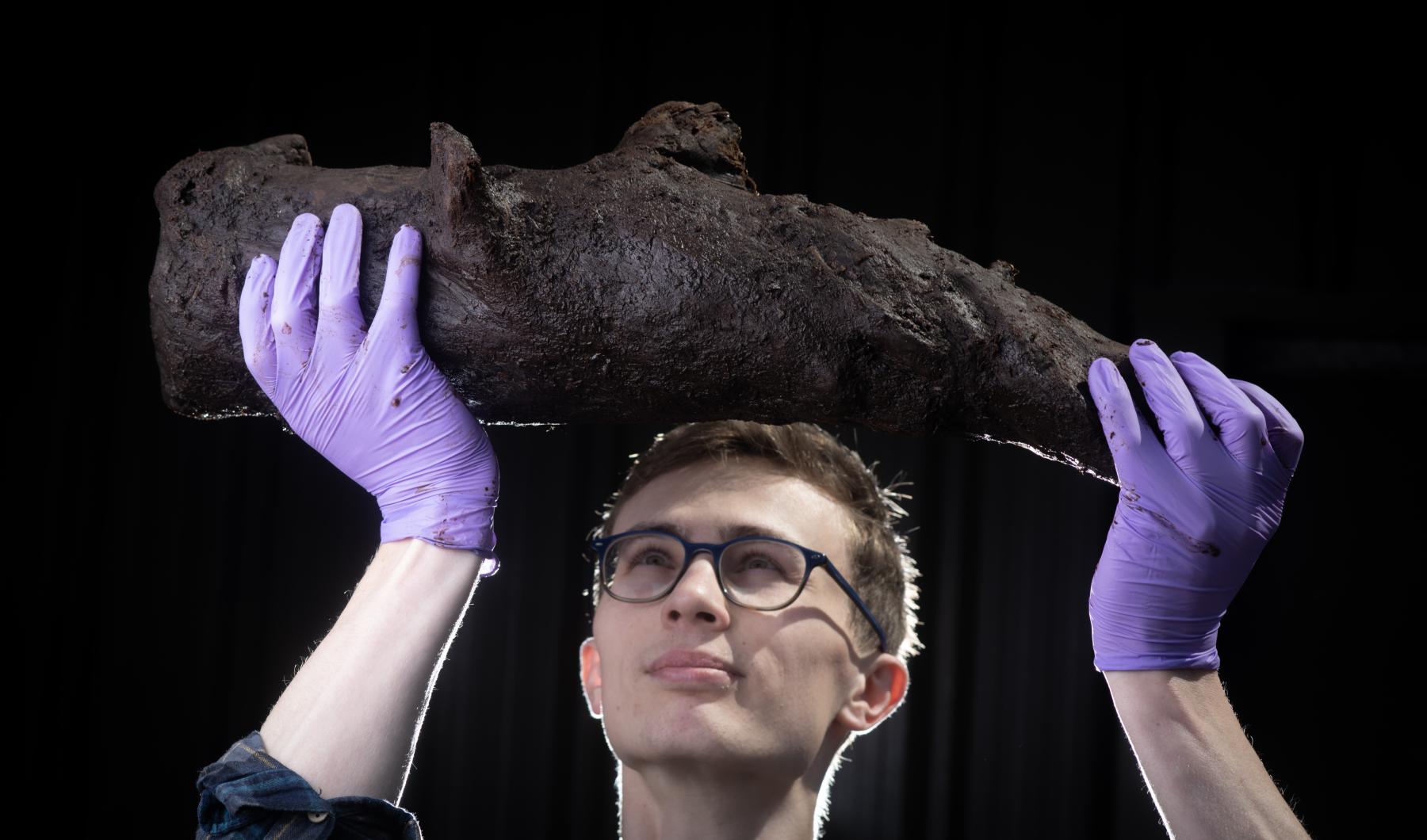
Wood fragments from a prehistoric woodland floor—including trunks, branches and twigs—were dated to around 4,500 to 3,500 years ago. This places them in the late Neolithic and middle Bronze Age, with calibrated date ranges given as 2860–2570 Cal BC to 1400–1220 Cal BC. The remains indicate the presence of alder and willow, while seeds provide evidence of birch growing nearby. Sedges and rushes were found within the wet woodland habitat, and birch and oak were present in the wider landscape.

Other woodland remains from the site, including a section of willow, date to as early as the beginning of the Neolithic, between 3940 and 3650 Cal BC.

Researchers said the material provides a long-term baseline for understanding how the peatland formed and how its vegetation and insect communities changed. The preserved wood may also help investigate the possible contributions of climate change and woodland clearance to the decline of woodland during the later prehistoric period.

According to Wessex Archaeology, the low-oxygen conditions within healthy peat allow organic materials to survive for thousands of years. Continued restoration is therefore intended not only to improve the landscape but also to prevent the archaeological and environmental archive from drying out, eroding and being lost.
Reference Desk

Sources & Further Reading

Continue Exploring

Related Archaeology

More stories
Wolves on Swedish Island Point to Prehistoric Human Management
01
Discoveries
Score 130

Wolves on Swedish Island Point to Prehistoric Human Management

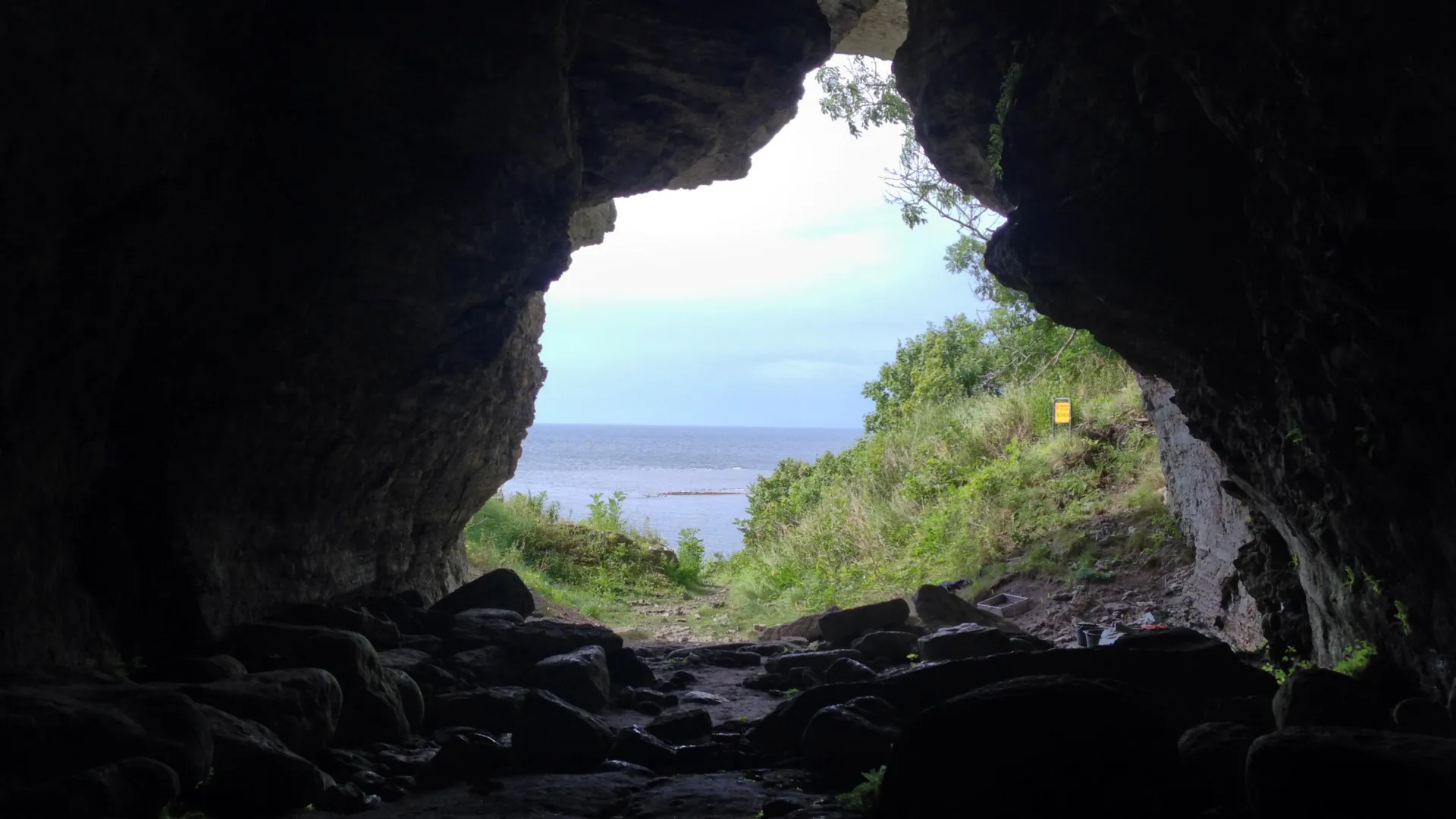
Wolf remains from Stora Karlsö, a small Baltic island with no native land mammals, date to roughly 3,000–5,000 years ago. Genetic, dietary and skeletal evidence suggests people transported the animals by boat and may have fed or cared for them without fully domesticating them.

Read story
6,500-Year-Old Czech Enclosure May Have Marked Solar and Lunar Cycles
02
Discoveries
Score 75

6,500-Year-Old Czech Enclosure May Have Marked Solar and Lunar Cycles

Archaeologists studying a 230-meter prehistoric enclosure near Chleby say its 12 entrances may have created sightlines to important positions of the Sun and Moon. The monument, dated through organic material, appears to predate major Stonehenge construction phases by more than 1,000 years.

Read story
High-Nickel Rings Point to Meteorite Iron in Bronze Age Greece
03
Artifacts
Score 75

High-Nickel Rings Point to Meteorite Iron in Bronze Age Greece

A study of 91 ancient iron objects from Greece found unusually high nickel levels in 13 rings and ring fragments. Researchers say at least 10 were probably made from meteoritic iron, with many discovered in wealthy tombs linked to Mycenaean elites.

Read story
Ancient DNA Tracks Population Replacement at French Megalithic Tomb
04
Bioarchaeology
Score 75

Ancient DNA Tracks Population Replacement at French Megalithic Tomb

DNA from 132 people buried at a megalithic tomb near Bury, north of Paris, indicates a sharp population break around 3000 BC. Researchers found evidence of disease and severe mortality, but say the collapse likely resulted from several interacting pressures rather than plague alone.

Read story
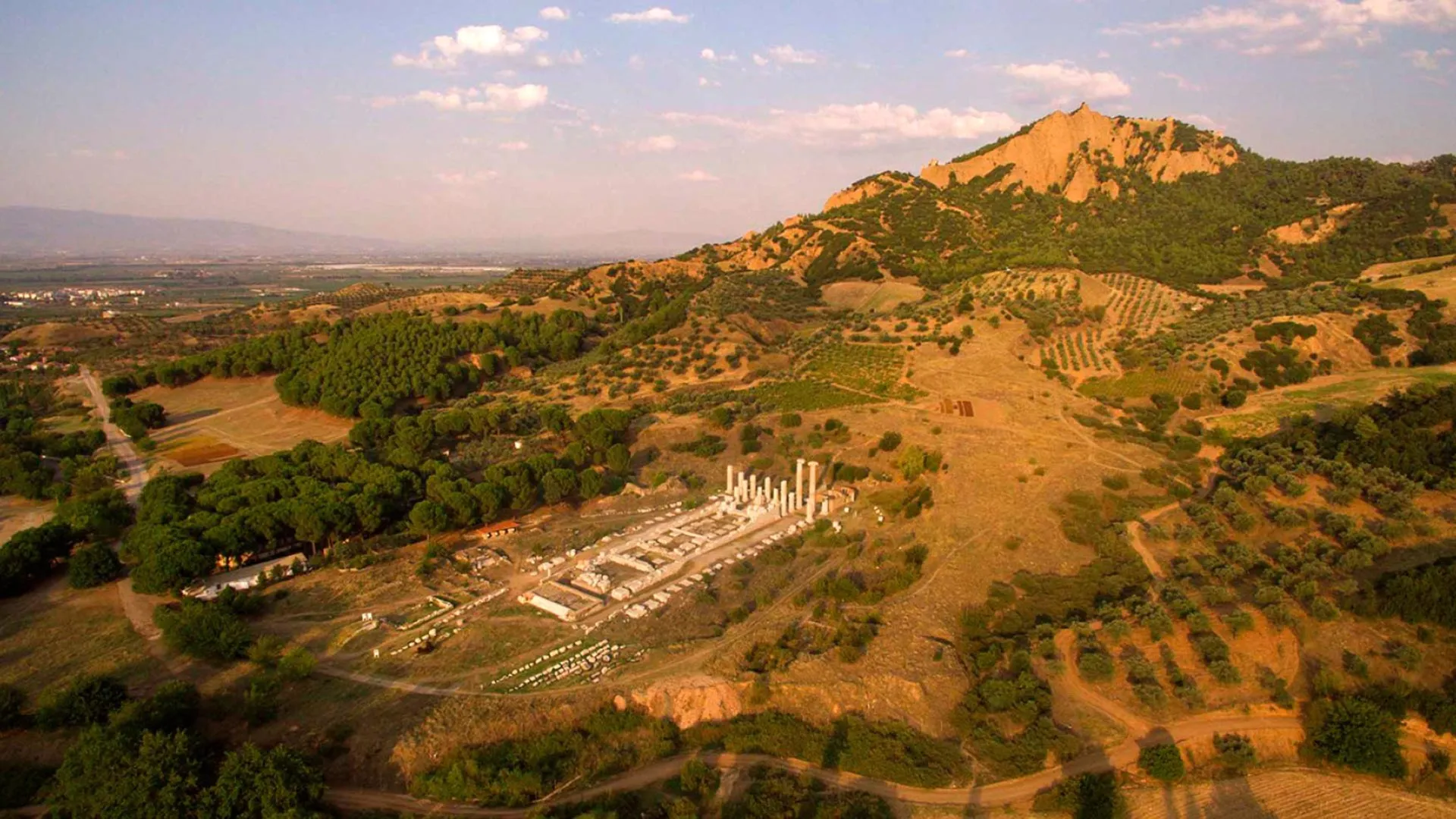
Ancient Sardis Added to UNESCO World Heritage List After Decades of Excavation
05
Heritage
Score 55

Ancient Sardis Added to UNESCO World Heritage List After Decades of Excavation

Sardis, an ancient city in western Turkey excavated continuously since 1958, has been added to the UNESCO World Heritage List. Researchers say the designation recognizes decades of archaeological work while highlighting the need to protect the site from erosion, farming damage and looting.

Read story
Bronze-Casting Mould and Weapons Found at Tatarstan Pyanobor Site
06
Excavations
Score 20

Bronze-Casting Mould and Weapons Found at Tatarstan Pyanobor Site

Excavations at the Kipchak Archaeological Complex in Russia’s Tatarstan have yielded a bronze-casting mould, bronze and iron arrowheads, a spearhead, jewellery and decorated pottery. Kazan Federal University archaeologists say the finds may help investigate the debated origins of the Pyanobor culture.

Read story